Community Trust ScoreLikely Real
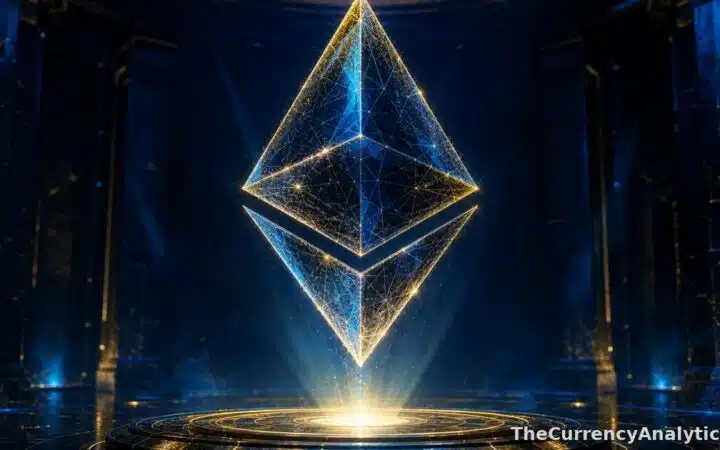
Ronin, the blockchain network built for the popular play-to-earn game Axie Infinity, is preparing for a major transition. By 2026, the project will migrate back to Ethereum as a Layer-2 (L2) scaling solution. This marks a turning point not only for Ronin but also for Ethereum’s growing ecosystem of Layer-2 blockchains.
Originally, Ronin was launched in 2021 as an independent sidechain to handle the massive traffic generated by Axie Infinity. At its peak, the game had millions of active users and required fast, low-cost transactions that Ethereum could not support at the time. Ronin solved this by offering speed and efficiency, but its separation from Ethereum limited its growth potential.
Now, the shift back to Ethereum as an L2 aims to combine Ronin’s gaming-focused infrastructure with the security and liquidity of the Ethereum mainnet.
Why the Transition Matters
The move to Ethereum Layer-2 is significant for several reasons. First, it means Ronin will inherit Ethereum’s robust security while still keeping transactions fast and affordable. This makes it safer for both players and developers who rely on the network.
Second, it opens the door for better liquidity. Assets built on Ronin will become more easily tradable across Ethereum-based platforms, including decentralized exchanges (DEXs) and other DeFi protocols. This integration can attract more users and developers to Ronin’s ecosystem, beyond just Axie Infinity players.
Finally, the transition positions Ronin as more than a “gaming chain.” By tapping into Ethereum’s network effects, it can expand into other areas of Web3, such as NFTs, social platforms, and decentralized applications.
Lessons from the Past
Ronin’s history also plays an important role in this decision. In 2022, the network suffered one of the largest exploits in crypto history, with over $600 million stolen in a bridge hack. While the funds were later recovered and security measures improved, the incident highlighted the risks of operating an isolated sidechain.
By becoming an Ethereum Layer-2, Ronin reduces the chances of similar vulnerabilities. Ethereum’s ecosystem has matured, with Layer-2 solutions like Arbitrum, Optimism, and zkSync already proving their reliability. Ronin aims to join this growing family while keeping its unique focus on gaming and user experience.
Impact on Axie Infinity
For Axie Infinity, the move could bring fresh momentum. After its explosive rise in 2021, the game’s popularity cooled as market conditions changed. However, Axie Infinity has continued to evolve, introducing new features and gameplay mechanics to keep players engaged.
Migrating to Ethereum Layer-2 may help bring in new players who were previously hesitant about using a sidechain with limited interoperability. It also makes it easier for Axie’s in-game assets, such as NFTs and tokens, to interact with the wider Ethereum ecosystem.
This could spark renewed interest in the game and restore some of the excitement that once made it a Web3 phenomenon.
What It Means for Web3 Gaming
The Ronin migration reflects a larger trend in Web3 gaming. Developers are realizing that building isolated blockchains limits growth. By aligning with Ethereum, Ronin can benefit from shared liquidity, developer tools, and user trust.
At the same time, it demonstrates the growing importance of Layer-2 networks in scaling Ethereum. Gaming, which requires high-speed, low-cost transactions, is a natural use case for L2 solutions. If successful, Ronin’s transition could serve as a model for other gaming blockchains looking to expand.
Looking Ahead
The migration to Ethereum Layer-2 will not happen overnight. It will require careful planning, technical upgrades, and coordination with the community. Still, the announcement signals a clear direction for Ronin’s future.
By 2026, the network aims to position itself as a leader in Web3 gaming and beyond, supported by Ethereum’s strong foundation. For users, this means greater security, more opportunities for asset trading, and the possibility of seeing Ronin expand into new areas of blockchain innovation.
Final Thoughts
Ronin’s decision to return to Ethereum marks a full-circle moment. What started as a solution to Ethereum’s limitations has now come back as a partner in its growth. For Axie Infinity players, developers, and the wider Web3 community, this move could unlock new opportunities and set the stage for the next chapter of blockchain gaming.