Community Trust ScoreVerified
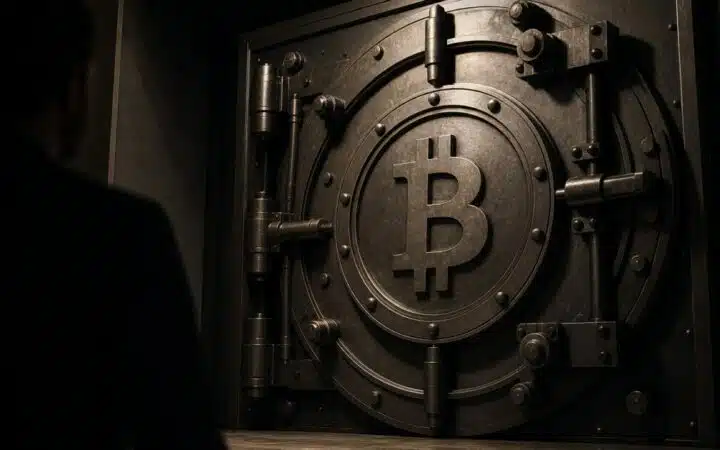
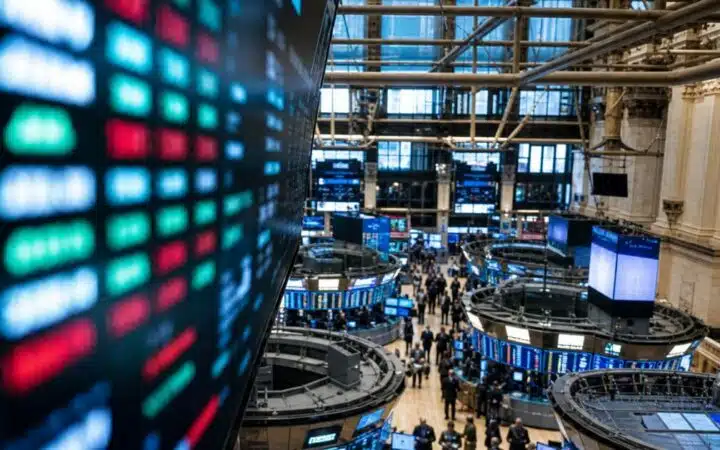
Bitcoin and the broader crypto market have been facing one of the most volatile phases of the year. Prices that were setting new highs only weeks ago are now retesting support levels during a rapid downturn driven by heavy liquidations and falling sentiment. Retail traders, fearful of further losses, have pulled back as volatility continues.
The sharp reversal has led many to believe that the current cycle has ended. But while panic spreads across the market, some industry leaders are firmly resisting the idea that crypto’s long-term outlook has changed.
Charles Hoskinson Believes the Downturn Is Temporary
Cardano founder Charles Hoskinson has taken a noticeably different stance from the majority of traders and analysts reacting to the sell-off. In his latest commentary, he emphasized that the market correction should not be mistaken for structural weakness in crypto itself.
According to Hoskinson, the industry is not breaking down — global economic pressures are overwhelming risk markets, and crypto has simply been pulled into the broader macro turbulence. He believes the downturn is a temporary phase within a long-term upward trend.
Global Economic Turbulence, Not Crypto Fundamentals, Triggered the Correction
Hoskinson points to factors far outside blockchain as the true forces behind the drop. He notes that rising tariffs, unstable monetary policy and fears of recession have shaken traditional markets and bled into crypto. In his view, the sell-off was not driven by individual projects failing or blockchain adoption slowing down, but by macroeconomic stress pushing investors to scale back risk exposure.
In other words, the crash reflects stress in the global financial system — not weakness in Bitcoin or the industry’s technological foundation.
Hoskinson Still Expects Bitcoin to Reach $250,000
Even as fear dominates discussions around crypto, Hoskinson has not changed his price thesis for Bitcoin. He says the $250,000 target remains firmly on track, and he believes the timeline — by the end of 2026 — is still realistic.
The reason behind his confidence ties directly to institutional participation. Hoskinson argues that the current market cycle is no longer driven by small investors chasing gains. Instead, major financial institutions are shaping the next phase of adoption.
Entities he referenced include:
-
BlackRock
-
Goldman Sachs
-
Morgan Stanley
He believes these firms have fundamentally changed the structure of the market by treating Bitcoin as a strategic long-term asset rather than a trading opportunity.
Institutional Capital Is Now Leading the Market
Hoskinson says Bitcoin’s evolution into an investment class for institutions is one of the strongest structural shifts in the history of crypto. Even though prices remain volatile, he feels the narrative has changed:
-
BTC is treated as long-term infrastructure rather than a speculative gamble
-
Accumulation strategies are more common than short-term trading
-
Institutional inflows signal maturity, not hype
This shift, he argues, gives the current cycle more strength than the euphoric retail-driven bull runs of the past.
Crypto Is Transforming Into Global Infrastructure
While many observers focus solely on price, Hoskinson is more concerned with what is being built behind the scenes. In his view, crypto is rapidly expanding from a digital-asset marketplace into a foundational technology layer that will support:
-
international payments
-
tokenized financial products
-
artificial intelligence applications
-
medical data systems
-
supply-chain management
He predicts that thousands of new blockchain-based systems will emerge while thousands of weaker networks will disappear in the coming years — a natural consolidation phase as stronger platforms scale and weaker ones fail to remain competitive.
Stability Through Periods of Global Instability
A key part of Hoskinson’s long-term vision is the belief that blockchain technology will remain functional regardless of geopolitical conflict or regulatory disputes. He views decentralization as a tool that enables businesses and individuals to collaborate even when global systems are disrupted by political tension or inflation.
Crypto, in that sense, becomes a safety net — technology that continues working under pressure when traditional infrastructure struggles.
The Current Crash Could Shape a Stronger Industry
Hoskinson’s message contrasts sharply with the market’s emotional response. While short-term traders fear deeper declines, he believes that the crash will filter out speculative projects and strengthen the foundations of the industry.
In his view, the next phase of crypto will:
-
reward networks that deliver real-world utility
-
expand institutional capital participation
-
integrate blockchain into global business infrastructure
Although the downturn has rattled sentiment, Hoskinson maintains that long-term winners will emerge stronger on the other side of this cycle.
Conclusion
Bitcoin’s price decline has shaken the crypto market, but Charles Hoskinson insists the downturn is temporary and driven by global macro pressure rather than blockchain failure. He continues to project a long-term target of $250,000 by the end of 2026, supported by institutional adoption and the rapid transition of crypto into global infrastructure.
For Hoskinson, the volatility does not signal the end of the cycle — it signals a phase of reshaping, consolidation and maturation that will define which networks are truly built for the future.