Community Trust ScoreVerified
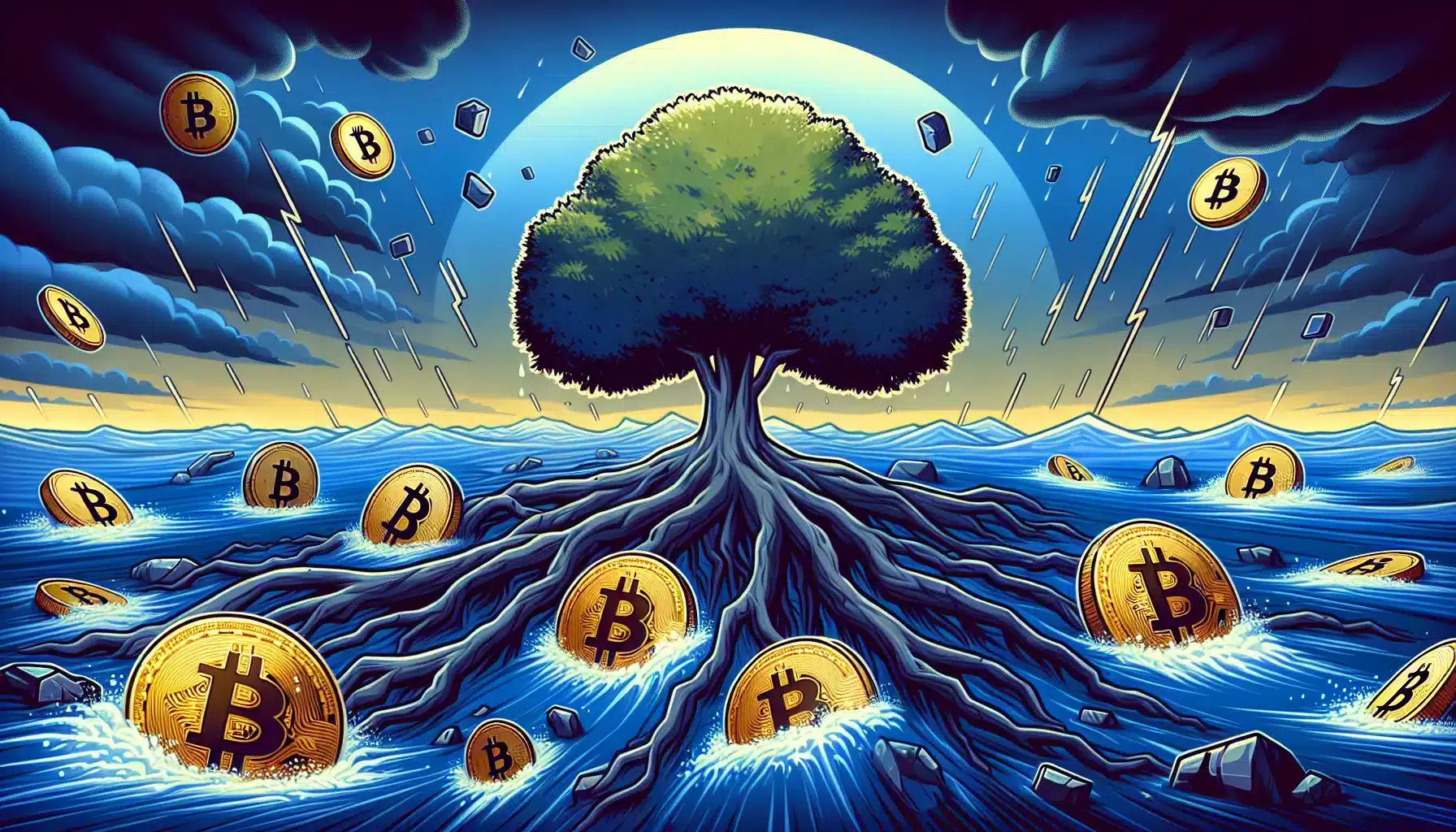
On October 13, Bitcoin experienced a sharp decline in price, dropping by 8% in a single day. This significant fall was primarily driven by a wave of liquidations in leveraged positions, yet the market’s underlying belief in Bitcoin’s value remained largely intact. This disconnect between price movement and investor confidence highlights an important aspect of Bitcoin’s evolution as a mature asset in the financial landscape.
While the price slump may initially seem alarming, it is crucial to recognize the broader context of cryptocurrency markets. Unlike traditional financial markets, cryptocurrencies are characterized by high volatility and rapid price swings. This environment is further amplified by the prevalence of leveraged trading, where investors borrow funds to increase their exposure to potential profits—or losses. Consequently, even small price movements can trigger substantial liquidations, as was the case with Bitcoin’s recent dip.
Interestingly, despite the price drop, on-chain data and sentiment analysis indicate that long-term holders and institutional investors remain bullish on Bitcoin. The volume of Bitcoin being moved off exchanges to private wallets suggests that many investors are seizing the opportunity to accumulate more Bitcoin at lower prices. This behavior underscores a growing trend among serious investors to view Bitcoin not merely as a speculative asset, but as a long-term store of value akin to digital gold.
Historically, Bitcoin has gone through several similar cycles of boom and bust. During these periods, significant price corrections have often been followed by sustained growth, driven by increasing adoption and institutional interest. For example, in 2017, Bitcoin saw a meteoric rise followed by a dramatic crash, but by 2020, it had not only recovered but also reached new all-time highs, fueled by the entry of major financial institutions and the perception of Bitcoin as a hedge against inflation.
One of the reasons for Bitcoin’s durability through such volatility is its decentralized nature, which makes it resilient to political and economic pressures that affect traditional currencies. Additionally, the fixed supply of Bitcoin, capped at 21 million coins, creates a scarcity that supports its value over time. This structural characteristic has led many to compare Bitcoin to precious metals like gold, which have historically been used as hedges against inflation and currency devaluation.
Despite the positive outlook among long-term holders, there are still risks associated with Bitcoin’s market dynamics. The extensive use of leverage in cryptocurrency trading can lead to cascading effects during market corrections, as was evident in the recent price drop. When leveraged positions are liquidated, they can exacerbate price declines, leading to further liquidations and a downward spiral. This inherent risk in leveraged trading underscores the importance of prudent risk management for investors in the cryptocurrency space.
Moreover, regulatory developments continue to pose a potential challenge to Bitcoin’s adoption and price stability. Around the world, governments are still grappling with how to regulate the burgeoning cryptocurrency market. While some countries have embraced cryptocurrencies and blockchain technology, others remain cautious or even hostile, citing concerns over financial stability and illicit activities. Regulatory crackdowns or unfavorable policies could impact market sentiment and lead to increased volatility in the short term.
In addition to regulatory uncertainties, technological advancements and competitive pressures also play a role in shaping Bitcoin’s future. The cryptocurrency landscape is continuously evolving, with new projects and innovations emerging that could potentially disrupt Bitcoin’s dominance. While Bitcoin enjoys the first-mover advantage and a strong network effect, it must continue to adapt to remain relevant in a rapidly changing environment.
Despite these challenges, Bitcoin’s core community and development ecosystem remain active and robust. Ongoing efforts to improve scalability and transaction efficiency through upgrades like the Lightning Network demonstrate the commitment to enhancing Bitcoin’s utility as a medium of exchange, not just a store of value.
As Bitcoin continues to mature, its role in the global financial system is becoming more pronounced. Investors and institutions are increasingly recognizing its potential as a portfolio diversifier and a hedge against traditional market risks. This shift in perception is reflected in the growing number of financial products and services designed to facilitate Bitcoin investment and integration into existing financial frameworks.
In conclusion, Bitcoin’s recent price drop should not be viewed in isolation but rather as part of its ongoing development as a financial asset. The resilience shown by long-term holders and institutional investors amidst volatility suggests a deepening confidence in Bitcoin’s future prospects. However, investors must remain vigilant, considering the inherent risks of leverage, regulatory changes, and technological competition. As Bitcoin continues to navigate these challenges, its journey from a niche digital currency to a mainstream asset will be a testament to its adaptability and enduring appeal.