Community Trust ScoreVerified
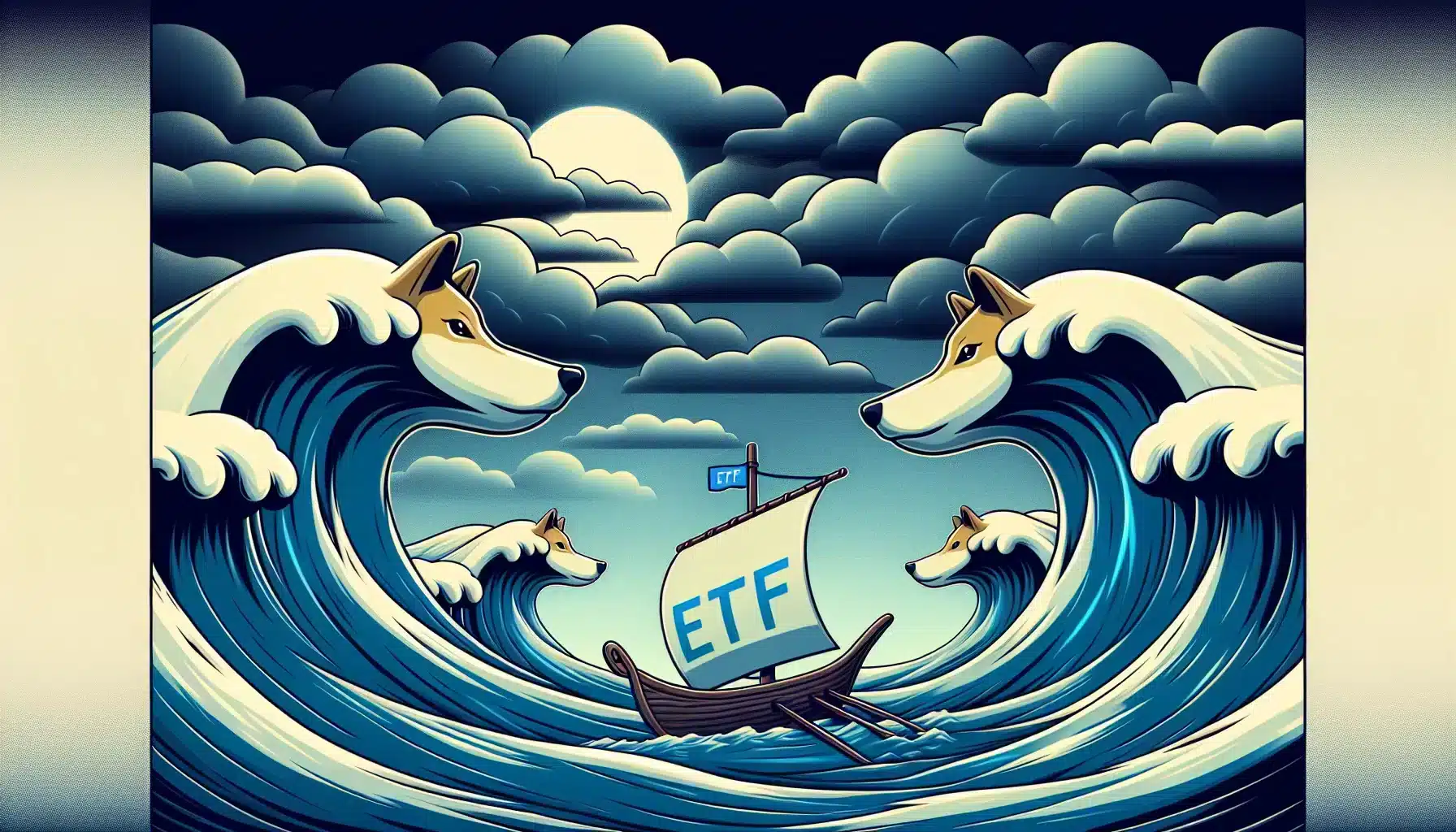
In an unexpected twist for the cryptocurrency world, a new exchange-traded fund (ETF) focused on Dogecoin has been launched, even as the digital currency experiences one of its most challenging quarters with $7 billion in outflows. The timing raises questions about investor sentiment and the future of this popular meme coin.
The GDOG ETF made its debut during a period when Dogecoin is grappling with significant declines, stoking concerns about whether the fund can attract substantial institutional interest. The fund aims to offer investors an accessible way to gain exposure to Dogecoin without having to directly purchase the cryptocurrency itself. This move could potentially stabilize the market by bringing a layer of legitimacy and broadening its investor base.
Despite its recent struggles, Dogecoin has been a significant player in the cryptocurrency market, capturing widespread attention with its viral appeal and endorsement from high-profile figures such as Elon Musk. Historically, Dogecoin has been known for its strong community and meme-driven culture, which have helped it weather previous downturns. However, the current scenario has seen trading volumes drop, and investor enthusiasm seems subdued compared to its peak periods.
The introduction of the DOGE-focused ETF could serve as a beacon for investors seeking diversified portfolios amidst the often volatile nature of cryptocurrencies. ETFs have a reputation for providing a more secure and regulated avenue for investing, offering benefits such as transparency and liquidity. This could be crucial in attracting institutional investors who may be wary of direct cryptocurrency investments due to regulatory uncertainties and market instability.
However, the timing of the ETF’s launch is questionable. With Dogecoin’s market capitalization significantly dented by recent outflows, the potential for immediate success may be limited. Analysts argue that the performance of the GDOG ETF will heavily depend on the broader market recovery and a resurgence of interest in meme-based cryptocurrencies.
The crypto industry at large has experienced a tumultuous year, with regulatory pressures mounting globally. The United States, in particular, has seen increased scrutiny over digital assets, with the Securities and Exchange Commission (SEC) tightening regulations to foster greater oversight and consumer protection. These regulatory movements can pose risks to the successful adoption of new crypto-focused financial products like the GDOG ETF.
Moreover, the broader cryptocurrency market is in a phase of maturation, characterized by increased competition and the emergence of new technologies such as blockchain 2.0 and decentralized finance (DeFi). These innovations are capturing investor attention, potentially diverting interest away from older, more established cryptocurrencies like Dogecoin.
Despite these challenges, some optimists view the ETF launch as a strategic move that could eventually lead to a rejuvenation of Dogecoin’s market presence. They argue that institutional endorsement through ETFs could rekindle retail investor interest, potentially reversing the current bearish trend.
Historically, ETFs have played a pivotal role in expanding access to various asset classes, including commodities and emerging markets. The successful adoption of cryptocurrency ETFs could mirror this trend, further integrating digital assets into mainstream financial portfolios. However, this integration is not without risks. Market volatility remains a significant concern, and sudden shifts in regulatory policies could impact the perceived safety of these investments.
Comparatively, traditional financial markets have long been familiar with the ups and downs of ETFs, but the nascent state of cryptocurrency markets means that expectations and outcomes are still highly unpredictable. Investors need to remain vigilant and informed about the unique dynamics that govern digital currencies, which often defy conventional market logic.
Globally, the digital asset market is vast, with a market cap that fluctuates in the trillions. This dynamic environment provides both opportunities and challenges for new financial instruments like the GDOG ETF. While some regions, such as Europe and Canada, have embraced crypto ETFs with successful launches, the U.S. remains more cautious, as regulatory frameworks continue to evolve.
Furthermore, the role of social media in influencing Dogecoin’s price cannot be understated. Often, tweets from influential personalities have caused sudden spikes or drops in its value, which could impact the stability and attractiveness of the GDOG ETF. Investors must consider the speculative nature of Dogecoin, which is largely driven by market sentiment and social media trends, rather than fundamental technological advancements or utility.
In conclusion, the launch of the DOGE ETF during a downturn for Dogecoin highlights both the potential and pitfalls of bringing a meme-based cryptocurrency into mainstream investment channels. While it offers a pathway for institutional involvement and could stabilize some market fluctuations, investors must approach with caution given the current regulatory landscape and the coin’s reliance on community-driven value. As the financial world continues to adapt to the rise of digital currencies, the outcome of this ETF will serve as an important barometer for the future integration of cryptocurrencies into traditional investment frameworks.