Community Trust ScoreVerified
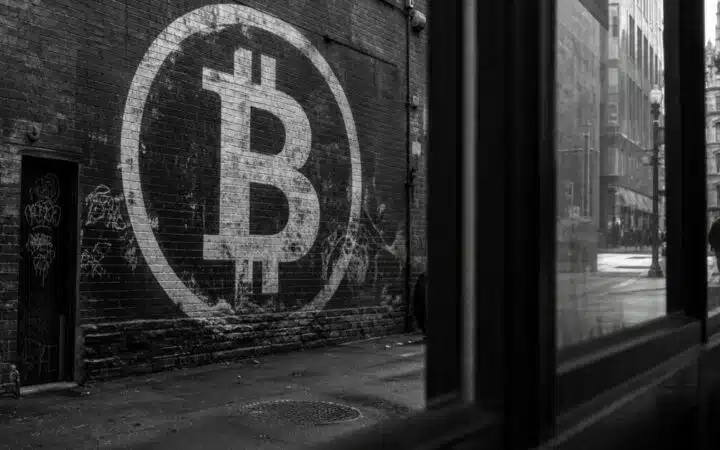
In a landmark move that continues to captivate global attention, El Salvador, under the leadership of President Nayib Bukele, embarked on an unprecedented financial path by adopting Bitcoin as legal tender. This bold decision, aimed at steering the country towards financial freedom, has garnered both applause and skepticism on the international stage.
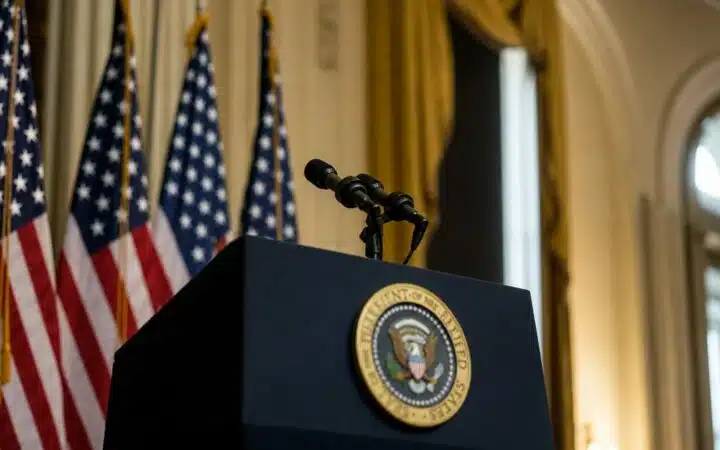
President Nayib Bukele’s resolute stance on embracing cryptocurrency has stirred discussions worldwide. Despite facing opposition from prominent financial entities such as the IMF, Bukele remains unwavering in his pursuit of a transformative economic landscape through crypto integration.
While hailed for his robust efforts in combating long-standing issues, including gang violence in El Salvador, Bukele has encountered criticism on the global front. Accusations of consolidating power and human rights concerns have shadowed his administration, yet his commitment to reshaping the country’s financial destiny remains steadfast.
The recent surge in Bitcoin’s value has placed President Bukele in a favorable economic position. Addressing naysayers, Bukele proudly announced on social media, “El Salvador’s Bitcoin investments are thriving! Despite countless articles projecting losses, our holdings have surged due to Bitcoin’s current market value.”
At present, Bitcoin trades at a valuation of $43,234.17, signaling an encouraging trajectory in the cryptocurrency market. El Salvador’s prudent investment of 2,765 bitcoins equates to approximately $119,420,073 million, exceeding the initial $120 million expenditure on Bitcoin procurement. It’s important to note that this investment represents only a fraction of the government’s expenditures directed towards promoting Bitcoin as legal tender alongside the US dollar.
El Salvador’s endeavor to embrace Bitcoin as a parallel currency alongside the US dollar has sparked discussions regarding the nation’s financial autonomy. The decision has not been without challenges, as international entities caution against potential risks associated with crypto adoption. However, Bukele’s unwavering commitment to this vision underscores the government’s determination to explore uncharted financial territories.
As El Salvador continues this pioneering journey in the digital currency landscape, the world remains intrigued, observing whether Bukele’s bold gamble will lead the nation towards genuine financial independence or confront unforeseen hurdles along the way.
In a historic stride towards financial sovereignty, El Salvador, under President Nayib Bukele’s leadership, continues to forge ahead in the realm of cryptocurrency. In a bold move in 2021, the Central American nation declared Bitcoin as legal tender, initiating a ripple effect of praise and skepticism across the global financial landscape.
At present, Bitcoin (BTC) holds a trading value of $43,234.17, with a market capitalization of $844 billion, asserting a dominant 51.13% share. This groundbreaking decision by Bukele’s administration has sparked debates, with the International Monetary Fund (IMF) among those expressing caution against such a pivotal shift in the country’s economic trajectory.
The nation’s investment in Bitcoin, currently amounting to 2,765 bitcoins, reflects a valuation of $119,420,073 million at the latest market price. Notably, El Salvador’s initial expenditure of $120 million on Bitcoin underscores the government’s commitment to promoting cryptocurrency alongside the US dollar, the primary currency in the nation.
President Bukele, amidst international criticism and domestic challenges, remains steadfast in his vision for El Salvador’s economic metamorphosis. However, his tenure has not been devoid of controversy, with concerns raised regarding the consolidation of power and alleged human rights violations, despite his popularity for combatting long-standing gang-related issues within the country.
The evolving narrative surrounding El Salvador’s embrace of Bitcoin underscores a pivotal moment in global financial history. The nation’s resilience in the face of skepticism and its determination to redefine traditional economic paradigms sets a precedent for other nations contemplating digital currency integration.
In conclusion, El Salvador’s pursuit of economic transformation through Bitcoin adoption marks a defining chapter in the country’s history. President Nayib Bukele’s unwavering commitment to this revolutionary path signifies an intriguing intersection of innovation, finance, and national sovereignty amidst a landscape of international scrutiny.