Community Trust ScoreVerified
In a bold step toward future-proofing digital assets, BMIC.ai is crafting a comprehensive ecosystem designed to integrate artificial intelligence, blockchain technology, and quantum computing. This groundbreaking initiative, announced on November 22, 2025, aims to not only secure but also optimize asset management in a rapidly evolving landscape.
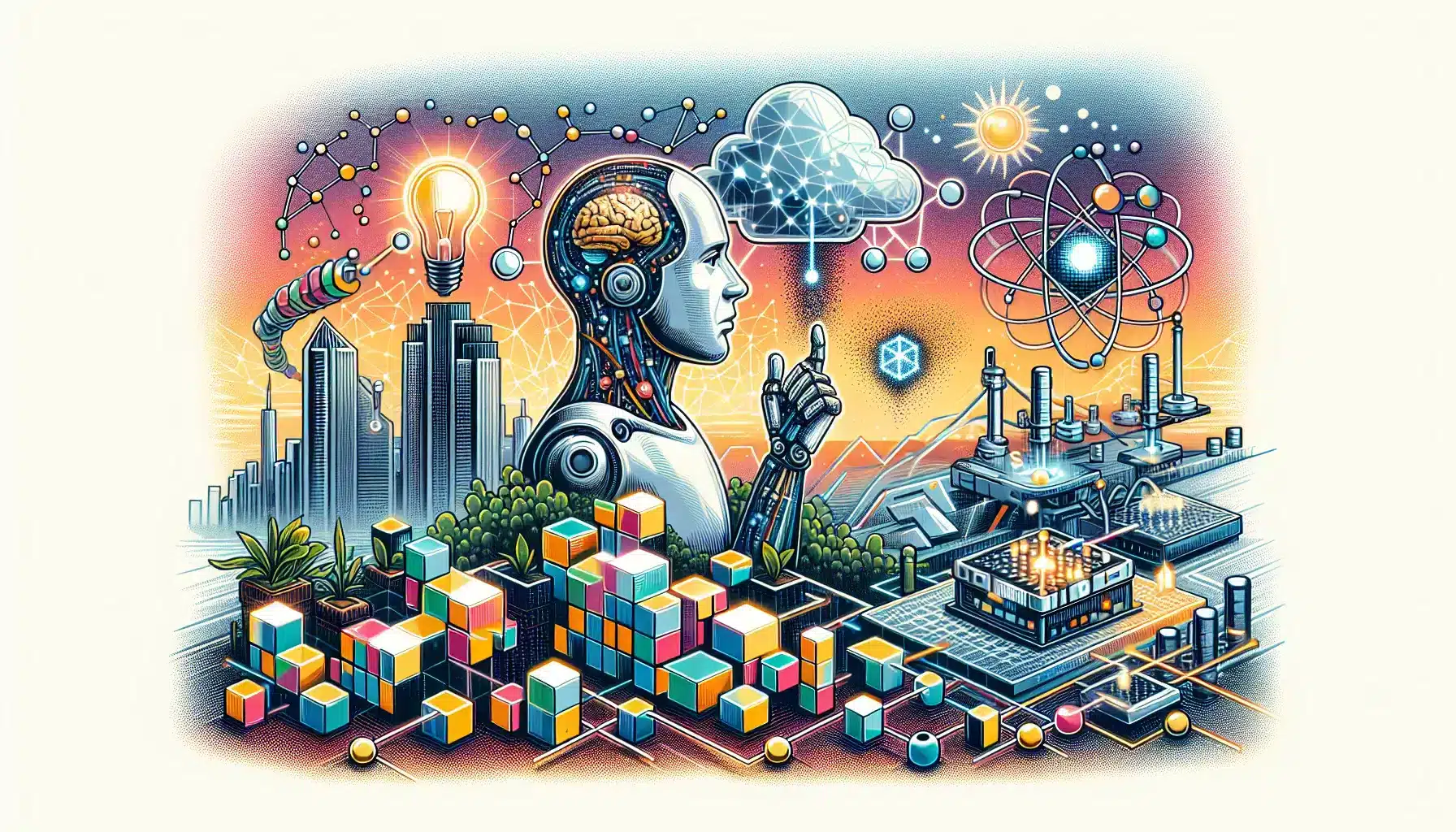
At its core, BMIC.ai is constructing an end-to-end platform that leverages cutting-edge technologies to enhance the security of digital assets. The fusion of AI, blockchain, and quantum computing within their ecosystem represents a seismic shift in how these technologies can be harnessed to address some of the digital world’s most pressing challenges. By interweaving these advanced fields, BMIC.ai aims to create an unparalleled environment for asset protection, transaction transparency, and computational efficiency.
The integration of blockchain technology is pivotal in providing an immutable and transparent framework for transactions. Blockchain’s decentralized nature ensures that asset transfers and transactions are recorded without the need for a central authority, thus safeguarding against fraud and hacking. This transparency is further enhanced through the application of AI, which can analyze vast amounts of data to detect anomalies and potential security threats in real-time, offering a proactive approach to digital asset protection.
Quantum computing, often regarded as the next frontier in computational power, introduces a new layer to this ecosystem. With the capability to process information at unprecedented speeds, quantum computing can solve complex problems that are currently beyond the reach of classical computers. In the context of BMIC.ai, quantum algorithms can optimize blockchain processes, improve encryption methods, and facilitate faster transaction verifications. This not only enhances security but also significantly boosts the efficiency and scalability of operations within the ecosystem.
Historically, the convergence of these technologies marks a unique development in the tech industry. The potential applications extend far beyond asset management; they could revolutionize sectors such as finance, healthcare, and logistics by providing robust solutions to data security issues and operational inefficiencies. For instance, in finance, the combination of AI and quantum computing could lead to more accurate predictive models for market trends, while blockchain ensures transactional integrity.
However, the ambitious nature of BMIC.ai’s project is not without its challenges and criticisms. One concern is the current infancy of quantum computing technology. While its potential is vast, the technology is still primarily in the experimental phase, with practical implementation hurdles remaining. The cost and complexity of developing and maintaining quantum systems pose significant barriers to widespread adoption, making it uncertain how soon its benefits can be fully realized within BMIC.ai’s ecosystem.
Moreover, the integration of these advanced technologies introduces complexities in standardization and interoperability. Ensuring that AI, blockchain, and quantum computing systems can seamlessly interact requires significant effort in creating unified protocols and standards. Without these, the risk of fragmentation and inefficiencies could hinder the ecosystem’s performance.
Additionally, as these technologies advance, regulatory frameworks may struggle to keep pace. Governments and regulatory bodies worldwide are still grappling with establishing effective oversight measures for blockchain and AI, let alone quantum computing. This regulatory lag could pose risks in terms of compliance and governance for entities like BMIC.ai operating at the forefront of technological innovation.
Despite these risks, the potential rewards of BMIC.ai’s approach are substantial. The initiative underscores a growing trend toward multi-disciplinary integration in technology, setting a precedent for future developments. By combining AI’s analytical prowess, blockchain’s security, and quantum computing’s processing power, BMIC.ai is not only addressing current digital asset management challenges but also paving the way for new opportunities in technological convergence.
In a global market yearning for secure, efficient, and transparent digital systems, the efforts of BMIC.ai resonate with broader industry aspirations. The burgeoning market for blockchain technology alone is projected to reach over $39 billion by 2025, highlighting the economic potential for companies at the cutting edge of these developments. Similarly, AI continues to see exponential growth, with its market size expected to surpass $190 billion by the same year. These figures underscore the financial viability and transformative power of BMIC.ai’s integrated ecosystem.
The success of such ambitious projects will heavily depend on collaborative efforts across industries, academic institutions, and policymakers to overcome existing challenges. Investment in research, development, and infrastructure will be crucial to unlock the full potential of AI, blockchain, and quantum computing. As these fields evolve, they may redefine the boundaries of what is possible within the digital landscape.
In conclusion, BMIC.ai’s initiative represents a pioneering leap into the future of asset management and digital security. While the path forward is fraught with technological and regulatory challenges, the promise of an integrated ecosystem that offers enhanced security, efficiency, and scalability is a compelling vision for the digital age. As the world stands on the brink of a new technological era, BMIC.ai’s efforts could serve as a catalyst for broader adoption and innovation across numerous sectors.