Community Trust ScoreVerified
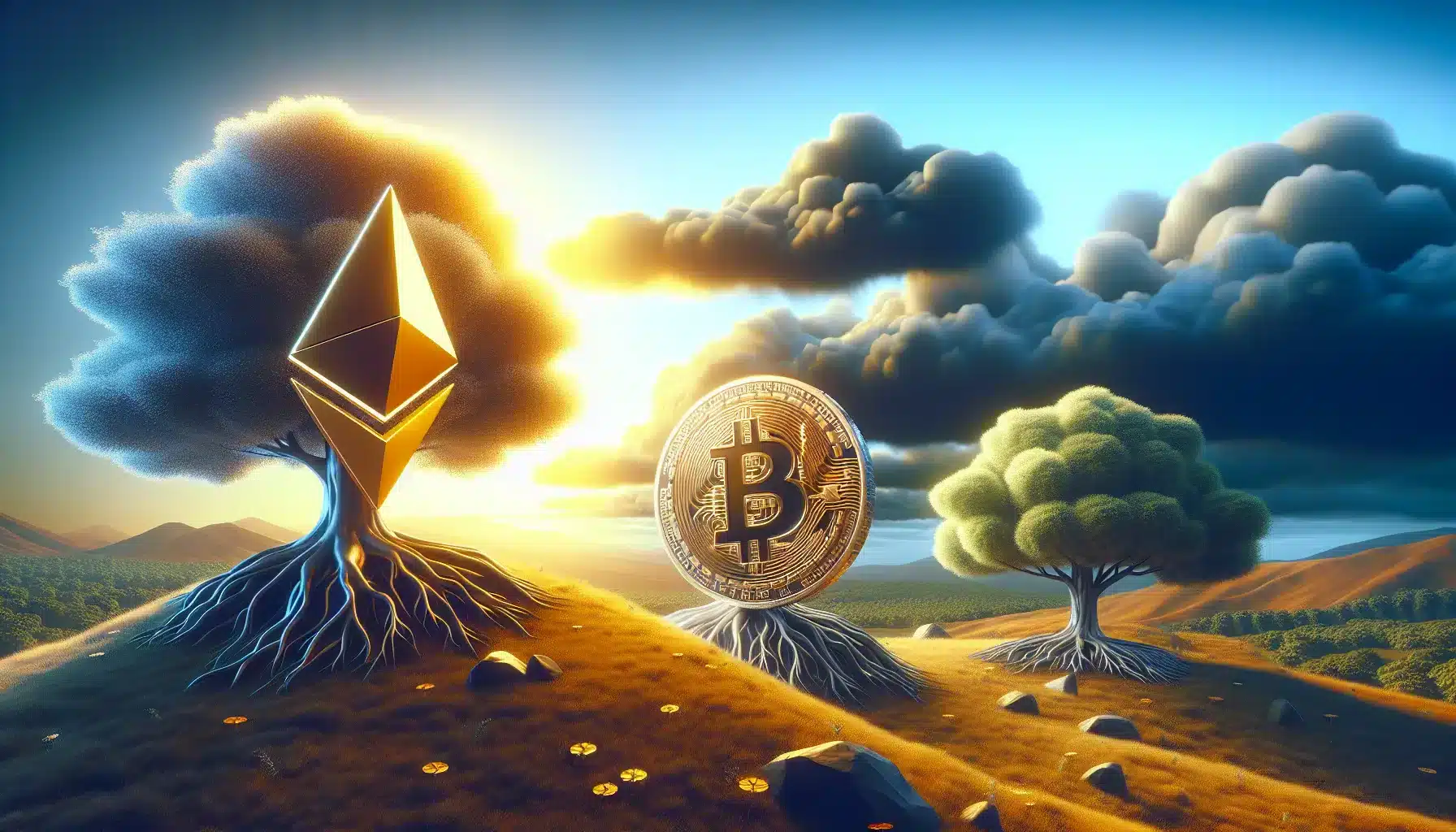
In the final quarter of 2025, Ethereum may be poised for growth, driven by unique market dynamics while Bitcoin faces mounting pressure. Currently, Bitcoin’s increasing risk of investor capitulation could inadvertently benefit Ethereum, offering it a unique opportunity to capitalize on market shifts.
Ethereum has seen a notable uptick in activity among short-term holders (STHs), suggesting a renewed interest in the cryptocurrency. This demographic’s activity is often a harbinger of price movements, signaling potential increases in demand for ETH. Historically, surges in STH activity have been linked to significant price upticks, as these investors are often more agile and responsive to market changes.
Meanwhile, Bitcoin’s market dominance has shown signs of weakening. Various market indicators suggest that Bitcoin holders are increasingly cautious, with some opting to liquidate their positions in light of recent volatility. This sell-off could trigger a capital reallocation to Ethereum, as investors seek assets with promising short-term potential.
Adding to Ethereum’s momentum, the upcoming Shanghai upgrade is generating buzz among developers and investors alike. This significant network improvement aims to enhance scalability and efficiency, potentially attracting more applications and users to the Ethereum ecosystem. Historically, major upgrades have often led to increased investor confidence and higher valuations.
Beyond these developments, Ethereum’s recent efforts to transition to a proof-of-stake (PoS) model have garnered attention. This shift could significantly reduce energy consumption, a critical factor in attracting environmentally-conscious investors and differentiating Ethereum from Bitcoin, which continues to face criticism for its energy-intensive proof-of-work model. The move to PoS not only enhances Ethereum’s sustainability credentials but may also streamline network operations and reduce costs.
As of November 2025, Ethereum’s market capitalization stands robustly, reinforcing its position as the second-largest cryptocurrency. Its adoption rate continues to grow, spurred by its wide range of applications in decentralized finance (DeFi), non-fungible tokens (NFTs), and smart contracts. The Ethereum network supports a broad array of projects, making it a versatile platform for innovation and development.
The global blockchain market is expected to reach unprecedented heights, with predictions suggesting a valuation of over $163 billion by 2029. Ethereum’s established infrastructure positions it to capture a significant share of this expanding market. With increasing institutional interest in blockchain technology, Ethereum’s role as a foundational layer for decentralized applications could further solidify its standing.
However, risks remain. The cryptocurrency market is notoriously volatile, and Ethereum is not immune to sudden downturns. Regulatory scrutiny continues to be a significant concern, as governments worldwide grapple with establishing frameworks for digital assets. Any adverse regulatory developments could impact Ethereum’s price and adoption negatively.
Moreover, the competition is fierce, with new blockchain platforms emerging and vying for market share. These platforms often promise enhanced features or lower transaction costs, presenting a potential threat to Ethereum’s dominance. Ethereum’s ability to maintain its competitive edge will depend on its adaptability and the successful implementation of technological upgrades.
Investors should also consider macroeconomic factors that could influence the cryptocurrency landscape. Global economic uncertainties, such as inflationary pressures or geopolitical tensions, might sway investor sentiment, impacting all digital assets, including Ethereum. Additionally, the correlation between traditional financial markets and cryptocurrencies is an evolving dynamic that could shape future trends.
Despite the challenges, Ethereum’s long-term outlook remains optimistic. As it continues to evolve and address current limitations, its potential to reshape various industries through smart contracts and decentralized applications is immense. The network’s ongoing developments and strategic upgrades could unlock new opportunities for growth and adoption.
In conclusion, while Bitcoin navigates through turbulent waters, Ethereum appears well-positioned to capitalize on current market dynamics and technological advancements. Its strategic initiatives and robust ecosystem provide a compelling case for investors looking for opportunities in the ever-evolving world of digital assets. As the year draws to a close, Ethereum’s path forward will be closely watched by market participants eager to understand the unfolding narrative of the cryptocurrency market.