Community Trust ScoreVerified
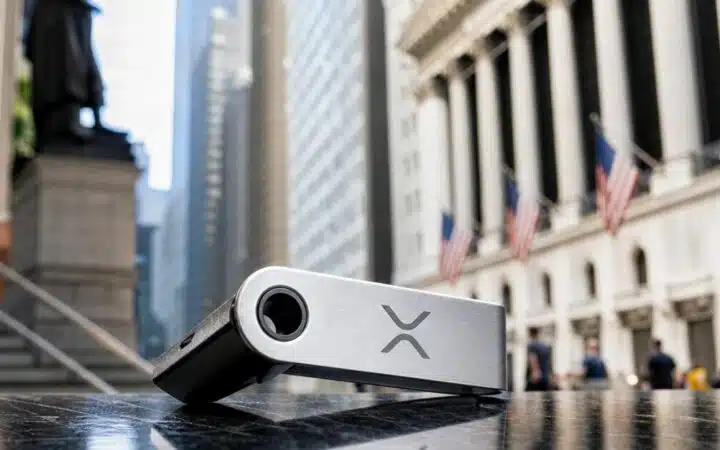
In a significant development for the cryptocurrency market, 21Shares has announced plans to launch a new spot XRP exchange-traded fund (ETF) on the Cboe BZX exchange under the ticker symbol ‘TOXR’. This move marks a growing institutional interest in cryptocurrency investment products, particularly for XRP, even as retail enthusiasm appears to be waning.
The planned launch of the TOXR fund highlights a strategic shift where institutional investors are increasingly seeking exposure to digital assets through more secure and regulated channels like ETFs. This trend has been gaining momentum as traditional financial institutions recognize the potential of cryptocurrencies to diversify portfolios and hedge against market volatility. In contrast, retail investors, who were once the lifeblood of the crypto sector, seem to be withdrawing due to fluctuating market confidence and regulatory uncertainties.
The proposed ETF, which will be available for trading on the Cboe BZX exchange, represents a significant endorsement of XRP, a digital asset that has faced its fair share of challenges. XRP’s legal battle with the U.S. Securities and Exchange Commission, which accused Ripple Labs of conducting unregistered securities offerings, had cast a shadow over its future. However, recent legal victories for Ripple have rejuvenated interest in XRP, making it an attractive option for institutional investors looking for promising opportunities in the crypto space.
The appeal of ETFs lies in their ability to offer exposure to digital assets without the complexity of direct ownership. They provide a regulated framework that mitigates the risks typically associated with buying and holding cryptocurrencies, such as security breaches and loss of private keys. As a result, ETFs have become a preferred choice for institutional investors who are often more risk-averse and operate under stricter regulatory requirements.
Historically, the acceptance of new investment vehicles has often been a catalyst for broader market adoption. The approval of the first Bitcoin ETF in the U.S. set a precedent, leading to increased legitimacy and an influx of institutional capital into the cryptocurrency market. A similar trajectory could be expected with the introduction of spot XRP ETFs, potentially unlocking new avenues for investment and growth.
However, this shift towards institutional dominance in the crypto landscape could have implications for market dynamics. Institutional investors typically bring substantial capital, which can lead to increased market stability. Yet, their strategic objectives and risk profiles differ significantly from those of retail investors. Whereas retail investors might be driven by the allure of quick profits and speculative trading, institutions often focus on long-term returns and portfolio diversification.
The growing preference for ETFs among institutions also points to an evolving regulatory landscape. Governments and financial watchdogs worldwide are gradually establishing clearer guidelines for cryptocurrency operations, which facilitates institutional participation. For instance, countries like Canada and Brazil have already seen successful launches of cryptocurrency ETFs, setting examples for other nations to follow suit. The U.S., with its cautious but steady approach to crypto regulation, remains a key market to watch as it navigates the complexities of integrating digital assets into the financial mainstream.
Yet, the declining interest from retail investors cannot be overlooked. Several factors contribute to this trend, including heightened volatility, which often leads to significant financial losses for less experienced investors. Additionally, negative press surrounding crypto scams and the collapse of high-profile exchanges has shaken confidence. As retail participation diminishes, the market’s long-standing narrative of democratizing finance may be at risk of losing momentum.
This dichotomy between institutional and retail sentiment is not unique to cryptocurrencies. Traditional financial markets have observed similar patterns, where retail investors often retreat during periods of uncertainty, while institutions capitalize on opportunities for substantial returns. The challenge for the crypto industry is to balance these dynamics and maintain a vibrant ecosystem that caters to both retail and institutional participants.
Despite these challenges, the introduction of spot XRP ETFs could play a significant role in reshaping the market landscape. By providing a bridge between the traditional financial system and the burgeoning world of digital assets, ETFs can foster greater integration and acceptance of cryptocurrencies. Moreover, as institutions increase their exposure to crypto, they may also push for enhanced technological infrastructure and regulatory clarity, ultimately benefiting the entire market.
On the other hand, the rising institutionalization of the crypto market is not without risks. The influence of large institutional players could lead to increased market manipulation and reduced volatility, altering the fundamental characteristics that have attracted many to cryptocurrencies in the first place. Furthermore, as institutions wield greater control, there is a possibility of reduced innovation and a shift towards more conservative investment strategies that may not align with the disruptive ethos of the crypto community.
Overall, the launch of the TOXR ETF is a testament to the growing maturity of the cryptocurrency market. It underscores the transition from a speculative fringe asset class to a more established component of global financial markets. As the industry evolves, it will be crucial to navigate the balance between institutional and retail involvement to ensure a robust and inclusive future for digital assets.