Community Trust ScoreVerified
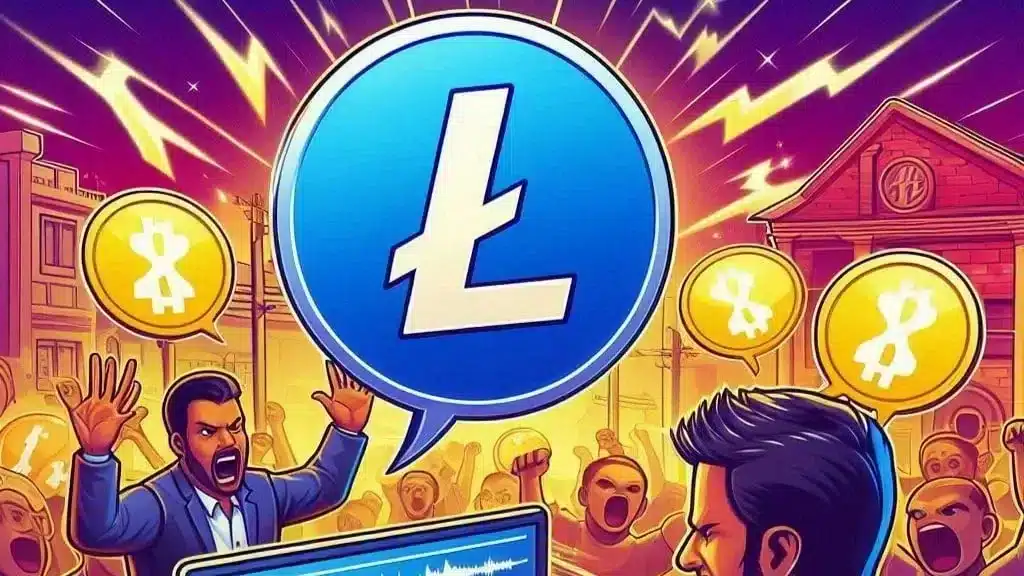
The official Litecoin account stirred significant debate on August 29 after posting a satirical critique of XRP on X (formerly Twitter). The post quickly went viral, drawing thousands of reactions from both the Litecoin and XRP communities, and reigniting long-standing debates about project direction, founder conduct, and the role of cryptocurrencies in traditional finance.
Litecoin’s Post Targets XRP Narrative
The Litecoin account published a lengthy “fun fact” post that mocked XRP’s positioning as a digital bridge for banks. The message compared the smell of comets to what it described as “the idea that XRP tokens would be sold to retail investors with the illusion of representing more value than the money they transfer.” The post also included a tongue-in-cheek nickname for Ripple CEO Brad Garlinghouse.
The post was framed as part of an ongoing series of “roasts” of different blockchain communities, according to later replies from the Litecoin account. “I roast Solana: we laughed. I roast myself: funny, but true. I roast XRP: nonstop criticism for two days,” the account wrote. Eventually, the tone softened with a follow-up message urging readers not to take social media too seriously.
XRP Holders Push Back
The XRP community responded quickly with counterarguments. Many users highlighted the history of Litecoin founder Charlie Lee’s 2017 sale of his LTC holdings. “If your project had lasting value, why sell it all?” one account wrote, resurfacing Lee’s public statement from that period.
Other XRP supporters criticized the Litecoin account for damaging its own brand image. Some contrasted Ripple’s ongoing partnerships with global financial institutions against Litecoin’s reputation as a peer-to-peer payment asset. “While Ripple was meeting with banks and regulators worldwide, Litecoin leadership was focused on merchandise sales,” one user commented.
Market Standing and Community Reactions
Beyond rhetoric, several XRP holders emphasized the market divergence between the two tokens. XRP has maintained higher rankings in terms of market capitalization and adoption metrics, while Litecoin has struggled to keep pace with newer blockchain ecosystems. Some users announced on X that they had sold or swapped their Litecoin holdings in protest, signaling dissatisfaction with the account’s messaging.
Still, others defended Litecoin’s stance, arguing that it reflects the project’s long-standing ethos of decentralization and independence from traditional financial rails. To them, Litecoin’s criticism of XRP was not merely satire but a philosophical statement about differing goals in the crypto sector.
Litecoin’s Position on Crypto Purpose
In replies to community members, the Litecoin account clarified its perspective. It stressed that XRP and Litecoin are fundamentally different projects, built with distinct purposes. While XRP emphasizes partnerships with banks and cross-border settlement systems, Litecoin positions itself as an alternative payment method focused on peer-to-peer electronic cash.
This divergence in philosophy—whether cryptocurrencies should integrate into existing financial systems or remain separate from them—has long been a dividing line in the industry. The viral exchange brought that debate into sharper focus, highlighting how each community views the role of digital assets in the global economy.
Founder Decisions and Trust Issues
The controversy also revived older discussions about founder decisions. Charlie Lee’s decision to sell his Litecoin holdings in 2017 has remained a point of contention, with critics framing it as a lack of confidence in the project. Supporters, however, argue that Lee sold his holdings to avoid conflicts of interest as a prominent community figure.
At the same time, Ripple founders’ ongoing token sales have often been scrutinized by analysts. Reports of millions of XRP sold from founder-associated wallets each month continue to fuel debates about trust, token supply, and long-term value in the XRP ecosystem.
Implications for Both Communities
While the immediate impact of the post was limited to social media debates, the episode reflects broader tensions in the cryptocurrency market. Litecoin’s messaging aligns with its peer-to-peer cash narrative, appealing to users skeptical of bank integration. Conversely, XRP supporters highlight institutional adoption as a pathway to mainstream relevance.
For traders and investors, the clash underscores how narratives and community sentiment can shape perceptions beyond pure technical metrics. The debate also illustrates how official project accounts, through tone and messaging, can influence not only brand reputation but also market behavior.
Conclusion
The Litecoin account’s critique of XRP ignited more than just a temporary online argument—it resurfaced long-standing differences in crypto philosophy, leadership decisions, and adoption strategies. While some users dismissed the post as light-hearted satire, others saw it as a reflection of deeper divides within the digital asset ecosystem.
As both communities continue to advocate for their respective visions of cryptocurrency’s future, this episode highlights the ongoing challenge of balancing humor, criticism, and professionalism in a rapidly evolving market.