Community Trust ScoreVerified
MetaMask, one of the most widely used crypto wallets globally, has taken a major step toward becoming the ultimate multichain wallet. In a move that could redefine how users interact with different blockchain ecosystems, MetaMask has rolled out multichain accounts — enabling a single account to manage both EVM and non-EVM addresses, including Solana and soon, Bitcoin.
This update marks a significant milestone in MetaMask’s evolution from an Ethereum-only wallet to a universal crypto gateway, bridging some of the biggest networks in the industry.
A Shift from Single-Chain to Multichain Management
Before this development, MetaMask users had to create separate accounts for Ethereum Virtual Machine (EVM) compatible chains such as Polygon, Arbitrum, or Avalanche, and for non-EVM chains like Solana. This often led to confusion and extra steps for users managing assets across different ecosystems.
With the new multichain account system, MetaMask now allows one unified account to manage all addresses from multiple blockchains. In simpler terms, users can access Ethereum, layer-2 solutions, Solana, and eventually Bitcoin — all under one wallet interface.
“This means fewer accounts to manage, less switching back and forth, and easier cross-network activities,” MetaMask explained in its official post.
The change comes as part of an automatic update in MetaMask Mobile version 7.57 and Extension version 13.5, meaning users do not need to take any action. The multichain account is now the default structure in the wallet.
How the Multichain Feature Works
The new update uses BIP-44 — a widely adopted derivation path standard that enables wallets to generate multiple addresses from a single recovery phrase. This standardization allows users to access various blockchain networks without needing multiple recovery phrases or seed words.
Existing addresses created before the update remain accessible, ensuring that users won’t lose any of their old accounts or funds. According to MetaMask, EVM and Solana addresses are paired automatically and chronologically.
“If you did create Solana accounts in the past, they’ll be matched up with an EVM address chronologically and auto-adopt the EVM account name,” the wallet provider explained.
If a user has more Solana accounts than EVM ones, MetaMask will generate new EVM addresses automatically to match them, creating a more seamless multichain experience.
However, hardware wallet users will have to wait a bit longer for complete integration, as Solana support for hardware wallets has not yet been activated.
Preparing for Bitcoin Support
Perhaps the most anticipated part of this update is MetaMask’s plan to add native Bitcoin support in upcoming releases. While details are limited, this integration will likely make MetaMask one of the few major wallets capable of handling both Bitcoin’s UTXO-based structure and Ethereum’s account-based model under one recovery phrase.
Such interoperability would give MetaMask a unique edge, appealing to users who hold assets across various chains and prefer a single interface to manage them.
For now, MetaMask has not given a confirmed launch date for Bitcoin support, but developers hinted it is “coming soon” after the Solana rollout stabilizes.
Why This Move Matters
MetaMask’s new multichain approach represents a significant step forward for crypto adoption. The complexity of managing different wallets for various blockchains has long been a barrier for mainstream users. By simplifying this process, MetaMask reduces friction for both beginners and experienced traders.
This update also strengthens MetaMask’s position in a rapidly competitive wallet landscape. Competitors like Phantom and Rabby have gained attention for their multichain capabilities, while wallets such as Trust Wallet already support multiple blockchains. MetaMask’s move ensures it remains at the forefront of user convenience and ecosystem integration.
The Rumors Around the MASK Token
Alongside the multichain update, speculation about MetaMask’s native token — possibly named MASK — has resurfaced. On Monday, a website that appeared to be a claims portal for a potential token airdrop began circulating online, igniting excitement in the crypto community.
Although the site was later revealed to be inactive and redirected visitors to MetaMask’s official homepage, it was enough to fuel ongoing discussions about when the token might actually debut.
Consensys CEO Joe Lubin, whose company incubates MetaMask, recently hinted that the MASK token could arrive “sooner than expected.” In a podcast interview earlier this month, Lubin mentioned that the team was “very actively working” on the token and advised users to pay attention to other developments in the Consensys ecosystem as potential hints toward the launch.
If launched, the MASK token could serve multiple purposes, such as governance, staking, or gas-fee reduction within the MetaMask ecosystem. It might also play a role in rewarding loyal users or providing incentives for decentralized application (dApp) interaction.
What This Means for the Crypto Ecosystem
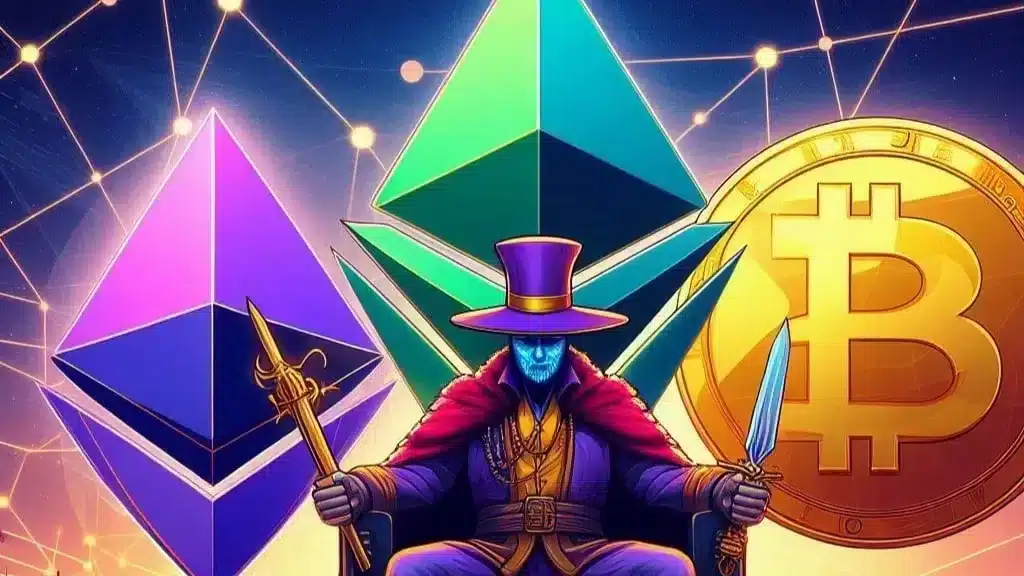
MetaMask’s transition to a multichain model could have wide-reaching implications for how decentralized applications and cross-chain tools are built. With one wallet capable of handling Ethereum, Solana, and Bitcoin, developers might soon find it easier to design interoperable apps that interact with multiple chains simultaneously.
Moreover, as Bitcoin becomes part of MetaMask’s supported networks, users may find new ways to use their BTC in decentralized finance (DeFi) or cross-chain ecosystems, further bridging the gap between the world’s largest blockchain and newer networks.
Conclusion
MetaMask’s multichain upgrade is more than just a technical improvement — it’s a step toward true blockchain interoperability. By integrating Solana and preparing for Bitcoin support, the wallet is evolving into a single point of access for the most important crypto ecosystems.
With billions of dollars in value managed through MetaMask and over 30 million users worldwide, this update could redefine how people interact with decentralized networks. Whether it’s swapping tokens, storing NFTs, or preparing for the next big airdrop, MetaMask users now have one powerful multichain account to do it all.