Community Trust ScoreLikely Real
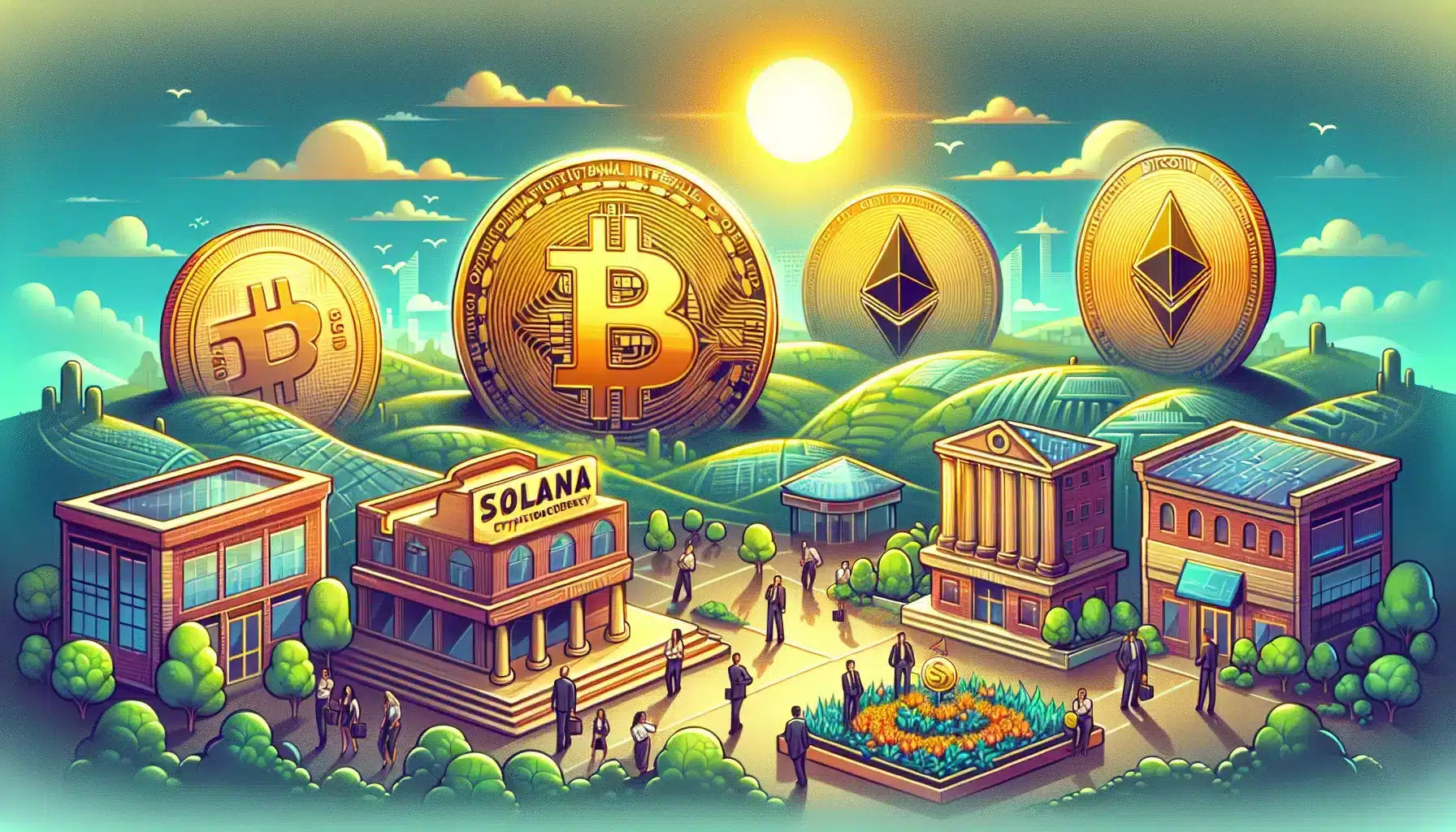
On November 20, 2025, institutional investors have intensified their retreat from Bitcoin and Ethereum, redirecting their focus and capital towards Solana. This shift occurs as Bitcoin and Ethereum face increasing regulatory scrutiny, prompting large-scale investors to reassess their crypto portfolios. Over the past few months, Solana has emerged as a compelling alternative, attracting significant attention due to its advanced technology and robust network.
As institutional interest wanes in Bitcoin and Ethereum, the crypto market is witnessing a diversification in investment strategies. This trend is partly driven by the anticipation of more stringent regulations targeting major cryptocurrencies. Bitcoin, often perceived as a hedge against inflation and economic instability, has faced criticisms around its high energy consumption and scalability issues. Similarly, Ethereum’s transition to a proof-of-stake model has been met with both optimism and skepticism, affecting investor sentiment.
Solana, on the other hand, has positioned itself as a high-performance blockchain, known for its speed and cost-efficiency. With transaction speeds of up to 65,000 transactions per second and negligible costs, Solana presents a scalable solution that appeals to institutional investors seeking efficiency. Its network has also gained popularity among decentralized finance (DeFi) applications and non-fungible token (NFT) marketplaces, further boosting its reputation in the crypto ecosystem.
The appeal of Solana is not solely confined to its technological prowess. The network has demonstrated resilience in maintaining uptime and processing speed, even as it scales. This reliability has attracted investors who prioritize stability and performance. Moreover, Solana’s developer-friendly environment encourages innovation, fostering a vibrant ecosystem of decentralized applications (dApps). The blockchain’s native token, SOL, has seen a substantial increase in value, reflecting the growing confidence among investors.
Historically, the crypto market has experienced cycles of volatility and regulatory challenges. The current shift in institutional focus is reminiscent of past instances where technological innovation and market dynamics prompted investors to explore new avenues. In 2017, for instance, the surge in initial coin offerings (ICOs) led to a temporary diversification away from established cryptocurrencies. Similarly, the present scenario highlights the evolving nature of investor interest and the continual search for promising opportunities within the blockchain sphere.
However, the shift towards Solana is not without its potential risks. Critics point out that the network’s rapid growth could potentially lead to centralization concerns. As the blockchain scales, the concentration of validator nodes might pose a threat to its decentralized ethos. Additionally, the intense competition from other emerging blockchain platforms could challenge Solana’s supremacy in the long term. Rivals such as Cardano and Polkadot are also making strides in enhancing their platforms, aiming to capture a share of the institutional market.
Despite these potential risks, Solana’s strategic partnerships and integrations with prominent platforms provide a cushion against market fluctuations. Collaborations with technology giants and financial institutions enhance Solana’s credibility, reinforcing its position as a viable investment. The blockchain’s interoperability with other networks also adds to its appeal, allowing for seamless cross-platform transactions and applications.
As the global crypto market continues to evolve, the shifting tides of institutional interest underscore the importance of adaptability. Investors are becoming increasingly discerning, evaluating blockchain projects not just on hype, but on tangible performance metrics and long-term viability. The emphasis on scalability, transaction speed, and cost-efficiency aligns with broader trends in technology and finance, where efficiency and innovation drive investment decisions.
Furthermore, Solana’s rise coincides with a broader trend of decentralization in technology and finance. As industries worldwide grapple with the implications of centralization, blockchains like Solana offer a decentralized alternative, empowering users and developers alike. This movement towards decentralization is reshaping traditional financial systems, fostering a more inclusive and accessible financial landscape.
In conclusion, the institutional pivot away from Bitcoin and Ethereum towards Solana marks a significant moment in the crypto market’s evolution. While regulatory pressures and technological advancements drive this transition, the underlying motivation is clear: the search for scalable, efficient, and innovative blockchain solutions. Solana’s ability to deliver on these fronts positions it as a formidable contender, ready to capture the attention and capital of discerning investors. As the crypto landscape continues to shift, the focus will remain on networks that balance innovation with reliability, ultimately shaping the future of digital finance.