Community Trust ScoreVerified
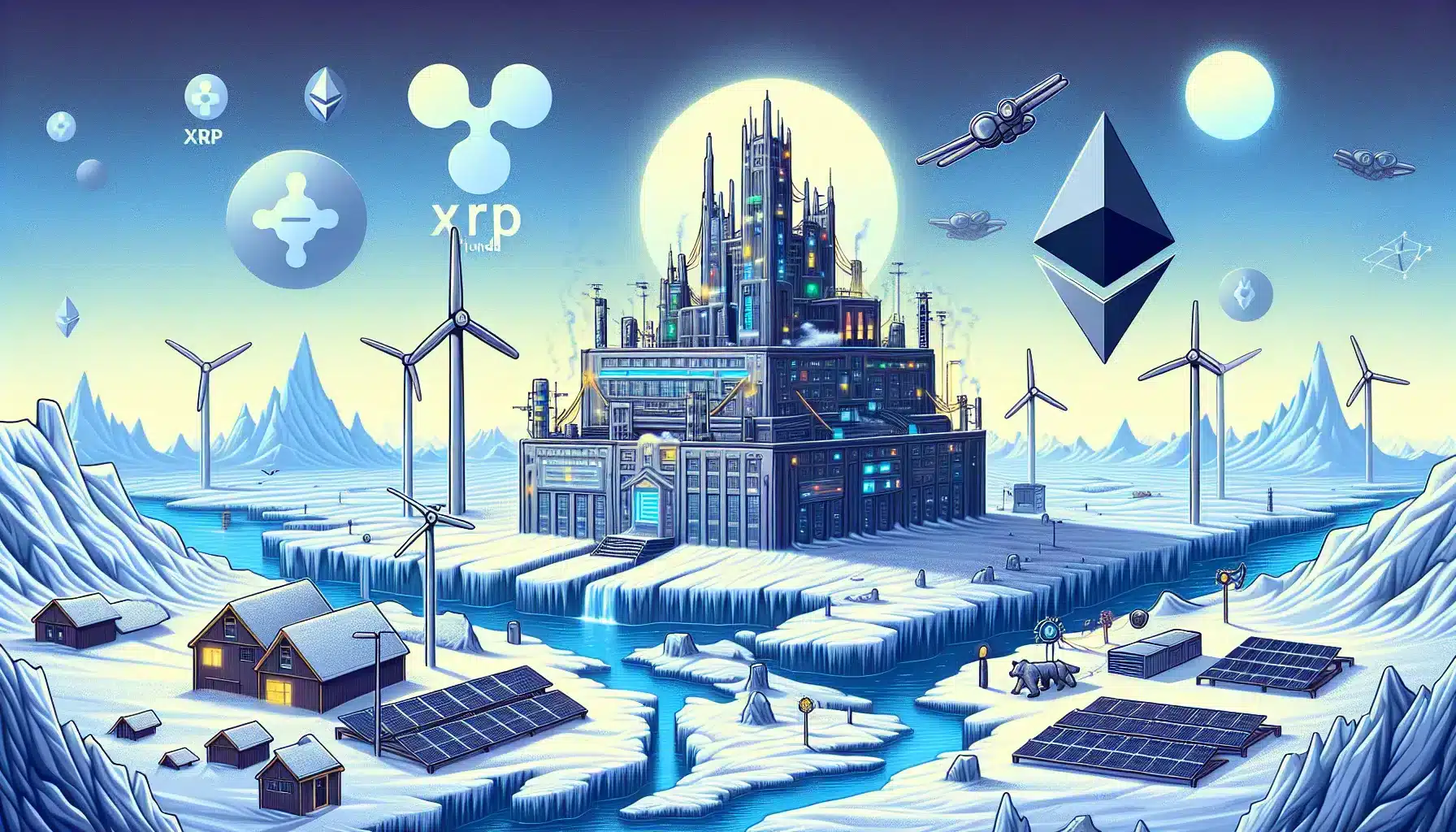
Amid growing disenchantment with Ethereum’s high costs and exclusivity in the world of decentralized finance (DeFi), XRP Tundra is emerging as a promising alternative. Its current presale, now in its eleventh phase, has already attracted significant attention, signaling a shift in investor focus towards more accessible and rewarding ecosystems.
Ethereum, often considered the stalwart of DeFi, has been grappling with its own set of challenges. The network’s high gas fees and the requirement of locking substantial amounts of ETH for staking have created barriers for smaller investors, effectively making participation an exclusive affair for larger players and institutions. Even after Ethereum’s recent staking upgrades, these issues remain unresolved, leading developers to seek alternatives that offer both scalability and inclusivity.
In contrast, XRP Tundra is leveraging its dual-chain system, which operates on both the XRP Ledger and Solana, to provide a more inclusive platform. The project has introduced a new staking mechanism through Cryo Vaults. Unlike Ethereum’s validator-based staking, which requires significant investment and technical resources, Cryo Vaults allow users to lock TUNDRA-S tokens directly on-chain, potentially earning up to 20% annual percentage yield (APY). This system removes the need for hardware and is accessible to even the smallest of holders, ensuring anyone interested can partake in staking without prohibitive costs.
One of the critical advantages of XRP Tundra is its dual-token configuration, consisting of TUNDRA-S and TUNDRA-X. This structure separates utility from governance, thereby enhancing both efficiency and oversight. TUNDRA-S, operating on Solana, is primarily responsible for utility and yield, while TUNDRA-X on the XRP Ledger manages governance and network stability. This bifurcation allows each chain to concentrate on its specialized functions, avoiding the congestion issues that have plagued Ethereum’s single-chain model.
The presale offers TUNDRA-S at a rate of $0.183, with an additional 9% token bonus and a free allocation of TUNDRA-X, valued at $0.0915. This incentivizes early participation by providing both immediate utility and long-term governance benefits, a model that balances scalability with ownership.
Looking forward, XRP Tundra is developing GlacierChain, a Layer-2 network on the XRP Ledger, designed to harmonize Solana’s speed with XRP’s trustworthiness. This forthcoming platform promises to streamline liquidity transfers across blockchains, delivering a seamless and integrated ecosystem where staking rewards and governance functions coexist efficiently. The interoperability showcased in early tests between Solana smart contracts and XRPL hooks underscores the project’s ambition to exceed Ethereum’s throughput while maintaining high security standards.
While proponents of XRP Tundra highlight its potential to disrupt Ethereum’s stronghold on DeFi, some remain cautious. A risk inherent in such rapid innovation is the possibility of technical challenges and security vulnerabilities that may not yet be apparent. Although the project has undergone audits by Cyberscope, SolidProof, and FreshCoins, and its team has completed a public KYC verification through Vital Block, the DeFi space is notoriously unpredictable, and investors should remain vigilant.
Historically, the crypto market has seen projects rise and fall with the tides of technological advancements and market dynamics. For instance, early projects like Bitcoin paved the way for more complex platforms like Ethereum, which now face competition from newer ecosystems with innovative solutions to persistent problems. XRP Tundra’s approach, with its focus on transparency, verified security, and accessible participation, seeks to capture the next wave of crypto enthusiasm.
The ongoing presale has already raised over $2.5 million, reflecting strong interest from the crypto community. This surge is particularly notable among XRP and Solana supporters who are eager to engage with a platform that prioritizes speed, transparency, and genuine staking rewards. As Ethereum’s model continues to price out smaller investors, XRP Tundra’s more inclusive strategy is proving attractive to those seeking to capitalize on the next potential growth cycle in decentralized finance.
However, it is crucial for potential investors to conduct thorough due diligence. The volatile nature of cryptocurrencies and the experimental status of many DeFi projects necessitate careful consideration and risk management. While XRP Tundra presents a compelling alternative with its innovative dual-chain architecture and staking model, the final decision to invest should be made after evaluating all available information and possible risks.
In conclusion, XRP Tundra represents a bold step in the evolution of decentralized ecosystems, challenging established norms and offering new possibilities for investors disenfranchised by Ethereum’s current limitations. As the project continues to develop and expand its capabilities, it remains to be seen whether it will fulfill its promise and potentially redefine the landscape of decentralized finance.