Community Trust ScoreVerified
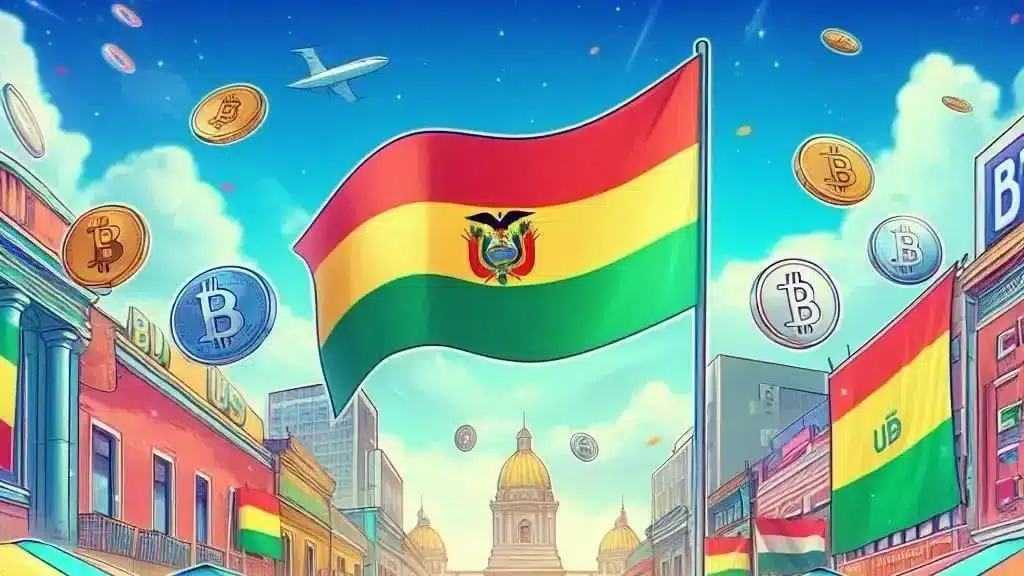
Bolivia has taken a major step toward integrating digital assets into its financial system by allowing banks to offer stablecoin-related services, including custody, savings accounts, and payment options tied to assets such as USDT. The move marks a significant policy shift in a country where demand for dollar-pegged digital currencies has surged due to economic pressure and limited access to physical US dollars.
Authorities say the new framework aims to support safer and more regulated use of stablecoins, which have become increasingly popular among citizens seeking stability in their daily transactions and long-term savings.
Stablecoins Enter Bolivia’s Formal Banking System
According to government statements and local reports, the approval allows licensed financial institutions to offer crypto-linked products centered primarily on USDT. The announcement was confirmed by Economy Minister Jose Gabriel Espinoza, who emphasized that the shift comes in response to growing public usage of digital assets.
Bolivia’s interest in stablecoins has increased dramatically. Reports suggest that crypto activity in the country jumped more than 500% in 2024, while the first half of 2025 alone saw around $294 million in cryptocurrency transactions. This rapid rise has pushed regulators to explore ways to bring stablecoins under clearer supervision while giving consumers safer access through established banks.
One major lender, Banco Bisa, has already begun offering USDT custody and transfer services, becoming one of the first financial institutions to implement the new policy.
Everyday Payments Begin to Shift Toward USDT
Local businesses and consumers are increasingly exploring USDT for everyday transactions. Some shops are now displaying prices in both bolivianos and USDT, while certain sectors — including car dealerships, import businesses, and service providers — are testing stablecoin payments for select transactions.
Market observers say the trend is driven by two main factors: a shortage of physical US dollars and currency instability. Many people in Bolivia rely on dollar-backed products to preserve the value of their income and savings, especially during periods of inflation or exchange-rate fluctuations.
Under the new rules, banks can create stablecoin-based savings products and may eventually offer loans, payment plans, and other financial tools denominated in USDT. This could give consumers more stable options compared to traditional boliviano-based products.
A Boost for Cross-Border Payments and Remittances
One of the most promising use cases for USDT in Bolivia is cross-border money transfers. Stablecoins can function as a digital dollar alternative at times when access to actual USD is limited or expensive. This could especially help:
-
Businesses handling imports
-
Fuel suppliers
-
Families receiving remittances from abroad
Because stablecoins settle quickly and at lower cost, they may provide a practical solution for Bolivians who depend on international transactions.
However, challenges remain. A significant portion of the population is still unbanked, and some rural communities lack stable internet access. These infrastructure gaps will need to be addressed before stablecoins can reach nationwide adoption.
Regulatory Limits Still Apply
Despite the positive momentum, analysts emphasize that the policy does not make USDT or any cryptocurrency legal tender in Bolivia. Merchants remain free to choose whether they accept stablecoin payments, and the boliviano will continue to serve as the official currency of the country.
The new rules primarily focus on allowing banks to provide crypto-related services under regulated oversight. This means consumer protections, anti-money-laundering measures, and reporting requirements will apply.
Authorities are still evaluating risks such as:
-
Stablecoin liquidity
-
Custody security
-
Smart-contract vulnerabilities
-
Consumer education gaps
Experts warn that widespread stablecoin adoption must be paired with financial literacy initiatives to ensure safe use among everyday citizens.
What to Expect in the Coming Months
Bolivia is expected to roll out stablecoin banking services gradually through pilot programs. Regulators and industry experts will closely monitor:
-
Transaction volumes
-
Consumer adoption rates
-
Merchant participation
-
Bank compliance and operational handling
If the model succeeds, Bolivia could become a regional example for other Latin American nations facing similar currency challenges. Countries with limited access to USD or frequent inflationary cycles may look to Bolivia’s approach as a blueprint for integrating stablecoins into traditional banking.
Still, analysts highlight that stablecoins alone cannot solve Bolivia’s deeper economic issues, including inflation, dollar shortages, and inconsistent access to global markets. These challenges will require broader government reforms.
A Significant Shift Toward Regulated Crypto Integration
Although the rollout is still in its early stages, the new policy represents Bolivia’s clearest move yet toward legitimizing and regulating crypto use in everyday financial activity. For many people, especially those struggling to preserve the value of their savings, the introduction of USDT banking services offers a potentially life-changing level of stability.
As adoption grows, Bolivia may find itself at the forefront of a new wave of regulated digital finance in Latin America — one where stablecoins play a central role in how people save, spend, and move money across borders.