Community Trust ScoreVerified
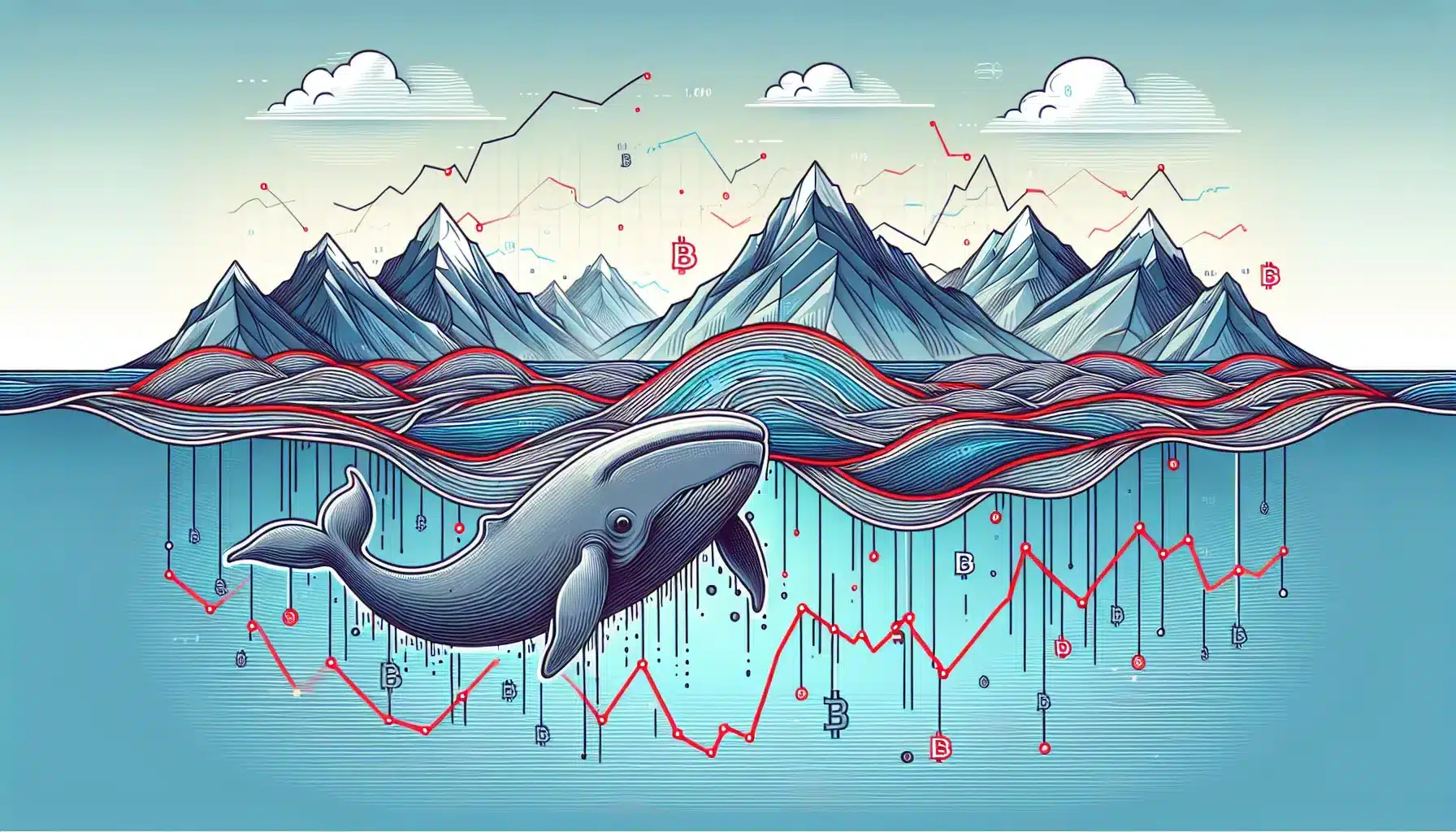
On November 28, 2025, a significant Bitcoin transaction caught the attention of the crypto community when a large investor, commonly referred to as a “whale,” sold 500 BTC at a notable $10.5 million loss. This move has sparked discussions about the current state of the Bitcoin market and has fueled speculation about future price trends.
The Bitcoin market has been on a tumultuous ride recently, with the cryptocurrency hovering around key price levels. As prices flirt with the $90,000 mark, market analysts are divided on the potential trajectory of Bitcoin’s value. While some anticipate a further decline, others believe that whale activity and increased accumulation could drive prices back up, with targets potentially reaching $92,942 and even $100,131.
Historically, Bitcoin’s price is known for its volatility. Massive sell-offs by whales can drastically impact market sentiment, often causing prices to dip due to the sheer volume of assets being offloaded. However, whale activity isn’t always bearish. Large-scale accumulation by these influential investors can signify confidence in the asset’s future performance, often leading to price recoveries or rallies.
In this recent case, the whale’s decision to sell at a substantial loss may initially appear as a bearish signal. However, the broader context of this move could hint at various strategic motivations. For instance, the investor might be reallocating capital to other assets or anticipating short-term dips and planning to repurchase Bitcoin at lower prices. Additionally, tax strategies might be at play, where realizing a loss can offset gains elsewhere in an investment portfolio, particularly as the fiscal year-end approaches.
Despite the immediate impact of whale sales, the Bitcoin market is resilient and has shown a strong capacity to rebound. The underlying fundamentals of Bitcoin remain robust, driven by increasing institutional adoption and a growing acceptance as a legitimate asset class. Global financial institutions and corporations continue to expand their engagement with cryptocurrencies, providing additional layers of stability and confidence in the long-term potential of Bitcoin.
To understand the current market dynamics, it’s essential to consider the regulatory landscape, which has evolved considerably over recent years. Many governments, recognizing the importance of cryptocurrencies, have developed frameworks to regulate and integrate digital currencies into their financial systems. While this regulatory clarity encourages mainstream adoption, it also introduces new challenges, such as compliance costs and the risk of restrictive measures that could stifle innovation.
The Bitcoin market’s reaction to whale movements is also intertwined with broader economic conditions. Inflation concerns, monetary policy shifts, and geopolitical tensions can influence investor behavior and asset allocation. As traditional markets face uncertainties, some investors view Bitcoin as a hedge against economic instability, contributing to its appeal.
However, the market is not without risks. Regulatory crackdowns in major economies could potentially dampen enthusiasm and lead to price volatility. Furthermore, technological issues such as scalability and energy consumption continue to be debated, with critics arguing that these factors could hinder widespread adoption.
On the flip side, advancements in blockchain technology and the development of sustainable energy solutions present opportunities for growth and innovation in the crypto space. Emerging trends such as the integration of Bitcoin into cross-border payment systems and its use as collateral in decentralized finance (DeFi) applications highlight the evolving utility of the cryptocurrency.
In conclusion, the recent whale sale of 500 BTC at a loss underscores the complex interplay of factors influencing the Bitcoin market. While such transactions can trigger immediate price fluctuations, they also reflect broader strategic considerations and market sentiments. As Bitcoin continues to mature, influenced by both macroeconomic trends and technological advancements, its trajectory remains a subject of keen interest and speculation among investors worldwide. Balancing optimism with caution, stakeholders must navigate this dynamic landscape, mindful of both the opportunities and the inherent risks.