Community Trust ScoreVerified
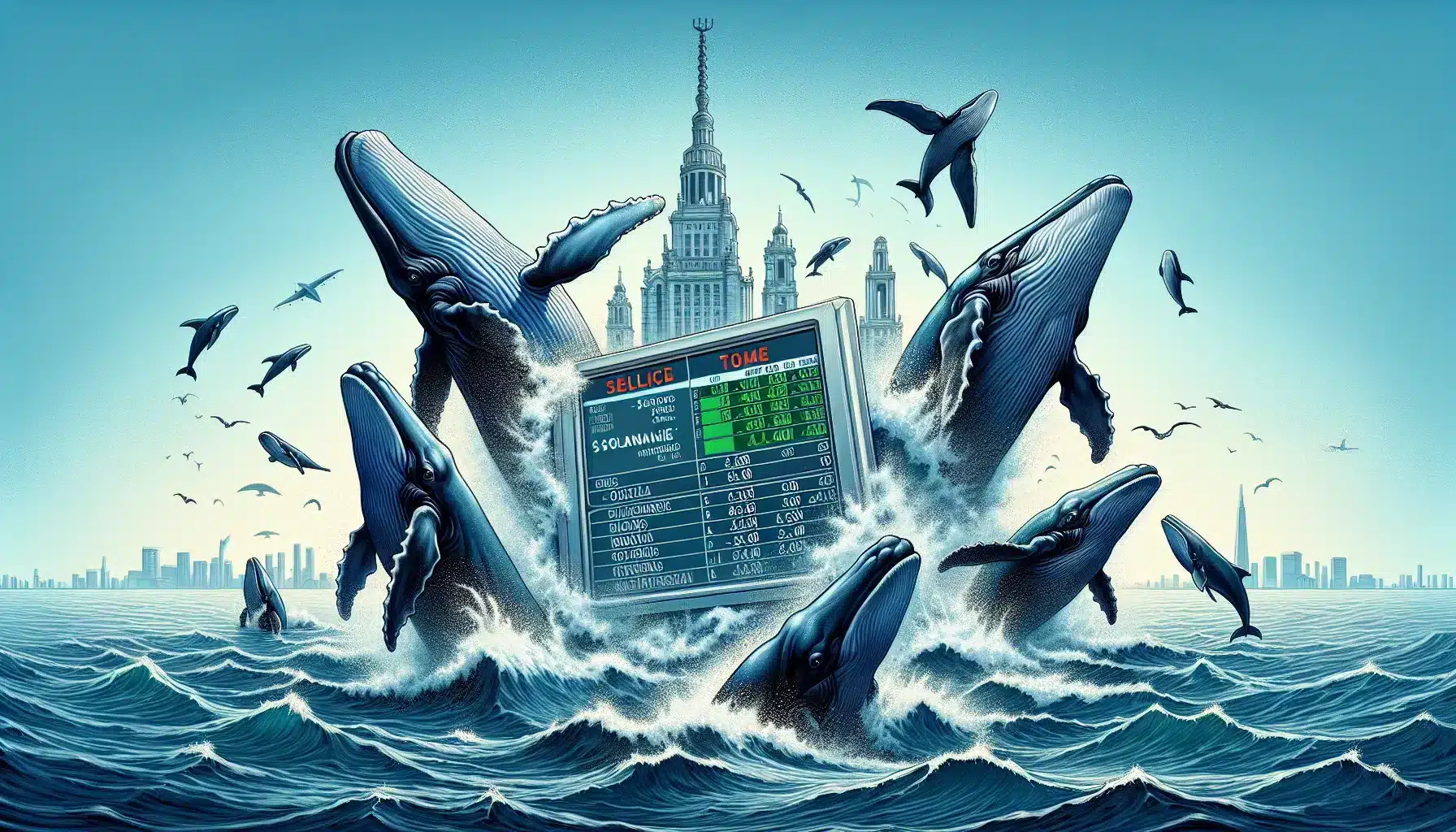
As of November 2025, Solana is experiencing significant selling pressure, primarily driven by large investors, often referred to as “whales,” who are shorting the cryptocurrency heavily. This activity comes at a critical time as Solana’s key support levels are being tested, raising concerns among investors and analysts about the future trajectory of its price.
Solana, known for its high-performance blockchain capabilities, has been a favorite among developers and users for its fast transaction speeds and low costs. Over the past years, it has positioned itself as a major player in the crypto space, often touted as a competitor to Ethereum. However, the recent market activity has highlighted potential vulnerabilities within its ecosystem.
The substantial sell-off by whale investors suggests a bearish sentiment that could have far-reaching implications. Whales, who possess large quantities of a cryptocurrency, have the power to influence market trends significantly. When these investors decide to short Solana, it indicates a lack of confidence in the short-term performance of the asset. This strategy involves betting against the cryptocurrency, profiting if its price declines further.
One of the critical factors contributing to the current situation is the broader macroeconomic environment. The global financial landscape has been volatile, with rising interest rates and inflation concerns affecting investor sentiment. Cryptocurrencies, being largely speculative assets, are particularly sensitive to such economic conditions. As traditional markets react to economic pressures, digital currencies like Solana often experience increased volatility as well.
Despite its strong technological foundation, Solana has faced challenges in recent months. Network outages and security concerns have occasionally disrupted its operations, leading to skepticism among some investors. These issues have prompted debates about the network’s long-term sustainability and reliability. Critics argue that while Solana offers impressive speed and efficiency, it must also prioritize robustness and security to maintain investor trust.
In the past, Solana has demonstrated resilience in bouncing back from setbacks. For instance, after a major outage in 2021, the development team made significant improvements to the network, which helped restore confidence. Such resilience has been a part of Solana’s narrative, contributing to its rapid growth. However, as the network matures, the expectations for stability and security grow higher, requiring constant vigilance and updates.
On the other hand, the influx of whales shorting Solana raises questions about the influence of large holders in the crypto market. The concentration of assets in a few hands can lead to market manipulation, which undermines the principles of decentralization that cryptocurrencies aim to uphold. A market dominated by a few players does not reflect true price discovery and can lead to exaggerated market movements.
Meanwhile, the core community of Solana remains optimistic about its development trajectory. They assert that the current market pressures are a temporary hurdle. The ongoing advancements in Solana’s ecosystem, such as new partnerships and decentralized applications (dApps), continue to drive the platform’s growth. Developers are working on enhancing the network’s capabilities and addressing any vulnerabilities to ensure a robust infrastructure for future growth.
Moreover, Solana’s strategic initiatives, like expanding its developer community and fostering innovation through hackathons and grants, are instrumental in maintaining its competitive edge. These efforts are aimed at attracting more talent and fostering a vibrant ecosystem that can withstand market fluctuations.
However, one cannot overlook the potential risks associated with Solana’s current predicament. The heavy shorting by whales could spark a broader sell-off, leading to a further decline in price and potentially triggering a panic among retail investors. Such a scenario might dampen interest in Solana, at least in the short term, and could have a cascading effect on related projects within its ecosystem.
Another concern is the regulatory landscape surrounding cryptocurrencies. As governments worldwide take a closer look at the crypto space, regulatory changes could impact Solana’s operations. Any regulatory tightening could pose challenges to the network’s growth and adoption, especially in jurisdictions with stringent compliance requirements. Solana must navigate these evolving regulations carefully to ensure its continued success.
In contrast, Solana’s technological advantages cannot be ignored. The platform’s proof-of-history consensus algorithm is a unique innovation that underpins its scalability and speed. This technological edge could serve as a valuable asset as Solana seeks to rebound from the current market turbulence.
Comparatively, other blockchain networks are also grappling with similar challenges. Ethereum, Solana’s major competitor, has faced its share of scalability issues, leading to high transaction fees during peak times. However, Ethereum’s transition to a proof-of-stake model is seen as a significant step towards mitigating these concerns. Solana’s ability to address its network issues effectively could position it favorably against such competitors.
In conclusion, the heavy selling pressure on Solana driven by whales presents both challenges and opportunities. While the current market dynamics appear daunting, they also offer a chance for Solana to demonstrate resilience and adaptability. The outcome will depend on how effectively the network can address its operational challenges and leverage its technological strengths. As the cryptocurrency landscape continues to evolve, Solana’s journey will be closely watched by investors and developers alike, eager to see if it can maintain its status as a leading blockchain platform.