Community Trust ScoreVerified
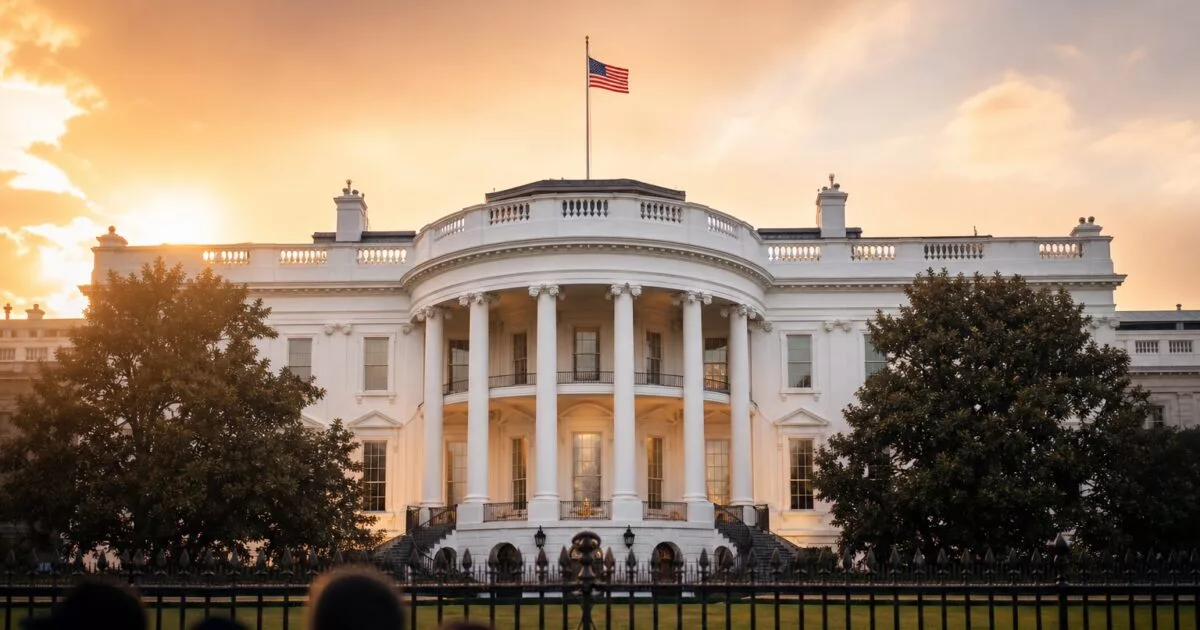
The White House is set to sit down with law enforcement groups over their objections to the illicit-finance sections of the Crypto’s Clarity Act. It’s a direct move — and a pretty significant one — to keep a major crypto bill from stalling before it gets anywhere near a final vote.
Law enforcement agencies aren’t happy with specific provisions in the act. Their argument is straightforward: certain sections could weaken their ability to go after illegal activity tied to crypto. That’s a big deal. Crypto-related financial crime has been a growing headache for federal and state agencies for years, and any legislation seen as tying their hands is going to face serious pushback. So the White House stepped in, basically trying to get everyone in a room before the bill gets further down the road.
The meetings aren’t about scrapping the act.
The goal, from what’s been laid out, is to find a way to address the enforcement community’s concerns without gutting what the Crypto’s Clarity Act is actually trying to do — give the crypto industry a clearer legal framework to operate under. That’s the balance the administration is trying to strike. Regulatory clarity on one side. Functional law enforcement tools on the other. Neither side seems willing to fully give ground, which is probably why the White House felt it had to get directly involved.
What Law Enforcement Is Pushing Back On
The specific sections drawing fire from law enforcement haven’t been publicly detailed in full, but the core complaint is consistent: some provisions in the bill could create gaps that bad actors exploit. Crypto is already a space where illicit finance concerns run deep — from ransomware payments to sanctions evasion — and enforcement agencies are wary of legislation that doesn’t account for the practical realities of how those crimes work.
It’s not a new tension. Regulators and law enforcement have clashed with the crypto industry repeatedly over compliance requirements, reporting thresholds, and the degree of anonymity that certain digital asset structures allow. The Crypto’s Clarity Act, designed to cut through the regulatory fog that’s plagued the industry, apparently didn’t fully satisfy enforcement priorities in its current form. That’s what these meetings are meant to fix — or at least start fixing.
And the fact that the White House is personally shepherding these conversations carries weight. It’s not a congressional staffer drafting a memo. It’s a direct administration-level engagement, which tells you something about how seriously this bill is being taken, and how seriously the objections are being treated.
What Happens to the Bill Now
Unclear, honestly. The talks are ongoing, and no conclusion has been reached. What seems likely is that some amendments will come out of these discussions — modifications targeted at the illicit-finance sections that law enforcement finds most problematic. Whether those changes satisfy the enforcement community without alienating the crypto industry is the hard part.
The Crypto’s Clarity Act has been a focal point in a much bigger debate about how the U.S. wants to handle digital assets going forward. The industry has long pushed for exactly the kind of regulatory clarity the bill promises. But clarity that comes with provisions seen as soft on financial crime is going to face a rough road — not just from law enforcement, but from legislators who don’t want to hand critics an easy target.
So the White House is threading a needle here. Get law enforcement on board, keep the bill’s core intent intact, and move the legislation forward without it becoming a political liability.
Further meetings are expected. The source didn’t specify a timeline for when these talks might wrap up or when any revised text could appear. Observers are watching closely, because the outcome of these discussions could shape the final form of one of the more consequential crypto bills currently in play.
Stakeholders on both sides — crypto firms, compliance teams, enforcement agencies — are paying attention. The bill’s provisions, as amended, will likely set precedents that ripple well beyond any single company or agency. Getting the illicit-finance language right matters enormously, both for the industry’s credibility and for the practical tools available to the people tasked with policing it.
The administration’s decision to engage directly rather than let congressional staff handle the friction is probably the clearest sign yet that the White House views the Crypto’s Clarity Act as a priority — and that it can’t afford to let it die over a set of enforcement objections that might be solvable with targeted revisions.
No amendments have been formally proposed yet.
Frequently Asked Questions
What is the Crypto’s Clarity Act?
The Crypto’s Clarity Act is a proposed U.S. bill designed to create a clearer legal framework for cryptocurrency regulation, giving the industry more defined rules to operate under.
Why is law enforcement objecting to the Crypto’s Clarity Act?
Law enforcement groups argue that certain provisions in the act could weaken their ability to combat illicit financial activity tied to cryptocurrency, prompting the White House to hold direct meetings to address those concerns.