Community Trust ScoreVerified
Worldcoin (WLD), a cryptocurrency that has been under significant market pressure, saw its value plummet by 14% as of November 21, 2025. This decline comes amid mounting concerns over global regulatory actions targeting digital currencies. The fall underscores the fragility of cryptocurrencies when subjected to legal and regulatory uncertainties.
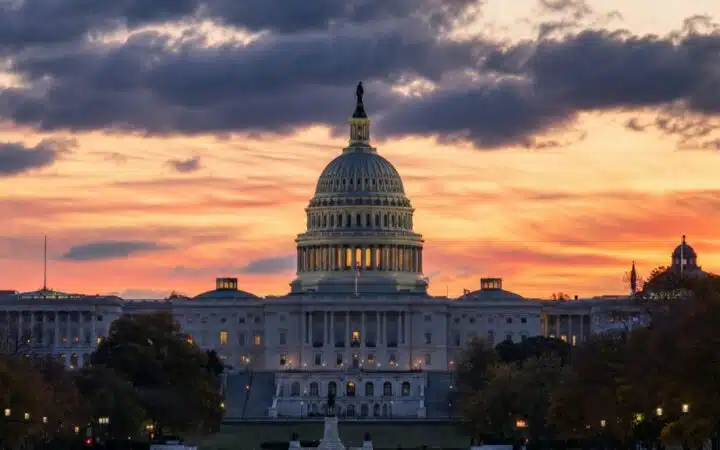
This recent downturn is not isolated, as Worldcoin has faced several challenges in recent months. Regulatory bodies across various countries have intensified their scrutiny of cryptocurrencies, a trend set in motion by concerns over security, fraud, and the potential for money laundering. Worldcoin, like several other digital currencies, has been caught in this regulatory crossfire. In particular, the European Union and the United States have been vocal about tightening rules governing digital assets, focusing on enhancing transparency and ensuring investor protection.
The regulatory landscape has been shifting considerably over the past few years. In 2023, the European Union implemented the Markets in Crypto-Assets Regulation (MiCA), aiming to provide a comprehensive regulatory framework for digital assets. This regulatory effort was intended to safeguard investors and stabilize the market but has also increased compliance burdens on cryptocurrency ventures. Similarly, in the United States, the Securities and Exchange Commission (SEC) has stepped up its enforcement actions against what it deems non-compliant cryptocurrency projects.
Worldcoin’s recent price drop has rekindled debates about the sustainability of cryptocurrencies when faced with tightening regulations. Critics argue that regulatory constraints could stifle innovation within the sector, potentially pushing smaller entities out of the market. This sentiment was echoed by crypto analyst Maria Collins, who stated, “The regulatory environment is becoming increasingly hostile, and this could lead to a consolidation where only the strongest players survive.”
On the other side of the argument, proponents of regulation believe that such measures are necessary to legitimize the industry and protect consumers. They argue that comprehensive regulations could pave the way for broader adoption of cryptocurrencies by mainstream institutions, which have been hesitant due to regulatory ambiguities and perceived risks.
Worldcoin’s recent struggles also highlight the broader volatility inherent in the cryptocurrency market. The sector, known for its dramatic price swings, has faced similar challenges before. Bitcoin, the most prominent cryptocurrency, experienced a significant crash in 2018, losing nearly 80% of its market value. Such historical precedents demonstrate that while regulatory actions can exacerbate market downturns, they are not the sole cause of volatility.
Despite the current downturn, Worldcoin’s development team remains optimistic about the currency’s long-term potential. The team has been actively working on enhancing Worldcoin’s underlying technology, aiming to improve security and efficiency. “We see this as an opportunity to strengthen our platform and build resilience against market fluctuations,” said Worldcoin’s project lead, David Zhang.
Worldcoin’s efforts to bolster its technology come at a critical time. The cryptocurrency market is increasingly competitive, with new projects emerging regularly. Innovations such as decentralized finance (DeFi) and non-fungible tokens (NFTs) have captured significant market attention, challenging traditional cryptocurrencies to evolve or risk becoming obsolete.
Another risk facing Worldcoin and its peers is the potential for technological issues, such as security breaches. The cryptocurrency sector has been plagued by high-profile hacks and fraud cases, which have eroded public trust. In 2022, a major hack resulted in the loss of over $600 million from the Ronin Network, underscoring the vulnerabilities within the crypto ecosystem.
Looking forward, Worldcoin’s trajectory will likely depend on both its adaptability to regulatory changes and its ability to innovate. As the global financial landscape continues to evolve, digital currencies must navigate the dual challenges of regulatory compliance and technological advancement.
Historically, the emergence of new financial instruments has often been met with resistance and skepticism. Cryptocurrencies are no exception, as their decentralized nature challenges traditional financial systems. However, just as the internet transformed commerce and communication, digital currencies could redefine financial transactions if managed and regulated effectively.
In comparison, other countries are also grappling with the regulatory challenges posed by cryptocurrencies. For instance, China has taken a hardline stance, effectively banning most crypto activities, whereas countries like Switzerland have adopted more crypto-friendly regulations to encourage innovation. These varied approaches highlight the global divergence in handling digital currencies and the potential impact on their market performance.
While regulatory pressures present significant hurdles for Worldcoin and similar cryptocurrencies, they also offer a chance for the industry to mature. By navigating these challenges, Worldcoin could emerge stronger, setting a precedent for how digital currencies can coexist with regulatory frameworks.
Despite the uncertainty, the future of cryptocurrencies, including Worldcoin, remains a topic of intense debate among investors, regulators, and technologists. The ability of digital currencies to adapt to an evolving regulatory landscape while continuing to innovate will likely determine their long-term success. As the world watches, Worldcoin’s journey will be a case study in the interplay between innovation, regulation, and market dynamics in the digital age.