Community Trust ScoreVerified
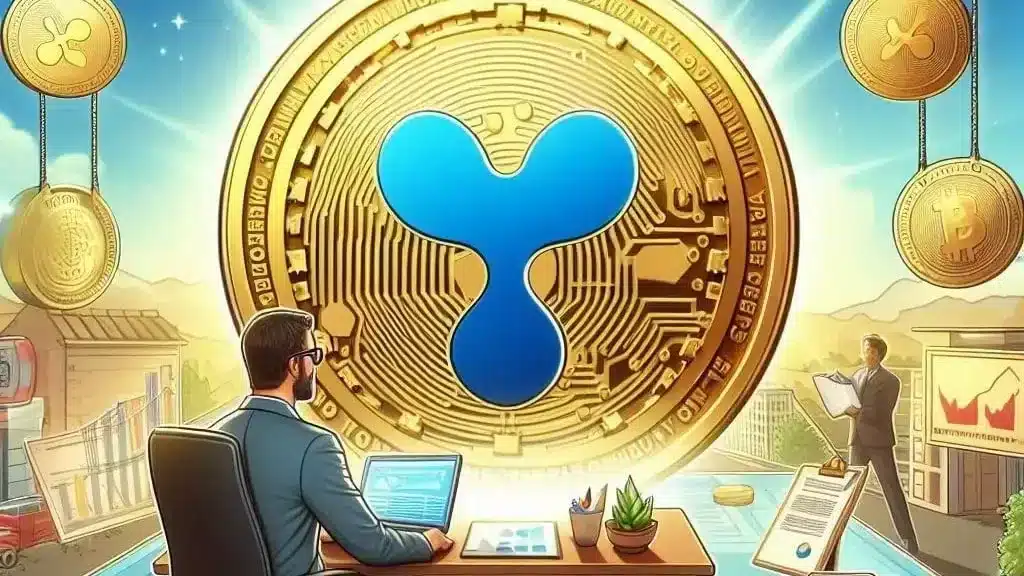
Despite facing a rough patch in its price trajectory, with the token hovering around $2.40 post the October 10 market crash, XRP continues to attract the attention of long-term investors and experts. One such advocate is Oliver Michel, CEO of the German venture capital firm Tokentus Investment AG. Michel is resolute in his belief that XRP is far more than just a digital currency — it’s part of an intricate, well-integrated financial ecosystem.
XRP’s Price Struggles and Market Sentiment
XRP, like many cryptocurrencies, faced significant turbulence during the recent market downturn, with its price dipping under the pressure of a broader market pullback. However, despite this dip, analysts like Michel remain optimistic about XRP’s future. He suggests that its true value extends well beyond mere price fluctuations, viewing it as an essential part of a greater financial system.
Speaking with Deraktionaer TV, Michel acknowledged the market struggles that have hindered XRP’s progress, noting the ongoing U.S. government shutdown as a factor contributing to the delay in key regulatory decisions — particularly those concerning the approval of spot exchange-traded funds (ETFs) for assets like XRP and Solana. According to Michel, these delays have created a standstill in the crypto space, as regulators are unable to take significant steps or release necessary data.
Despite these setbacks, Michel expressed confidence that the approval of XRP ETFs is imminent, calling the development a “massive” win for the token. He also noted that these delays might be tactical, a way for authorities to play the long game, positioning the market for a more stable and regulated future. Once government operations resume, Michel predicts that the crypto market will see significant positive shifts.
XRP in the “Dump Money Zone”
Despite its volatility, Michel pointed out that XRP has shown resilience over the last several months, maintaining a relatively stable price range. He noted that in the past four weeks, the token gained approximately 23% before stabilizing once more between $2.40 and $2.50.
Michel referred to this price range as the “Dump Money Zone,” describing it as a neutral market space where traders should wait and observe, rather than making hasty decisions. He highlighted that XRP’s movement could go either way, heavily influenced by Bitcoin’s price fluctuations and the broader market’s behavior. For investors, this neutral zone represents a time to assess the broader market dynamics rather than reacting impulsively to short-term trends.
XRP’s Strength: A Financial Ecosystem, Not Just a Coin
Michel’s most bullish remarks focused on what truly differentiates XRP from other cryptocurrencies: the powerful ecosystem Ripple has built around it. For Michel, XRP is not merely a digital asset or speculative investment — it is a foundational piece in a much larger, integrated financial infrastructure.
XRP’s core strength, according to Michel, lies in Ripple’s comprehensive ecosystem, which ties together various elements of traditional finance, risk management, and blockchain technology. This system is designed to bridge the gap between traditional finance (TradFi) and decentralized finance (DeFi), integrating features that serve banks, payment providers, and liquidity providers across the globe.
One of the most significant developments in this ecosystem was Ripple’s $1 billion acquisition of GTreasury, a treasury management software company used by over 13,000 banks worldwide. Michel emphasized that this acquisition not only strengthens Ripple’s foothold in the traditional financial sector but also opens the door for broader adoption of its technology. Through GTreasury, Ripple has solidified its position as a key player in the intersection of blockchain and traditional banking systems, positioning XRP to become an integral part of global financial infrastructure.
XRP as Part of a Larger Ecosystem
Michel explained that XRP’s potential transcends the realm of digital assets and extends to the very infrastructure of modern finance. He stated, “XRP is not just a coin; it is part of a complete ecosystem, from a bank to a ledger, to a custody solution, to treasury management software.” This interconnected network positions XRP as a bridge currency — one that can facilitate cross-border payments and drive new financial innovations on a global scale.
Michel’s vision is clear: XRP and the XRP Ledger have the potential to evolve into a comprehensive financial solution, serving not only as a medium of exchange but also as the backbone of global financial transactions. As Ripple continues to expand its offerings and features, the integration of XRP into broader use cases will likely increase, making it a leading platform for the future of digital finance.
Evernorth: A Step Towards Institutional Adoption
One of the most ambitious initiatives within the XRP ecosystem is Evernorth, a new company backed by Ripple and some of its key investors. Michel highlighted that Evernorth plans to become the largest publicly listed XRP treasury, with an initial backing of $1 billion. This project intends to directly purchase XRP from the market, signaling a clear move towards institutional adoption and long-term price stability.
The launch of Evernorth is seen as a strategic step for Ripple, designed to foster greater institutional involvement in the XRP market. By directly acquiring XRP with institutional backing, Evernorth aims to create a solid foundation for the currency’s future growth. This initiative could help drive demand for XRP, potentially stabilizing its price and facilitating its mainstream adoption.
Long-Term Outlook for XRP
Looking ahead, Michel remains optimistic about XRP’s future performance. He forecasts that, once the regulatory environment stabilizes and ETF approvals are granted, XRP’s price could rise significantly, moving from its current level of $2.40 to as high as $6, $7, $8, or even $9. Michel’s long-term outlook on XRP is bullish, driven by the growing adoption of its ecosystem and its increasing use in both traditional and decentralized financial markets.
Despite the short-term challenges, Michel’s confidence in XRP’s ability to overcome them is unwavering. He sees XRP not just as a cryptocurrency but as a key component of the global financial system — an infrastructure that is becoming increasingly relevant in today’s evolving financial landscape.
Conclusion
XRP’s true value lies not only in its price movements but in its broader role within the financial ecosystem. As Michel points out, Ripple’s technology is rapidly transforming the way traditional financial institutions operate, while the addition of institutional projects like Evernorth signals the growing legitimacy and utility of XRP in the long run. For investors and market participants, XRP represents more than just a coin — it is an integral part of the financial infrastructure of the future. With ongoing developments, regulatory clarity, and broader institutional adoption, the potential for XRP’s growth remains immense.