Community Trust ScoreVerified
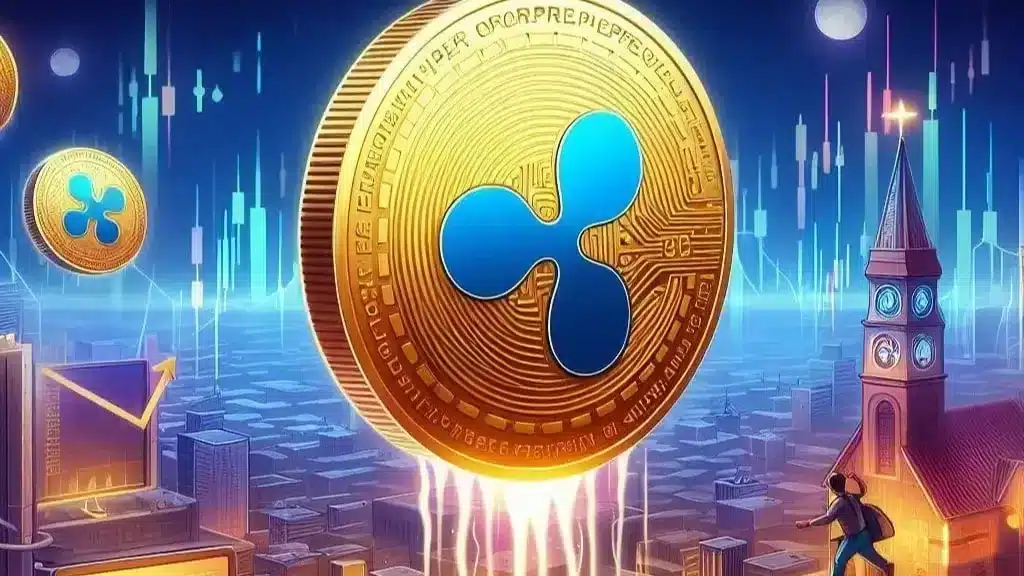
In recent discussions within the XRP community, a debate has emerged surrounding the factors that drive the value of XRP. Traditionally, many cryptocurrency projects have relied on token burns to artificially create scarcity and increase value. However, XRP has taken a markedly different approach, emphasizing real-world utility over supply manipulation. Experts now assert that XRP’s growing adoption in cross-border payments and institutional treasury management is the true driver of its value, rather than its extremely low burn rate.
Since its launch in 2012, the XRP Ledger (XRPL) has implemented a burn mechanism primarily designed to prevent network spam attacks. Transaction fees collected in XRP are burned in very small amounts, ensuring affordability and accessibility for users. Over the last decade, the total XRP burned stands at just 14,215,351 tokens, representing only 0.014% of the 100 billion total supply. Comparatively, projects like Shiba Inu have aggressively burned more than 40% of their total supply to boost scarcity-driven price gains. This minimal burn rate has prompted some community members to question whether XRP can achieve meaningful value growth without following the same path as other crypto tokens.
One such community member, known on X as “Fishy Catfish,” criticized XRP for not leveraging token burns to enhance its scarcity. From a traditional economic standpoint in crypto, token burns are seen as a tool to increase perceived value, particularly for speculative assets lacking intrinsic utility. By removing tokens from circulation, a project can theoretically create upward price pressure as supply decreases while demand remains constant or increases. This strategy has proven effective for many altcoins, where the burn mechanism is a key component of their value proposition.
Despite these critiques, proponents of XRP argue that the token’s intrinsic utility fundamentally differentiates it from tokens that rely heavily on artificial scarcity. Attorney and blockchain expert Bill Morgan explained that valuable digital assets do not need aggressive burns to appreciate in value. “Only tokens lacking intrinsic utility depend on burns to boost their price artificially,” Morgan stated. He further emphasized that XRP’s value emerges organically from its growing adoption in real-world use cases, particularly in cross-border payments, treasury management, and institutional settlement.
XRP’s utility has steadily expanded beyond simple transactional use. Over the years, the XRP Ledger has been adopted by a range of institutions seeking faster and more cost-effective cross-border settlement solutions. By leveraging XRP, these institutions can bypass traditional banking systems, reducing settlement times from days to mere seconds. Additionally, XRP’s low transaction costs and scalability make it a practical choice for businesses managing large transaction volumes. The network’s speed and affordability are key reasons why XRP is increasingly recognized as more than just a speculative asset.
The narrative of XRP utility is further strengthened by recent institutional interest in the token. Notably, the InsurTech company Reliance Group purchased $17 million worth of XRP to bolster its treasury holdings. This move highlights the growing perception of XRP as a reliable and functional asset, capable of serving as a reserve or operational currency for corporate entities. Such real-world adoption provides tangible evidence that the token’s value is not dependent on scarcity created through token burns, but rather on practical applications and increasing demand.
XRP’s minimal burn rate, while often cited as a weakness by critics, can also be seen as a strategic advantage. By maintaining a low and predictable burn, the XRPL ensures network stability and predictability, avoiding volatility that could be introduced by large-scale artificial scarcity. Moreover, the modest burn ensures that transaction fees remain accessible, allowing more participants to use the network without prohibitive costs. This aligns with the broader vision of XRP as a utility-focused asset that prioritizes usability and accessibility over speculative hype.
The debate over burns versus utility also reflects a broader trend in the cryptocurrency market. As the space matures, investors and users are increasingly scrutinizing the functional value of assets rather than relying solely on speculative narratives. While early crypto cycles rewarded scarcity-driven price mechanics, current market dynamics favor assets with demonstrable adoption, usability, and integration into real-world financial systems. XRP exemplifies this trend, demonstrating that sustained value can be achieved through meaningful use cases rather than aggressive supply manipulation.
Beyond payments, XRP’s ecosystem continues to grow with emerging applications such as tokenized assets, decentralized finance (DeFi) integration, and stablecoin issuance. These developments not only enhance XRP’s utility but also reinforce its credibility as a practical financial instrument. As more enterprises and financial institutions experiment with the XRPL, demand for XRP as a medium of exchange and settlement currency is expected to rise, further supporting its market value.
In conclusion, the discussion surrounding XRP highlights a critical distinction in the cryptocurrency market: while some tokens rely on burns to artificially drive scarcity and price, XRP’s value is increasingly rooted in utility and adoption. The minimal burn rate ensures network efficiency and affordability, while growing institutional and corporate use demonstrates that the token’s demand is organic and sustainable. For investors, this underscores the importance of evaluating cryptocurrencies not just by supply dynamics but by their practical utility and real-world adoption. XRP’s path suggests that value can emerge naturally from a strong, functional ecosystem rather than relying on speculative mechanisms, positioning the token as a forward-looking asset in the evolving crypto landscape.