Community Trust ScoreVerified
Ripple’s Chief Technology Officer, David Schwartz, has once again captured the crypto community’s attention with his latest remarks on XRP’s role in the evolving blockchain ecosystem. In a conversation with crypto podcaster Scott Melker on X (formerly Twitter), Schwartz revisited one of the industry’s oldest debates — what truly gives cryptocurrencies their value.
Schwartz, one of the original architects of the XRP Ledger, said that despite speculation dominating much of the crypto market, XRP’s long-term success depends on real-world usage and accessibility. He emphasized that XRP was designed as a blockchain where “people can be their own banks,” free from middlemen and excessive transaction fees.
“XRP is a blockchain where people can be their own banks — where middlemen don’t tax transactions,” Schwartz explained. His statement echoes Ripple’s founding philosophy: creating an open financial network that removes traditional gatekeepers and promotes borderless liquidity.
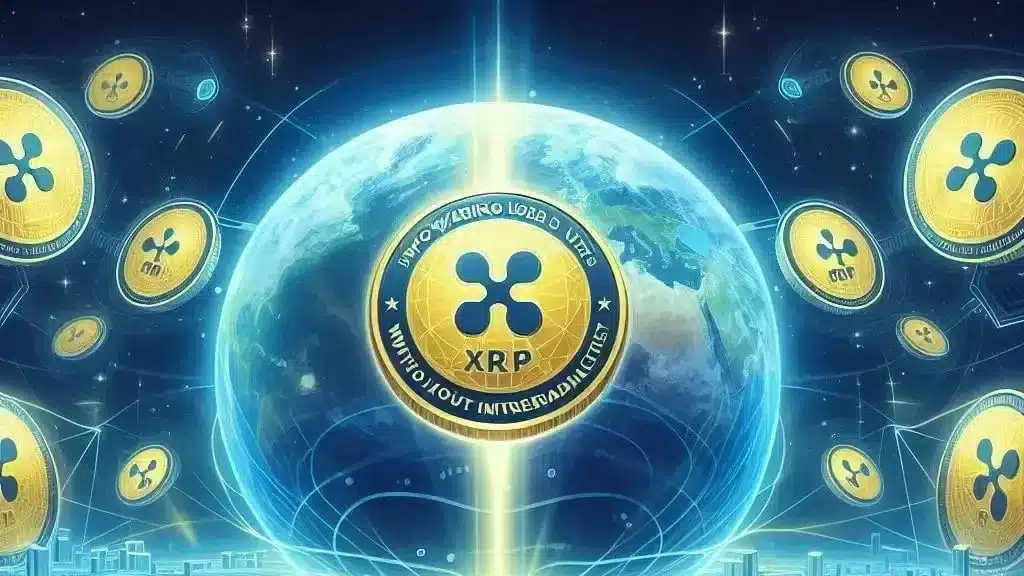
He described XRP as a “universal asset” that operates without central control or counterparties. “XRP is the only asset that’s accessible to every account in every jurisdiction, with no risk of default, freeze, or clawback,” he said. This characteristic, according to Schwartz, makes XRP more neutral and resilient compared to permissioned or centrally controlled blockchain systems.
Beyond Speculation: Why Real Utility Defines XRP’s Future
While Schwartz acknowledged that much of the crypto market still thrives on speculation, he emphasized that lasting value can only come from consistent usage. “I want to believe in the importance of usage,” he said, suggesting that true adoption — not hype — will separate meaningful projects from fleeting trends.
This perspective carries weight coming from one of the industry’s earliest blockchain engineers. Since joining Ripple in 2011, Schwartz has been instrumental in building the technical framework behind XRP and promoting interoperability between blockchain systems and traditional finance.
As he prepares to step down as Ripple’s CTO by the end of 2025, his comments also serve as a reflection on crypto’s journey so far. The market has grown exponentially, yet speculation remains a defining feature. Schwartz’s remarks highlight a need for maturity — for users and investors alike to understand the technology behind the tokens they hold.
Ripple’s Broader Mission and Institutional Progress
Under Schwartz’s leadership, Ripple has evolved from a startup challenging banks to a global financial technology company collaborating with them. Its focus has shifted toward blockchain-based payment solutions, liquidity management, and tokenized settlement systems.
Ripple’s partnerships with financial institutions, coupled with growing regulatory clarity, have positioned XRP as a potential bridge asset in international transactions. Schwartz, however, remains cautious about linking short-term price movement to long-term success.
“The crypto market is emotional,” he said in a previous discussion. “People often overestimate innovation in the short term and underestimate it in the long term.”
This sentiment reflects Ripple’s approach — prioritizing enterprise solutions and compliance over hype cycles. While volatility remains part of crypto’s DNA, the company continues to advocate for real-world integration of XRP in areas like remittances and cross-border settlement.
The Debate Over Crypto’s “Inherent Value”
Schwartz’s latest comments reignited the long-standing discussion about whether cryptocurrencies have intrinsic value. Traditional financial analysts from firms like Charles Schwab and Hargreaves Lansdown argue that most digital assets lack fundamentals such as cash flow or tangible backing.
In contrast, blockchain advocates claim that digital value comes from decentralization, user sovereignty, and network effects — qualities that make cryptocurrencies useful in ways traditional assets cannot match.
Schwartz’s perspective bridges these two views. He agrees that speculation currently drives the market but believes that true value will emerge from adoption and usability. For XRP, that means integration into real-world financial systems — powering payments, remittances, and tokenized asset transfers.
“True value emerges when a blockchain becomes indispensable to how people move money and store wealth,” he explained.
The Road Ahead: From Technology to Tangible Impact
Seventeen years after Bitcoin’s creation, the crypto ecosystem is undergoing a transformation. Institutional participation, government regulation, and technological maturity are shaping a more stable environment. XRP’s journey mirrors this broader shift — from early controversies and legal battles to becoming a serious contender in the financial infrastructure race.
As Schwartz prepares to conclude his tenure, his message to the industry is clear: technology alone does not guarantee survival. Adoption, utility, and trust are what will determine which digital assets endure.
Whether XRP evolves into a foundational element of the global financial system or remains one of several competing networks will depend on Ripple’s continued innovation and the community’s commitment to practical use cases.
But one takeaway stands out — for Schwartz, the ultimate goal is empowerment. “Do you want to be your own bank,” he asked rhetorically, “or someone else’s?”
His vision for XRP remains unchanged: a decentralized, accessible network that gives people control over their money — not through speculation, but through real utility that stands the test of time.