Community Trust ScoreVerified
Bhutan moved 738 bitcoin on June 6. That’s roughly $44.88 million gone from the Himalayan kingdom’s reserves in a single day — and it’s far from the first time.
The transfer is the latest in a string of transactions that have been quietly chipping away at Bhutan’s digital holdings over recent months. No official statement came with it. No press release, no government spokesperson, no explanation. Just coins moving out of wallets, picked up by on-chain trackers, and left for the market to interpret. Bhutan has been doing this for a while now — selling portions of its bitcoin stash in what looks, from the outside, like a deliberate drawdown. Whether that’s driven by fiscal pressure, a strategic pivot away from crypto, or something else entirely, nobody outside the government seems to know for certain.
A Steady Outflow With No Official Explanation
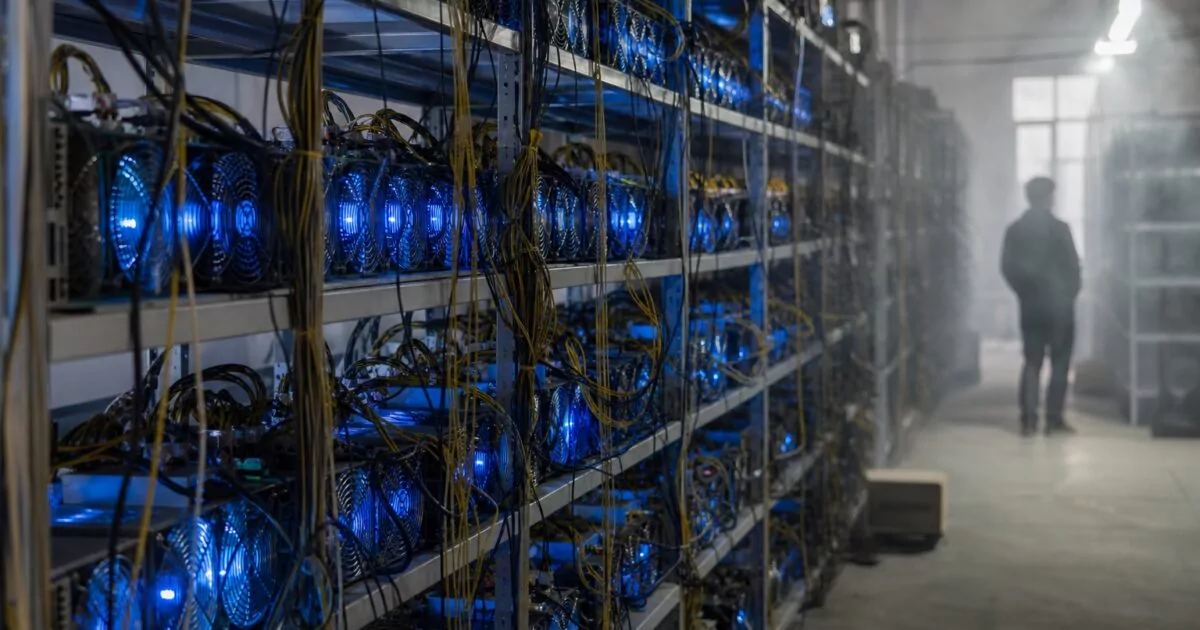
The pattern is pretty hard to ignore at this point. Each transaction chips away at a reserve that once made Bhutan one of the more surprising sovereign bitcoin holders on the planet. The kingdom had built up its stash largely through hydropower-funded mining operations — a detail that made the whole setup feel almost too clever. Cheap, clean energy powering bitcoin miners tucked into the eastern Himalayas. It got a lot of attention.
But the selling has been consistent. And the reserves have been shrinking. The cumulative effect of these sales is substantial — the kind of drawdown that raises real questions about whether Bhutan intends to hold any bitcoin at all going forward, or whether it’s basically winding down its position entirely.
The government hasn’t said. That’s the frustrating part for anyone trying to make sense of it. There’s no official communication about the purpose behind these transfers, no timeline, no target figure. Observers are left guessing.
Some think it’s probably fiscal. Bhutan is a small economy, and converting digital assets into cash — especially at prices that have remained elevated — makes straightforward sense if the government needs to fund infrastructure, social programs, or debt obligations. That’s a reasonable read. But it’s still speculation.
Others wonder if the kingdom is repositioning strategically, maybe reducing its crypto exposure as global regulatory pressure on digital assets builds. Sovereign holders have faced increasing scrutiny over how they acquire, hold, and liquidate cryptocurrency. It’s possible Bhutan is getting ahead of that.
What the Numbers Actually Tell Us
738 bitcoin at $44.88 million works out to roughly $60,800 per coin at the time of the transfer — which is consistent with where bitcoin has been trading. That’s not a distressed sale price. If anything, Bhutan is liquidating into relative strength, not panic-selling at the bottom.
And that’s actually interesting. A government that needed cash urgently might sell regardless of price. A government managing a deliberate exit might try to time it. The fact that these sales have been spread out over months, rather than dumped all at once, does suggest some level of planning. Maybe. It’s unclear, honestly.
What’s clear is the trend. The reserves are smaller now than they were. Each transfer adds to a cumulative outflow that has been, by any measure, significant for a country of Bhutan’s size. The kingdom isn’t a major player in global bitcoin markets — 738 coins won’t move the price — but as a case study in sovereign crypto management, or mismanagement, depending on your view, it’s worth watching.
Sovereign bitcoin holdings have become a genuinely contested topic globally. Some governments have moved toward accumulating more. Others have sold off seized assets or wound down positions quietly. Bhutan’s case is unusual because the holdings weren’t seized from criminals — they were mined. That made the original accumulation feel more intentional, which makes the current drawdown harder to explain away as routine asset management.
No details have emerged from Bhutanese authorities about whether a floor exists — some minimum reserve they plan to keep — or whether the sales will continue until the wallet is empty. Market participants watching the on-chain data can see the outflows, but can’t see the reasoning behind them.
The absence of transparency isn’t unusual for a government managing sensitive financial operations. But it does leave a lot of room for interpretation, and not all of it is flattering. When a sovereign holder sells consistently without explaining why, the market tends to assume the worst.
Whether that assumption is right, in Bhutan’s case, is still an open question.
The June 6 transfer of 738 bitcoin — $44.88 million worth — brings the total depletion to a level that has market observers genuinely uncertain about what comes next for the kingdom’s crypto strategy.
Hub: Bitcoin price, news, and analysis
Frequently Asked Questions
How much bitcoin did Bhutan move on June 6?
Bhutan moved 738 bitcoin on June 6, worth approximately $44.88 million at the time of the transfer.
Has Bhutan explained why it keeps selling bitcoin?
No. The Bhutanese government has not issued any official statement about the purpose or expected duration of its ongoing bitcoin sales.