Community Trust ScoreVerified
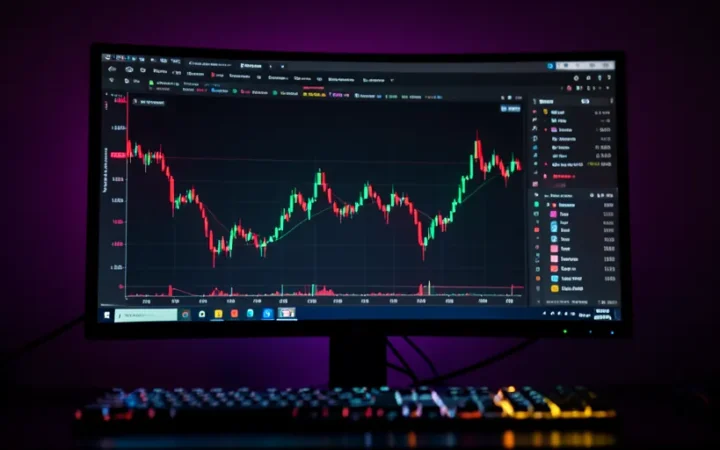
Bitcoin slipped below $80,000 in early October 29 trading as markets digested the Federal Reserve’s decision to leave interest rates unchanged. The move followed the central bank’s announcement, which included hawkish dissent from two members who voted in favor of raising rates. Market coverage linked the cryptocurrency’s decline to simultaneous weakness in technology shares and broader concerns regarding risk appetite.
The $80,000 level represents a reported session price rather than a live quotation. Because cryptocurrency prices change continuously, the specific figure reflects the market conditions at the time of the report. The Federal Reserve’s official statement confirmed that the policy rate range remains at 3.75% to 4.00%. The decision to hold rates, combined with the dissenting votes, signaled a cautious approach to monetary policy that influenced asset pricing across multiple sectors.
Transmission Through Conventional Markets
The price movement in Bitcoin was driven by conditions in conventional financial markets rather than any change to Bitcoin’s code or supply schedule. Higher-for-longer interest-rate expectations can increase the appeal of cash and short-term instruments while making leveraged positions more expensive to maintain. Technology shares and crypto assets often react to these macroeconomic conditions, particularly when investors are reassessing their exposure following corporate earnings releases.
While correlation between digital assets and traditional finance has become more substantial, it is not fixed. Dollar financing rates, the appetite for technology equities, brokerage activity, and institutional allocation decisions all influence crypto demand. However, these relationships shift as investors rotate between risk assets and cash. A single trading session does not establish a permanent causal link between the Federal Reserve’s decision and Bitcoin’s price action.
Liquidity Risks and Market Mechanics
The immediate risk in this market environment involves a feedback loop between falling prices and the closing of leveraged positions. If sellers push prices through levels where traders have concentrated stop-loss orders or collateral thresholds, selling can accelerate briefly. Conversely, the absence of forced liquidations can limit further downward momentum. This dynamic is more significant than the psychological impact of a round number like $80,000, which does not guarantee support or resistance.
Price moves in this context reflect derivatives funding, forced liquidations, spot exchange liquidity, and the timing of orders. Claims about precise liquidation figures vary across providers due to differing aggregation methods, so such data should be timestamped and sourced carefully. Traders seeking confirmation of the trend are advised to examine whether the move persists across spot venues and whether derivatives activity is driving the direction. The distinction between the moment of announcement, the immediate market reaction, and the longer testing period is essential for accurate market assessment.
Frequently Asked Questions
What was the Federal Reserve’s decision on October 29?
The Federal Reserve decided to leave interest rates unchanged, maintaining the policy range at 3.75% to 4.00%. Two members voted in favor of raising rates, indicating hawkish dissent within the committee.
Why did Bitcoin fall below $80,000?
Bitcoin slipped below $80,000 as markets digested the Federal Reserve’s rate hold and associated hawkish dissent. The move was also linked to weakness in technology shares and broader concerns about risk appetite in financial markets.