Ripple’s director of engineering Viijay Khanna confirmed that the company is preparing significant performance improvements for the XRP Ledger in 2027, according to U.Today. The statement addresses ongoing debates regarding the network’s speed, where critics have compared the XRP network’s throughput of approximately 1,500 transactions per second against the average daily load of Visa, describing the ledger as an outdated copy of legacy payment systems.
Shift Away From TPS Metrics
Khanna stated, “We have big plans for performance improvements lined up for 2027,” effectively ending speculations about the network’s future direction. Ripple’s engineering department is moving away from competing on raw transactions per second (TPS) metrics. The strategy involves directing retail microtraffic to Layer-2 solutions, such as Dassie (Interledger), while the main Layer-1 focuses on maintaining large funds for banks and institutions.
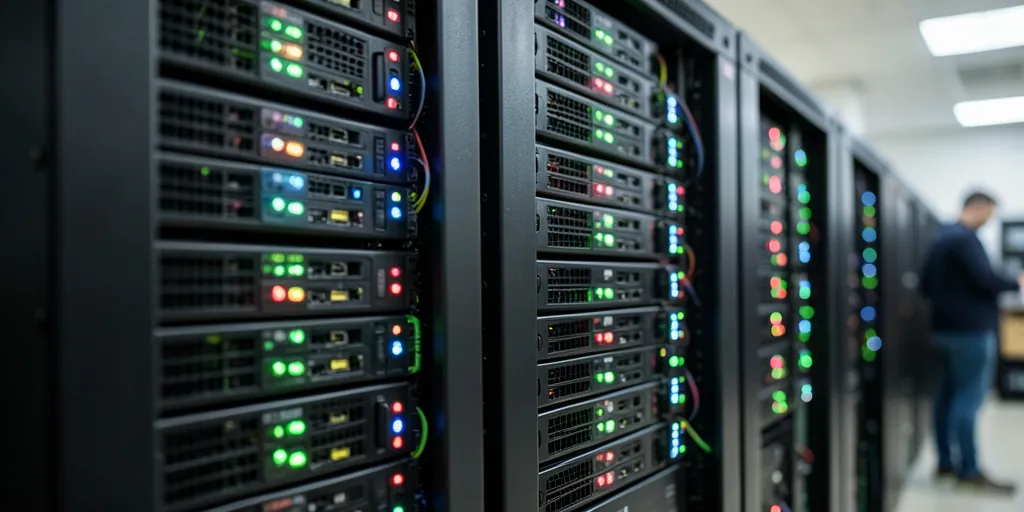
The first step in this infrastructure adjustment occurred this month with the release of xrpld 3.3.0. This update reduced the RAM requirements for nodes by 13-23%. Technical audits indicated that the previous high resource usage was not caused by simple code flaws, but by the system’s allocator withholding server resources after cache emptying. The bug fix allowed validators to decrease infrastructure costs significantly. Additionally, a fixCleanup package was released on November 4 to further improve the operational environment.
Institutional Roadmap and Smart Contracts
Ripple’s president Monica Long has announced a plan to relay a large portion of the company’s client payments directly on the XRP Ledger. Cross-border remittances will be integrated with new lending infrastructure. To prepare the network for these institutional funds, the XRP Ledger Foundation presented a 2027 roadmap.
The roadmap includes 24 complex amendments valued at $5.774 million for the development and audit of demo versions. Key technical plans include native smart contracts via WebAssembly (XLS-101), lending pools, options (XLS-62), and repo markets for interbank lending covered by tokenized assets. The roadmap also highlights heavy CPU demand for pathfinding within the native decentralized exchange. Ripple ecosystem builders are using AI teams for strict testing and code optimization to prepare the network for routine transactions involving the RLUSD stablecoin, tokenized stocks trading, and interbank lending.