XRP quotes are frozen at $1.3110, facing a dense resistance block in the $1.37–$1.40 range, as technical indicators and supply mechanics point to a prolonged sideways trend. The token’s return to the $2 mark is delayed, with the current macroeconomic model pushing the timeline for a sustained assault on key levels to the 2028 horizon.
Technical Compression and Resistance
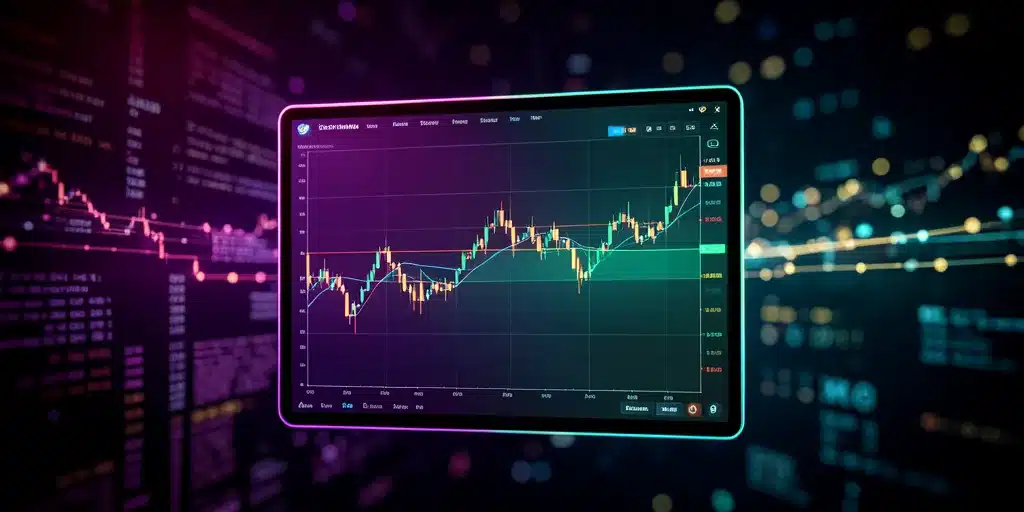
According to TradingView data, the weekly XRP/USD chart has entered a phase of extreme Bollinger Band compression. The indicator’s middle line, the 20-week simple moving average, sits at $1.2514, currently holding a local floor. The upper band runs at $1.5997, marking the immediate ceiling for the current consolidation phase.
This chart structure duplicates the prolonged accumulation cycle observed between 2022 and 2024. Prediction platforms, including Polymarket, estimate the probability of a breakout to $2 this month at only 10%. The mathematical constraints of the indicator suggest that the market requires a prolonged consolidation phase to fully digest the current supply before a significant directional move can occur.
Escrow Mechanics and Fundamental Divergence
The stagnation in spot price contrasts with the development of the XRP Ledger’s infrastructure. By October 2026, the network is projected to reach peak fundamental form in three areas: the legal status of a digital commodity in the U.S., the integration of Ripple’s RLUSD stablecoin into payment corridors, and the deployment of the XLS-66 amendment with a built-in automated market maker. These developments have removed regulatory risks for banks and accelerated native gas burn volumes.
However, the primary brake on price remains the escrow account mechanism. On the first day of every month, Ripple unlocks 1 billion tokens from escrow. Approximately 80% of this volume is returned to lockup. The remaining 200–300 million coins are distributed to institutional partners via over-the-counter deals each month. This steady inflow of supply, combined with tight Federal Reserve interest rates, deprives the retail market of the momentum needed for a quick price takeoff.
Four specific factors could interrupt this suspended animation. First, an institutional shortage on the OTC market could force buyers to enter open exchanges, breaking through the upper Bollinger Band. Second, a cut in U.S. interest rates could trigger capital flows from government bonds into crypto assets with clear legal status. Third, the full deployment of the XLS-66 amendment could force large funds to lock billions of coins in smart contracts for yield, reducing free circulation. Finally, large-scale bank integration of RLUSD could increase fee burn volumes hundreds of times, creating deflationary pressure.
Until macroeconomic triggers or an OTC shortage outweigh the scheduled pressure of escrow accounts, market participants are expected to adapt to a long wait for the next significant price movement.
Frequently Asked Questions
What is the current XRP price and resistance level?
XRP is trading at $1.3110, facing a dense resistance block in the $1.37–$1.40 range. The upper Bollinger Band is located at $1.5997.
How much XRP is unlocked from escrow monthly?
Ripple unlocks 1 billion tokens from escrow on the first day of every month. Approximately 80% is returned to lockup, leaving 200–300 million coins for institutional distribution.