Community Trust ScoreVerified
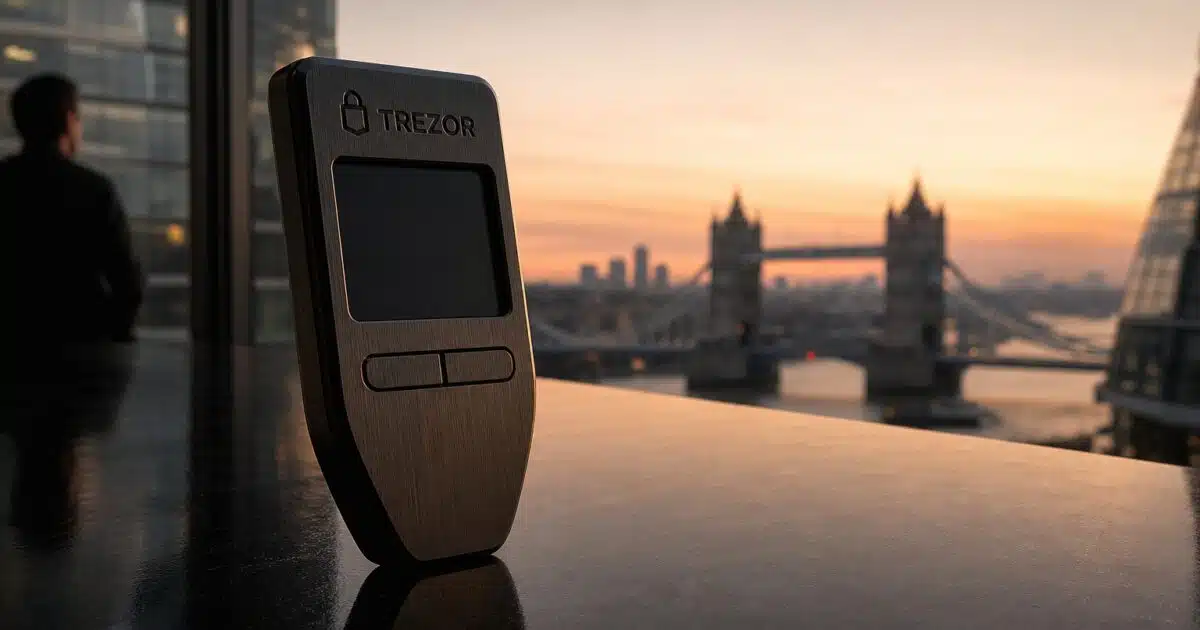
A third-party shipping provider leaked personal data belonging to 13,689 Trezor hardware wallet customers. Names, email addresses, phone numbers, and delivery addresses — all out in the open. Trezor’s own systems weren’t touched.
Why It Matters
The Trezor data breach underscores the vulnerabilities associated with third-party partnerships in the crypto industry, highlighting that even well-established hardware wallet providers are not immune to external risks. This incident may erode customer trust in Trezor's commitment to security, especially given the high stakes involved in protecting personal and financial information within the cryptocurrency space. As the industry continues to grapple with privacy and security challenges, incidents like these could lead to increased scrutiny and demand for more robust data protection measures across all service providers.
The breach didn’t come from Trezor’s servers or its devices. It came from a logistics company the hardware wallet maker uses to ship orders. Of those 13,689 affected clients, 11,742 had their full personal details exposed — name, email, phone, physical address. The remaining 1,947 lost only name and email. Customers are spread across the United States, United Kingdom, Sweden, Colombia, Brazil, Italy, and Portugal. The compromised orders all fall within a 90-day window before August 8. Trezor was quick to stress the one thing that matters most to crypto holders: wallets aren’t compromised. Private keys are safe. Recovery phrases weren’t part of the leak. No one’s losing their Bitcoin because of this breach — not directly, anyway.
But “not directly” is doing a lot of work there.
Why Exposed Addresses Are Still Dangerous
Crypto doesn’t need to be stolen from a wallet to cause damage. Fraudsters who get their hands on a customer’s name, phone number, and home address can build a convincing phishing attack fast. They know you own a Trezor. They know where you live. They can send an email that looks real, a text that sounds urgent, or even show up in person. That’s the actual risk here — not a direct hack, but the social engineering that follows a leak like this.
Trezor has seen this before. The company previously warned its user base about phishing emails targeting hardware wallet customers. It’s a recurring pattern in the hardware wallet space. Ledger faced a similar nightmare after its own customer database leaked years back, and the phishing campaigns that followed were relentless. Trust Wallet users have dealt with comparable threats. The pattern is consistent: steal the customer list, then go fishing.
Trezor is currently investigating alongside the logistics provider. Affected clients are being contacted directly. The company repeated one rule it considers non-negotiable — Trezor never asks a customer for their wallet backup or recovery phrase. If anyone receives a message claiming otherwise, it’s a scam. Full stop.
Anonymous Delivery Feature in the Works
Trezor is working on something called “Anonymous Delivery.” The idea is to limit how much personal information gets collected and shared during the shipping process. Fewer data points handed to third parties means fewer data points that can leak. Details on the feature are still scarce — no launch date, no specifics on exactly how it would work — but the direction is clear enough.
It’s a pretty obvious response to what just happened. If a logistics partner can expose 13,689 customers because they were holding that data, the fix is to stop giving logistics partners that data in the first place. Or at least as little as possible. Whether Trezor can pull that off while still actually delivering hardware to people’s doors is the real question. Unclear yet.
The broader point is harder to argue with. Hardware wallet companies spend enormous energy securing the devices themselves — the chips, the firmware, the cryptographic architecture. And then a shipping company gets breached and suddenly thousands of customers are exposed anyway. Security is only as strong as the weakest link in the chain, and the chain extends a lot further than the device in the box.
Trezor said it’s reviewing its partnerships and logistics processes. The company wants tighter data handling policies with third-party providers. It’s also revisiting data retention rules — basically, how long partners are allowed to hold customer information before deleting it. The breach probably accelerated that conversation.
For customers caught in the leak, the advice is straightforward: watch for suspicious emails, don’t click unexpected links, and don’t share your recovery phrase with anyone regardless of how official the request looks. Phishing attacks work because they’re personalized. Fraudsters with your name, your address, and the knowledge that you own a hardware wallet can craft something convincing. Skepticism is the only real defense right now.
Trezor’s handling of the disclosure has been fairly transparent — alerting clients quickly, being specific about what was and wasn’t exposed, and not trying to bury the fact that a third-party provider was the source. That’s not nothing. Companies in the crypto space have a mixed record on breach disclosure, and some have waited weeks or months before telling customers anything.
The 90-day order window matters too. Customers who bought a Trezor device recently are probably in this group. Anyone who placed an order in the months before August 8 should check whether they’ve received a notification from Trezor and stay alert regardless.
No wallet funds were lost. No private keys were exposed. But 13,689 people now have their home addresses sitting in someone else’s database.
Frequently Asked Questions
Were Trezor wallets or private keys compromised in the breach?
No. Trezor confirmed that wallets, private keys, and recovery phrases were not part of the leak. Only personal shipping data — names, emails, phone numbers, and delivery addresses — was exposed through the logistics provider.
Which countries had customers affected by the Trezor data leak?
Affected customers are located across the United States, United Kingdom, Sweden, Colombia, Brazil, Italy, and Portugal, based on orders placed within 90 days before August 8.