Community Trust ScoreVerified
The dollar dropped Monday. A sharp fall in oil prices rattled currency markets and pushed traders to rethink just how hard the Federal Reserve, Bank of England, and Bank of Japan will hit the brakes on their economies.
Oil got cheaper fast. And when oil gets cheaper, inflation pressure tends to ease — which means central banks don’t need to be quite so aggressive about raising rates. That logic ran straight through currency markets Monday, softening the dollar’s recent strength and sending investors scrambling to reprice their rate expectations ahead of a cluster of major policy meetings.
Oil Prices Drive the Dollar Lower
The drop in oil prices wasn’t subtle. It was notable enough to shift market sentiment in a meaningful way, pulling down the dollar after a period where strength in the greenback had been largely built on bets that central banks would keep hiking. Those bets are now shakier. Cheaper oil means less fuel for inflation — literally and figuratively — and traders pretty much immediately started adjusting their positions once the price move became clear.
It’s worth spelling out why oil matters so much here. Central banks have been watching energy prices closely because they feed directly into headline inflation numbers. When oil is expensive, inflation stays sticky, and rate-setters feel pressure to keep tightening. When oil falls, that pressure eases. So a sharp dip in crude can shift the entire calculus around monetary policy in a matter of hours. That’s basically what happened Monday.
Currency and bond markets both moved. Traders recalibrated strategies ahead of the upcoming central bank meetings, with the anticipation of potentially less aggressive policy driving adjustments across multiple asset classes. Volatility picked up as participants reset their expectations.
Three Central Banks, Three Big Meetings Ahead
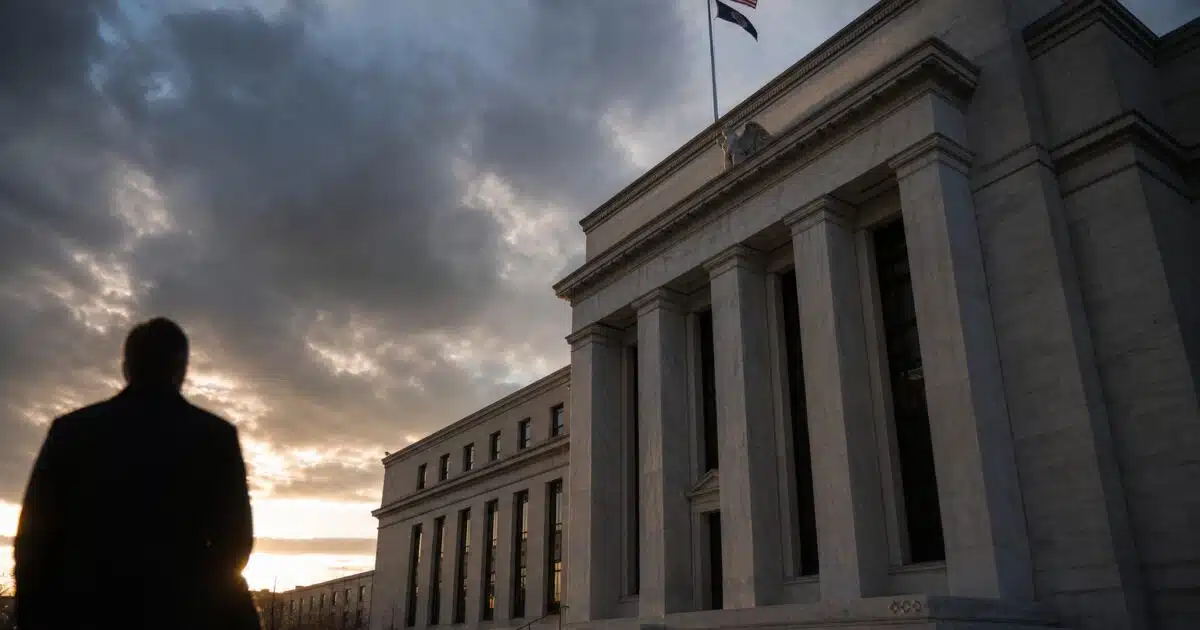
The Federal Reserve, Bank of England, and Bank of Japan all have policy meetings coming up. All three are being watched closely right now, and the oil price drop has added another layer of complexity to what were already complicated decisions.
The Fed’s meeting is probably the most closely scrutinized. Many analysts had been expecting a cautious approach even before Monday’s oil move, pointing to recent economic indicators that seemed to favor a slower pace of tightening. The oil price decline might reinforce that caution. Currency strategists are particularly focused on how the Fed reads the current data and whether officials signal any shift in their thinking about the pace and scale of future rate hikes.
The Bank of England and Bank of Japan are in similar positions. Both are expected to weigh global economic conditions — including what’s happening with oil — when they deliberate on policy. The BOJ has its own particular complications given its long-standing ultra-loose stance, but the broader point holds: cheaper oil changes the inflation math for everyone.
These meetings will be pivotal. They’ll set the tone for the second half of the year, and any unexpected signals from central bank officials could trigger further swings in currency markets. Traders are watching for any hint of a change in approach.
Not yet clear, though, is exactly how much weight each central bank will give to the oil price move versus other incoming data. Broader economic data releases between now and the meetings will matter too. Central banks tend to look at the full picture, not just one variable.
Markets on Edge Ahead of Policy Signals
The dollar’s decline on Monday was accompanied by a broader shift in investor sentiment. Traders reassessed the likelihood of significant rate increases, and that reassessment showed up quickly in how markets priced currencies and bonds. The interplay between oil prices and interest rate expectations is, at this point, one of the most critical dynamics driving financial markets.
Currency strategists are watching the dollar’s short-term trajectory carefully. The relationship between oil prices and inflation expectations plays a big role in shaping monetary policy, and any further moves in crude could trigger another round of position adjustments. Markets hate uncertainty, and right now there’s plenty of it.
So the environment heading into these central bank meetings is murky. Cheaper oil has complicated what central banks need to do. Traders have adjusted, but they’re still guessing. And the decisions made in the upcoming meetings — the guidance, the tone, the signals — could send ripple effects across global currency markets and shake investor confidence in ways that are hard to predict right now.
Economic data releases between now and the meetings will be parsed aggressively. Any number that seems to push central banks toward more or less aggression on rates will move markets. That’s the world traders are navigating.
The Fed’s meeting is expected to provide the most clarity on where U.S. monetary policy heads from here.
Frequently Asked Questions
Why did the dollar fall on Monday?
The dollar fell after a sharp drop in oil prices eased inflation expectations, leading traders to bet that the Federal Reserve, Bank of England, and Bank of Japan would be less aggressive with interest rate hikes at their upcoming meetings.
Which central banks have policy meetings coming up?
The Federal Reserve, Bank of England, and Bank of Japan all have upcoming policy meetings where interest rate decisions and future monetary policy guidance are expected to be discussed.