Community Trust ScoreVerified
Russia just shut it down. The Moscow region has banned all crypto mining activity, effective immediately, and the freeze runs until 2032 — a nearly decade-long halt that hits one of the country’s busiest digital currency hubs right where it hurts.
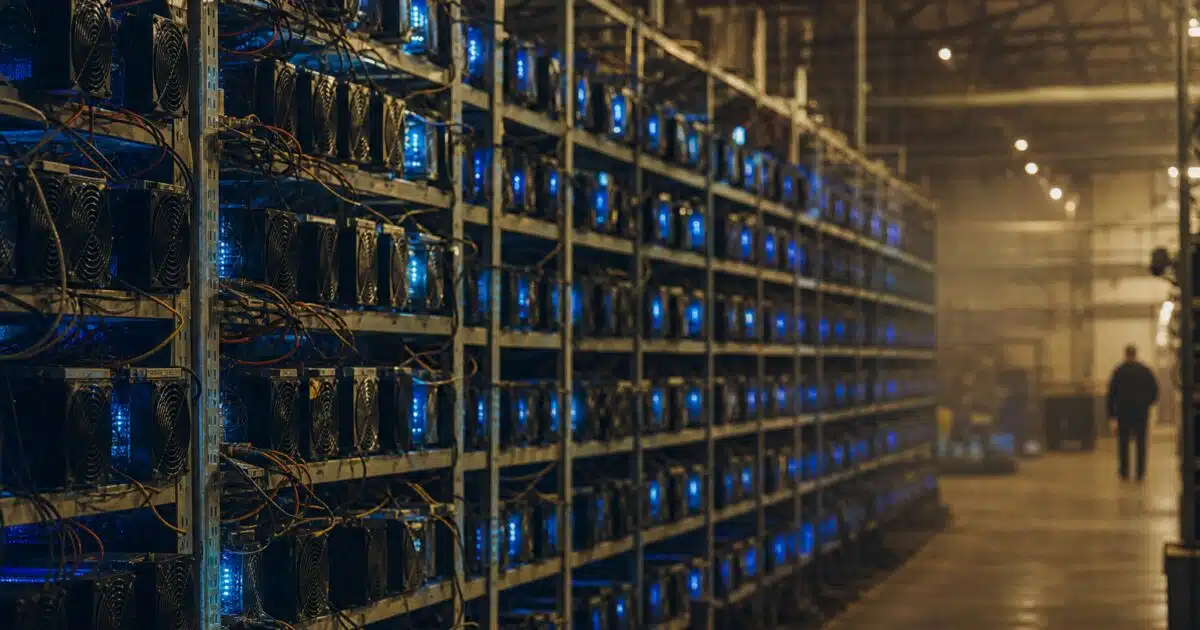
The trigger was power. Energy officials in the region had been watching electricity consumption from mining operations creep toward roughly 1 gigawatt — that’s a massive draw on any regional grid, and officials decided they’d seen enough. The decree, signed by regional authorities, points directly to that 1 GW figure as the core problem. Their fear isn’t just about today’s strain. It’s about what happens in two or three years if mining keeps scaling and the grid can’t keep up. Officials flagged mining as a critical contributor to potential energy deficits down the road, and the ban is their answer to that concern before the situation gets worse.
What 1 Gigawatt Actually Means
One gigawatt is not a small number. To put it in rough terms, that’s the kind of output you’d expect from a mid-sized power plant running at full capacity. For a single sector — crypto mining — to be pulling that much electricity in one region is the sort of thing that makes grid managers nervous. And Moscow’s grid managers clearly got nervous enough to push for a decade-long shutdown rather than a temporary cap or a phased reduction.
The decree doesn’t mess around with half-measures. It’s a full stop, not a slowdown. Mining operations in the region must cease. No grace period details have been made public, no carve-outs for smaller operations, and no mention of any transitional framework that would let miners wind down gradually. It’s basically: stop now, figure out the rest later.
And that “figure out the rest later” part is where things get murky.
Miners Left Without a Roadmap
The energy ministry hasn’t laid out how it plans to enforce the ban. No specific penalties for violations have been announced. No monitoring mechanism has been described publicly. For miners trying to figure out whether to relocate their rigs, sell their hardware, or just wait and see, that’s a pretty uncomfortable place to be.
Relocation is the obvious option for larger operations. Russia has other regions — Siberia, for instance — where electricity is cheaper and colder temperatures help with cooling costs, making mining more viable on both the energy and economics side. But picking up a large mining operation and moving it isn’t cheap or fast. It takes capital, logistics, and time. Smaller miners probably don’t have that flexibility.
There’s also no word on compensation. The decree, from what’s been made public, doesn’t include any provision for businesses that now face sudden shutdown. No buyout, no transition fund, nothing. Miners in the Moscow region are basically on their own to absorb the hit.
That’s a hard landing for an industry that had been growing fast. Crypto mining has expanded sharply across Russia over the past several years, with the country becoming one of the larger mining hubs globally after China cracked down on the sector. Moscow and its surrounding region attracted operations partly because of infrastructure access and partly because of the sheer density of industrial facilities that could be repurposed for mining. The ban cuts against all of that momentum.
Russia’s Broader Energy Calculation
It’s worth stepping back and looking at what the Russian government seems to be doing here. The Moscow region ban isn’t happening in a vacuum. Russia has been wrestling with how to handle crypto mining’s energy footprint for a while now. The sector’s growth has been fast enough that it’s started to genuinely compete with residential and industrial users for electricity in certain regions.
Officials have been pretty clear that energy security is the priority. And a 1 GW draw from one sector, in one region, is apparently past the threshold they’re willing to tolerate. The 2032 end date is interesting — it’s far enough out that it’s not a temporary pause. It signals that authorities want a long stretch of time to reassess the region’s energy situation before mining is allowed back in, if it ever is.
Whether other Russian regions follow Moscow’s lead isn’t clear yet. The decree is specific to the Moscow region, but it’s hard to imagine other regional governments not paying attention. If Moscow’s grid was straining under 1 GW of mining load, other densely populated areas could face similar pressure.
For now, the ban is in effect. Miners are out. The enforcement details are still missing. And the broader question of how Russia balances its interest in the crypto sector — the country has moved toward regulated use of crypto for international trade — against its domestic energy constraints doesn’t have a clean answer yet.
The energy ministry’s next move will matter a lot. Whether it publishes enforcement rules, offers any guidance to affected miners, or stays quiet will shape how the industry responds. So far, it’s stayed quiet.
The 1 GW figure remains the number everyone’s watching.
Frequently Asked Questions
Why did Russia ban crypto mining in the Moscow region?
Regional energy officials said mining operations were consuming approximately 1 gigawatt of electricity, raising fears that continued growth would strain the grid and cause electricity shortages in coming years.
How long does the Moscow crypto mining ban last?
The ban runs until 2032, making it a nearly decade-long halt on all crypto mining activity in the Moscow region, with no announced provisions for early reversal or compensation for affected miners.