Community Trust ScoreVerified
Elon Musk suggested that moving artificial intelligence computing infrastructure into space is becoming increasingly appealing, a proposal that gained traction following the November 3, 2026, US midterm elections.
The billionaire’s comments emerged as Democrats secured control of both chambers of Congress, reshaping the political landscape for technology regulation. Investors reacted to the election results on November 4, with shares of several AI-related businesses coming under pressure as markets reassessed the outlook for the sector.
Political Shifts in Washington and Texas
The 2026 midterm elections delivered significant changes in Washington, with the Democratic Party taking command of the legislative branch. This shift has led to increased evaluation of whether the new political environment will bring additional scrutiny to AI infrastructure spending, environmental impacts, and energy consumption.
Texas has become a focal point in this debate. Democrat Gina Hinojosa won the state’s gubernatorial election and has supported temporarily restricting new data center projects until stronger community protections are established. Large AI facilities require substantial electricity, cooling systems, land, and supporting infrastructure, prompting communities to question their effects on utility costs and local resources.
Engineering Challenges of Orbital Computing
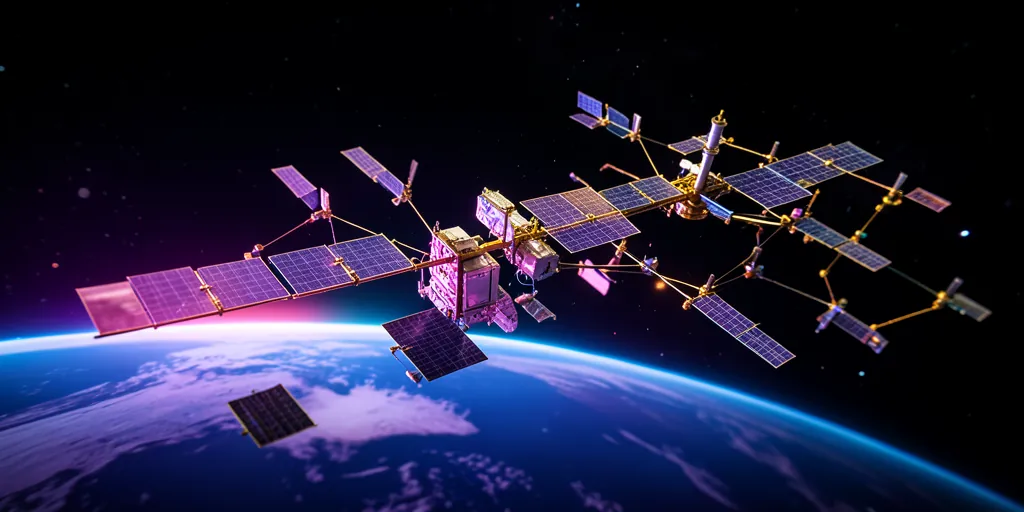
Musk’s proposal involves launching computing infrastructure into orbit, potentially using solar energy to power AI workloads. SpaceX has outlined ambitions involving satellite-based computing systems and reusable launch technology. In theory, orbital facilities could reduce pressure on terrestrial electricity grids.
However, significant engineering challenges remain. Computers generate heat, and removing that heat in space requires sophisticated thermal management systems. Obstacles to orbital data centers include launch costs, equipment maintenance, radiation exposure, and hardware replacement. Research published by the Brookings Institution states that orbital data centers raise important technical and governance questions that have not yet been fully resolved.
The concept is viewed as an ambitious long-term direction rather than an immediate solution to current AI infrastructure constraints. The proposal highlights the intersection of digital infrastructure evolution and the physical limits of terrestrial energy resources.
Impact on Bitcoin Miners and Energy Markets
The relationship between artificial intelligence and Bitcoin mining is becoming increasingly important as both industries require access to substantial electricity supplies and reliable infrastructure. As AI companies expand, some Bitcoin miners have started repurposing their facilities for high-performance computing. Keel Infrastructure, for example, shifted its US Bitcoin mining operations toward AI data centers.
This transition is expensive. VanEck issued a warning about a $50 billion AI funding gap, noting that converting mining facilities into advanced computing centers requires significant investment. Unlike centralized AI facilities, Bitcoin mining operations can sometimes adjust electricity consumption in response to changing power prices and grid conditions, providing a degree of flexibility that may offer opportunities for miners in suitable energy markets.
Analysts are monitoring potential restrictions on new US data centers, SpaceX’s progress toward orbital computing, and the financial performance of Bitcoin miners expanding into AI services. The coming months will reveal whether investors continue supporting aggressive AI infrastructure expansion or begin demanding more disciplined spending.
Frequently Asked Questions
What did Elon Musk suggest regarding AI data centers?
Elon Musk suggested that moving computing infrastructure into space is becoming increasingly appealing, proposing the use of orbital data centers powered by solar energy.
How did the 2026 US midterm elections affect AI infrastructure expectations?
Democrats secured control of both chambers of Congress, leading investors to evaluate whether the new political environment would bring additional scrutiny of AI infrastructure spending and energy consumption.