Community Trust ScoreVerified
Gov. Kathy Hochul signed legislation on Nov. 24, establishing a five-year ban in New York on children’s toys equipped with artificial intelligence companions. The law specifically targets products designed to form emotional relationships with children aged 12 or younger.
More coverage is filed under Regulations.
The restrictions become effective on Feb. 22, 2027, which is 90 days after the enactment date. Until that date, retailers are permitted to continue selling the affected products throughout the 2026 holiday shopping season.
Scope of the Restrictions
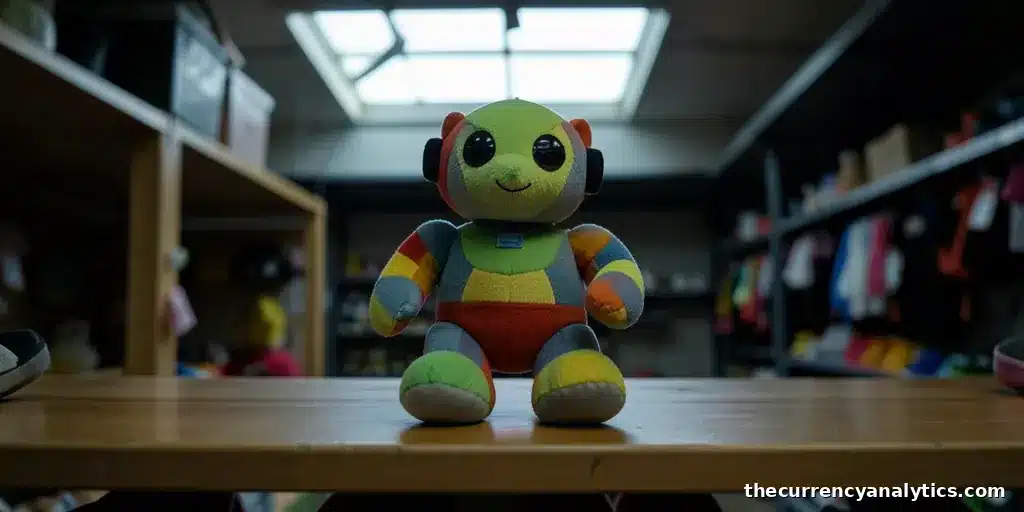
The law defines AI companions as products capable of remembering previous interactions and personal preferences. These systems can initiate unsolicited questions about emotions and maintain ongoing conversations about personal matters. The restrictions focus on internet-connected stuffed animals, dolls, and robots that engage children in personalized conversations.
Personalized conversations and persistent memory serve as the primary features differentiating these AI companions from traditional interactive toys. The legislation distinguishes them from conventional toys that respond only to specific commands or perform predefined educational and entertainment functions. The law does not target a toy’s physical design or branding; rather, it targets the combination of the toy’s intended audience and its conversational capabilities.
To determine if a product is intended for children aged 12 or younger, the law incorporates federal standards. These standards include product labeling, packaging, advertising, and consumer perceptions. The legislation also includes guidelines from the US Consumer Product Safety Commission.
Enforcement and Penalties
Once the restrictions take effect, businesses will be prohibited from manufacturing, selling, distributing, exchanging, or holding covered toys for sale in New York. The state’s attorney general can seek court orders to stop violations.
Civil penalties for non-compliance can reach $15,000 per day for each violation. Courts are authorized to grant relief without requiring proof that a child suffered harm. The law cites privacy and safety concerns as the basis for these measures.
Hochul urged parents and caregivers to consider privacy risks and potential exposure to inappropriate conversations when purchasing AI-powered toys during the holiday season. The Toy Association opposes moratoriums on AI companion toys, favoring further research to address child safety concerns. The organization plans to provide manufacturers and retailers with compliance guidance as it becomes available.