Bitcoin News

Story: Prediction Markets See First Block Trade as Institutions Jump In

By Julie Binoche

1 / 15

Why Block Trades Matter. Block trades weren't really a thing in prediction markets until now.

2 / 15

Regulations Finally Catching Up. U.S. regulators are creating clearer rules. For years, prediction markets existed in a gray…

3 / 15

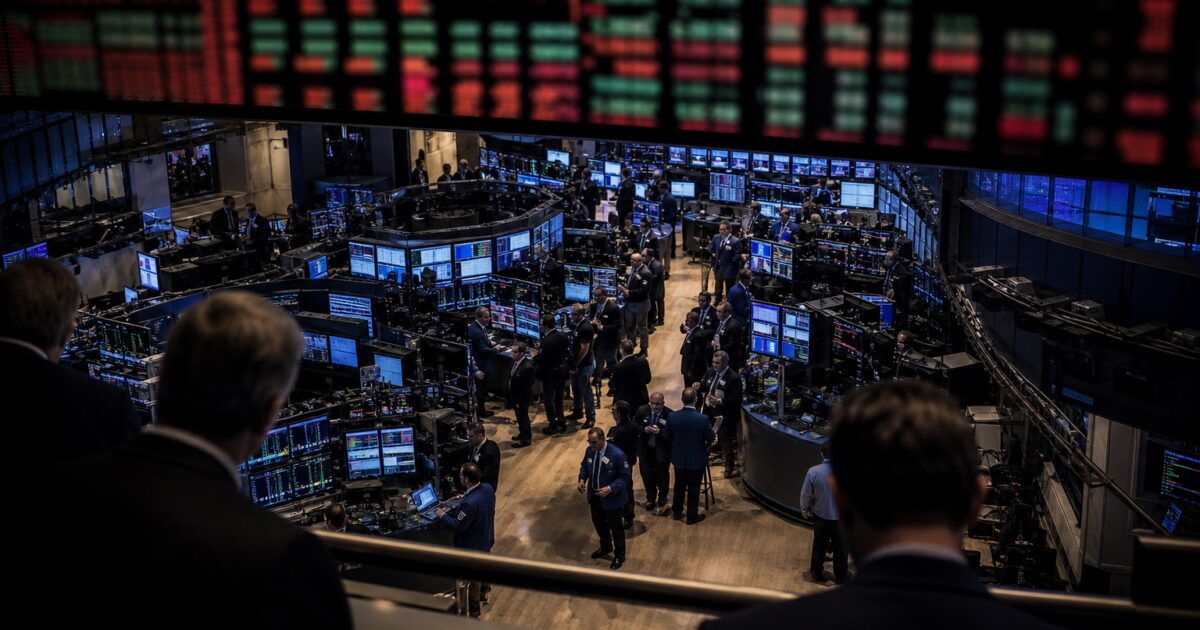
Institutional money just hit prediction markets. Hard.

4 / 15

The sector closed its first block trade, a pretty big deal for a space that's been mostly retail traders betting on elections and sports outcomes.

5 / 15

Block trades weren't really a thing in prediction markets until now. Retail traders dominate these platforms, throwing down bets on everything from presidential races to Fed rate…

6 / 15

The shift brings liquidity. More liquidity means tighter spreads, which means better prices for everyone.

7 / 15

U.S. regulators are creating clearer rules. For years, prediction markets existed in a gray zone—legal in some forms, sketchy in others.

8 / 15

The new guidelines don't open the floodgates completely. But they create a path. Institutions can now participate without worrying that regulators will show up later and call the…

9 / 15

And the timing makes sense. Prediction markets have grown a lot in the past few years, especially around elections.

10 / 15

Custom contracts are the other piece. These aren't your standard yes-or-no bets on whether Bitcoin hits $100K by year-end.

11 / 15

Read also: a16z Backs Kalshi and Polymarket as States Try Shutting Prediction Markets Down

12 / 15

A fund holding a bunch of tech stocks might use a custom contract tied to Fed policy outcomes.

13 / 15

The entrance of institutional players could reshape how prediction markets function. Retail traders react to news and vibes.

14 / 15

Block trades also mean less slippage for big orders. Before, if an institution wanted to bet big on an outcome, they'd have to break the order into smaller pieces and hope the…

15 / 15

But there's a catch. Institutional involvement might squeeze out some retail players. When big money shows up, spreads tighten and opportunities shrink.

The Currency Analytics

Want the full story?