Community Trust ScoreVerified
Over 34 million SHIB gone. And the burn rate is still going the wrong way.
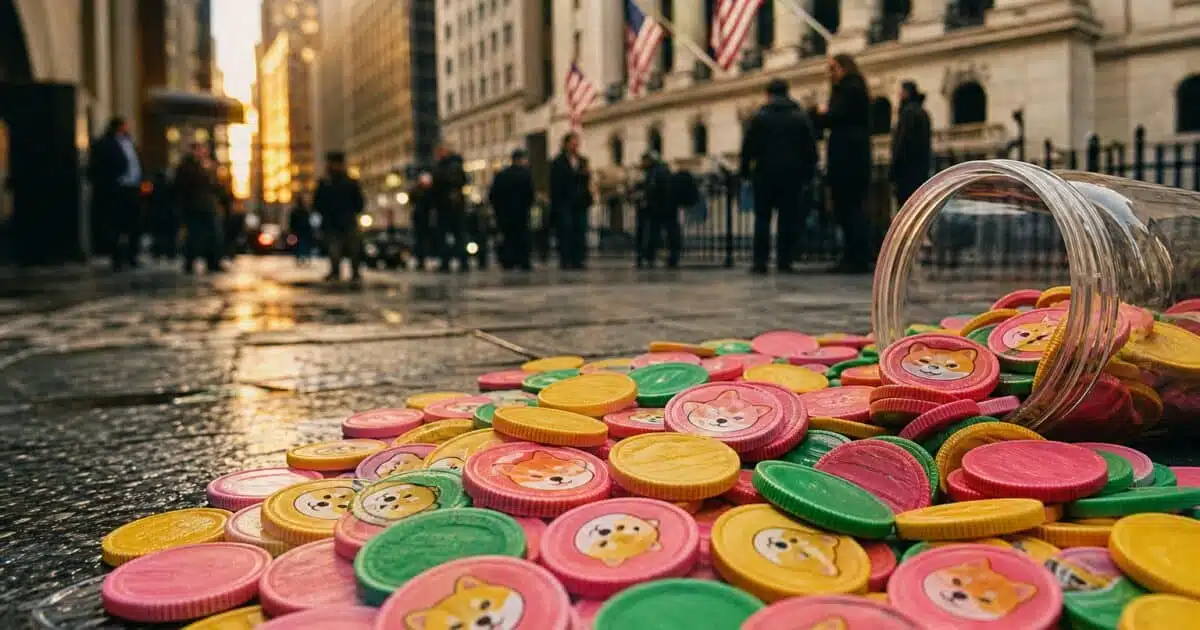
A total of 34,197,836 Shiba Inu tokens were destroyed in a recent burn event, but the overall burn rate for SHIB came out negative — meaning the pace of token destruction is actually slowing down, not picking up. It’s a weird disconnect. Big number, bad trend. The kind of thing that makes long-term holders nervous and short-term traders confused about what the data even means anymore.
Burn rate, for anyone who needs the quick version, measures how fast tokens are being removed from circulation relative to prior periods. A negative burn rate doesn’t mean tokens aren’t being burned — clearly they are. It means the rate of burning has dropped compared to recent activity. So you can torch 34 million SHIB and still post a negative number if last week or last month saw far more destruction. That’s basically where things stand right now.
Why the Burn Rate Numbers Don’t Add Up
The SHIB community has long treated token burns as a core part of its value strategy. The logic is pretty simple: fewer tokens in circulation, more scarcity, higher price per token. It’s the same playbook meme coin communities have run for years. And for stretches of time, it worked — or at least seemed to. Large burns would move the needle on the burn rate, and the community would celebrate the numbers.
But the current situation is murkier. Burning 34,197,836 tokens sounds significant. And in raw terms, it is. That’s not a rounding error. But the burn rate is still negative, which means whatever was happening before — higher participation, more frequent burns, bigger single transactions — isn’t happening at the same level now. The mechanics or the community engagement behind the burning process seem to have shifted. No one has spelled out exactly why.
There’s no statement from the Shiba Inu team addressing the gap. No new strategy has been announced. No explanation for why a burn of that size didn’t push the rate into positive territory. Unclear whether that silence is intentional or just a lag in communication, but it’s probably not helping sentiment.
What a Negative Burn Rate Means for SHIB Holders
For people holding SHIB, the negative burn rate is kind of a problem. The whole bet on burns working is that they compound — each one removes supply, tightening the float, nudging price upward over time. When the rate goes negative, that compounding story breaks down. It’s not catastrophic on its own, but it chips away at one of the main narratives the community uses to justify holding the token.
Investor perception matters a lot in meme coin markets. Maybe more than in any other corner of crypto. There’s no revenue to model, no protocol fees to discount, no earnings multiple to calculate. Price is driven almost entirely by belief, momentum, and narrative. A falling burn rate — especially one that doesn’t respond to a 34-million-token event — is the kind of data point that can quietly erode confidence.
And it’s not just about this one burn. The pattern matters. If previous periods saw large burns translate into higher rates, and now they don’t, something structural may have changed. Could be fewer wallets participating in burn transactions. Could be that the volume of burns happening outside the tracked events has dropped off. Could be something else entirely. The reasons remain unaddressed.
Community Faces a Strategy Problem
So what now? The SHIB community has built a lot of its identity around the burn mechanism. Tracker sites, community campaigns, social media countdowns — burns are a whole culture within the ecosystem. But culture doesn’t fix a negative rate.
Without a meaningful turnaround, the community will probably need to look at whether the current approach is actually working or whether it needs a rethink. That’s not a comfortable conversation for any token community to have. It means admitting that a central pillar of the value thesis isn’t performing the way it should.
No new strategies have been disclosed following this latest burn event. No roadmap update, no community vote, no announced changes to how burns are organized or incentivized. The gap between the tokens burned and the rate impact is sitting there, unresolved.
The 34,197,836 figure will likely get cited in community posts as proof of ongoing commitment. And technically, it is. Tokens were burned. That part happened. But the burn rate is still negative, and that number is harder to spin.
Frequently Asked Questions
How many SHIB tokens were burned in the most recent event?
A total of 34,197,836 Shiba Inu tokens were burned in the most recent reported burn activity.
What does a negative SHIB burn rate actually mean?
A negative burn rate means the pace of token destruction has declined compared to prior periods — even if a large number of tokens were still burned in absolute terms.