Community Trust ScoreVerified
Binance CEO Richard Teng issued an urgent warning via X (formerly Twitter), telling users to stay alert against this growing security threat. The alert follows a detailed Binance blog post published days earlier, which outlined how the scheme works and what traders can do to protect themselves.
A New Scam Targeting Crypto Traders
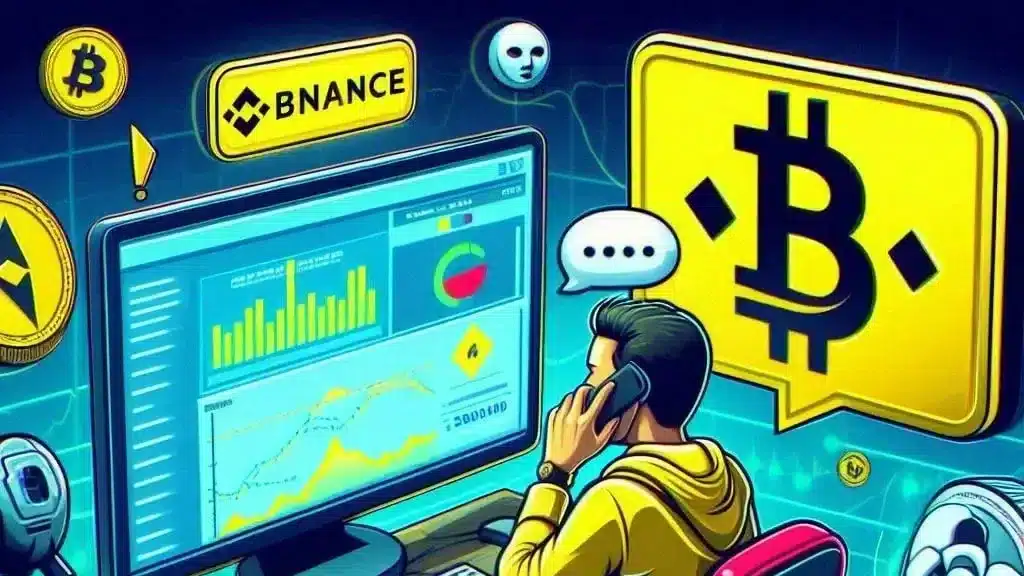
According to Binance, scammers are placing unsolicited calls to crypto traders while impersonating support staff. Using spoofed numbers and professional-sounding scripts, they attempt to convince users that urgent security issues require them to alter their API (Application Programming Interface) permissions.
The attackers then instruct victims to grant wider permissions—such as trading or withdrawal rights—under the pretext of “fixing” or “protecting” accounts. In reality, these changes allow criminals to drain funds directly from user accounts.
What makes this scam particularly dangerous is that the modifications originate from the victim’s own device. Since the activity comes from a trusted source, automated systems have difficulty distinguishing it from legitimate changes.
How the Fake Support Calls Work
Fraudsters follow a clear playbook to deceive victims:
-
Spoofed Caller IDs: Calls appear to come from Binance or an official-looking number.
-
Urgency & Pressure: Victims are told their funds are at risk or that suspicious activity must be stopped immediately.
-
API Manipulation: The scammers push users to update API settings, granting permissions that allow full control of their trading accounts.
-
Silent Drain: With access secured, attackers siphon funds—often in stablecoins like USDT—before victims realize what happened.
Reports suggest dozens of users have already lost amounts ranging from hundreds to thousands of dollars. The incidents spiked in late July, during a period of intense market activity when many traders were distracted by volatility.
Binance’s Response to the Scam
In his social media post, Richard Teng reminded users of a critical rule:
“We’ll never ask for your passwords or credentials over the phone. Stay vigilant.”
Binance has also taken proactive steps to counter the threat:
-
Risk Teams Monitoring: The exchange is actively tracking suspicious call activity and blocking malicious networks.
-
Security Enhancements: Binance continues to invest in account protection measures, including withdrawal whitelists, advanced AI-driven fraud detection, and real-time monitoring.
-
Public Awareness Campaigns: Through blogs and social media, the company is urging users to learn how scams work and avoid falling victim.
The message is clear—Binance will never make unsolicited calls to request sensitive account changes. Any such request is a red flag.
Lessons for Crypto Investors
The scam highlights a broader issue within the digital asset industry: the importance of user security awareness. While exchanges provide infrastructure and tools, the ultimate responsibility for account safety lies with traders themselves.
Experts recommend several best practices to reduce the risk of fraud:
-
Enable Two-Factor Authentication (2FA): Use authenticator apps instead of SMS codes.
-
Use Passkeys & Strong Passwords: Rotate credentials regularly.
-
Restrict API Permissions: Only grant permissions you absolutely need, and never enable withdrawals on third-party tools.
-
Monitor Account Activity Daily: Regular checks can catch unauthorized activity before losses snowball.
-
Beware of Urgency: No legitimate platform will pressure you to make immediate security changes over the phone.
By applying these measures, users can significantly reduce their exposure to impersonation scams.
The Bigger Picture: Trust and Resilience in Crypto
Fraudulent calls targeting Binance traders are just the latest evolution in crypto crime. Scammers have previously used phishing emails, fake websites, SIM swaps, and Telegram impersonations. Each attack underlines the same vulnerability: the human element.
Despite criticism that such incidents expose flaws in exchange security, industry advocates argue that education and vigilance remain the strongest defense. With proper awareness campaigns, combined with security innovations from exchanges like Binance, the effectiveness of impersonation attacks can be greatly diminished.
The crypto ecosystem thrives on trust, transparency, and resilience. By tackling scams head-on, platforms can build stronger defenses while empowering users to protect themselves.
Final Thoughts
The recent wave of fake Binance support calls is a reminder that scammers will always seek new ways to exploit crypto users. While Binance is moving quickly to block malicious actors, individual vigilance is essential.
For traders, the key lesson is simple: Binance will never ask for sensitive account changes by phone. Any call suggesting otherwise is a scam.
As the digital asset market grows, so will the risks—but with the right mix of exchange security and informed users, the community can stay ahead of fraudsters and keep crypto a safe space for innovation and investment.