Community Trust ScoreVerified
What happened
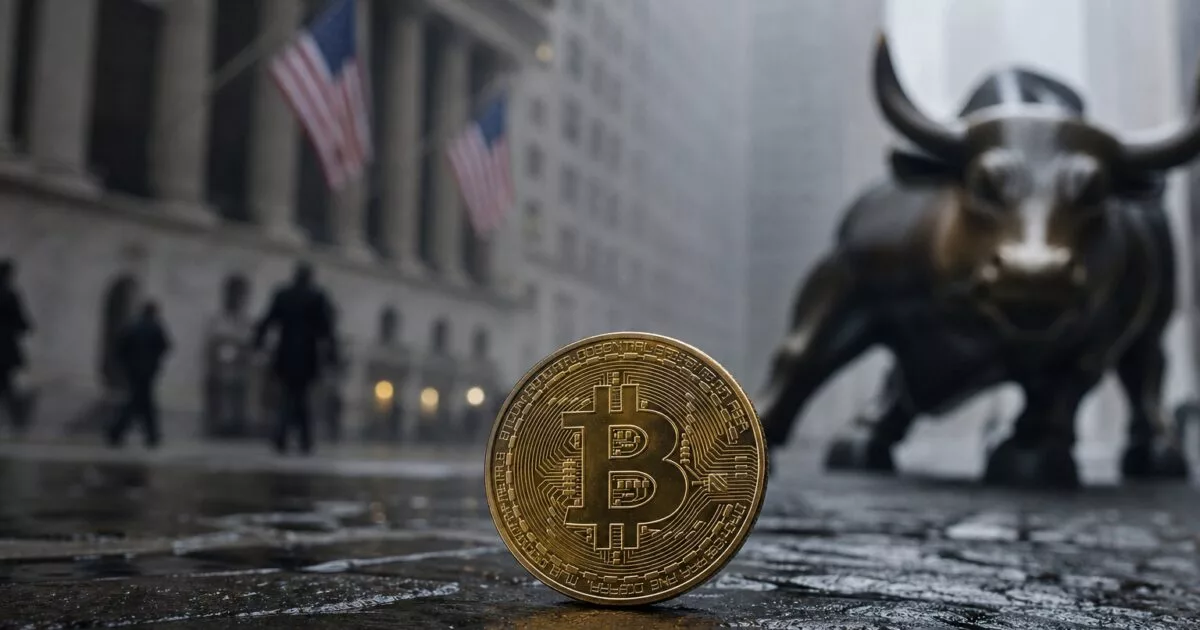
Bitcoin pushed past $63,000 on July 4 — its highest level in over a month. The move came after a rough end to June, and it caught a lot of traders off guard. XRP led the pack among major tokens, jumping 5% in a single 24-hour window. Both moves happened during one of the quietest trading sessions of the year.
Low volume days are tricky. There’s less money moving through the order books, which means individual trades carry more weight than usual. A relatively modest buy order can nudge prices meaningfully when the market is thin. And on a U.S. holiday, that thinness is pretty much guaranteed. So the question isn’t just what moved — it’s why anyone was pushing prices higher when most desks were dark.
No single catalyst has been pinned down. Unclear whether this was institutional positioning, retail enthusiasm, or something more mechanical. Probably a mix.
The historical context
Bitcoin has done this before. During the 2020 Thanksgiving holiday, it posted a sharp jump driven by low liquidity and a surge in retail interest. The 2017 Christmas rally told a similar story — Bitcoin was approaching record highs then, and thin holiday trading seemed to amplify every move. That’s kind of the pattern: fewer participants, bigger swings, more noise around the signal.
The end-of-June losses that preceded this week’s recovery also fit a familiar script. Back in early 2018, Bitcoin fell hard from its peak and then spent months grinding back. The recovery wasn’t clean or fast, but it came. Crypto markets have a cyclical rhythm — sharp drops, slow rebuilds, occasional violent reversals. Traders who’ve been around long enough know to watch the recoveries as carefully as the crashes.
That context matters here. Bitcoin climbing back above $63,000 after June’s slide isn’t just a number. It’s a data point in a longer pattern of corrections followed by renewed buying interest. Whether this one holds is a separate question.
But the pattern is real.
Why it matters
For long-term holders, a move like this is reassuring. It’s the kind of price action that reinforces the case for Bitcoin as a resilient asset — one that can absorb a rough month and bounce without needing a major news catalyst. Institutions watching from the sidelines probably noticed.
For active traders, the thin-volume environment cuts both ways. Yes, prices moved fast. But that same low liquidity that lets prices run higher can also let them fall hard. Anyone caught on the wrong side of a holiday trade with limited exit options knows how brutal that gets. The opportunity is real. So is the risk.
XRP’s 5% gain is worth a separate look. The token has been navigating ongoing legal uncertainty for years, and the market keeps finding reasons to buy it anyway. A 5% move in a day, leading major cryptocurrencies during a quiet session, says something about sentiment. Traders aren’t waiting for full legal clarity before taking positions. They’re betting on momentum and perceived resilience — and right now, XRP has both.
The synchronized gains across Bitcoin and XRP probably aren’t a coincidence. When two major tokens move together during low-volume conditions, it often means broader sentiment is shifting, not just one asset catching a bid. Traders seem to be reading the same signals and responding in the same direction.
What to watch
1. Bitcoin’s trading volume over the next 14 days — a sustained move above $100 billion daily would point to genuine institutional follow-through, not just a holiday blip.
2. XRP’s price action relative to any updates in its legal proceedings — the 5% jump during a quiet session is notable, but consistency around court developments would tell a clearer story about where conviction actually sits.
3. Ethereum and major altcoins — if they start moving in correlation with Bitcoin, say a 10% climb in tandem, that’s a broader market confidence signal, not just Bitcoin-specific momentum.
The thin trading on July 4 didn’t kill the move. It maybe helped it. Strategic investors — the ones who’ve been around long enough to know how holiday sessions behave — may have used the quiet to build or exit positions without fighting heavy order flow. That’s not manipulation. That’s just knowing how markets work.
What’s harder to read is whether the buying pressure sticks once normal volume returns. Bigger trading days have a way of stress-testing holiday rallies. Prices that ran on thin air sometimes give it back fast when real liquidity shows up.
Hub: XRP price, news, and analysis
Bitcoin’s back above $63,000. XRP gained 5% in a day. The market moved on a holiday with almost nobody watching — and that’s exactly the kind of thing worth paying attention to.