Community Trust ScoreVerified
Bitcoin’s recent surge to $94,500 on Tuesday was short-lived, failing to maintain momentum as it encountered resistance that has consistently held back its advance over the past weeks. This resistance is a familiar hurdle for the cryptocurrency, which has seen fluctuating interest from both institutional and retail investors. Despite hopes for a sustained breakout, Bitcoin’s rally fizzled, resulting in a broader pullback across the crypto market.
The digital currency’s inability to breach this resistance has implications beyond just price fluctuations. It signals potential skepticism among investors, who may be apprehensive about Bitcoin’s future performance without significant catalysts to push it higher. Historically, Bitcoin’s price has often been influenced by macroeconomic factors, regulatory decisions, and shifts in market sentiment. As the most recognized cryptocurrency, Bitcoin’s stability—or lack thereof—often sets the tone for the altcoin market.
In the aftermath of Bitcoin’s failed breakout, other major cryptocurrencies like Ether, Dogecoin, and Solana experienced notable declines. Ether, the second-largest cryptocurrency by market capitalization, saw its price dip significantly. This drop reflects a broader trend in the altcoin sector, where many digital assets often mirror Bitcoin’s trajectory due to market interdependencies. Ether’s performance is particularly significant as it underpins the Ethereum network, which supports a vast array of decentralized applications and smart contracts, making its price movements crucial to the ecosystem.
Dogecoin and Solana also experienced downturns, contributing to the overall bearish sentiment in the market. Dogecoin, initially created as a joke, has gained a substantial following and fluctuates wildly based on social media trends and endorsements from high-profile individuals. Solana, on the other hand, is a platform known for its high throughput and low transaction costs, attracting developers and projects alike. Its price volatility indicates how newer blockchain networks are still grappling with establishing a stable market presence amidst competitive pressures.
The current market conditions highlight the volatility inherent in cryptocurrency investments. Investors are constantly balancing the potential for high returns with significant risks, particularly as external factors such as regulatory changes and technological advancements continue to evolve. While the promise of decentralized finance and blockchain technology remains compelling, the path to widespread adoption and stability is fraught with challenges.
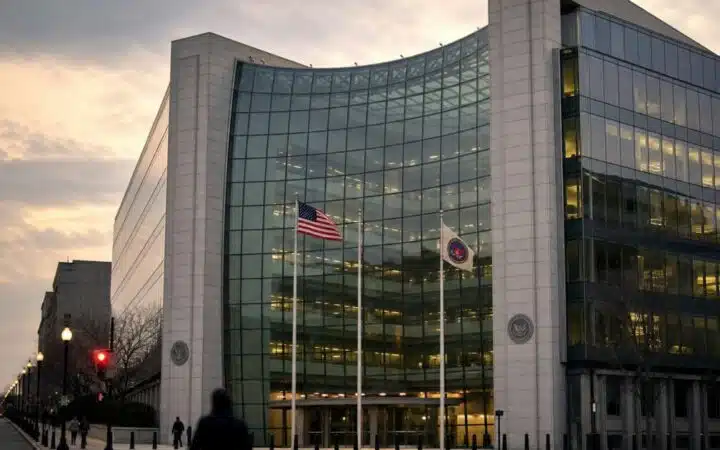
Adding complexity to the situation is the regulatory environment surrounding cryptocurrencies, which remains in flux globally. In recent years, major economies like the United States and China have intensified their scrutiny of digital currencies, focusing on issues like taxation, legal compliance, and consumer protection. In the U.S., regulatory bodies have been deliberating over the need for more comprehensive frameworks to manage the risks associated with cryptocurrencies, including market manipulation and the use of digital assets in illicit activities. This regulatory uncertainty can deter investors and developers alike, impacting market dynamics significantly.
Amidst these challenges, some analysts remain optimistic about the long-term prospects of the crypto market. They argue that blockchain technology’s potential to revolutionize industries such as finance, supply chain, and real estate is undeniable. The growth of decentralized finance (DeFi) platforms, which offer traditional financial services without the need for intermediaries, exemplifies the transformative possibilities of blockchain technology. Moreover, the increasing interest in non-fungible tokens (NFTs) and the metaverse suggests new avenues for digital assets to gain traction.
Despite these promising developments, it’s essential to consider the risks that could undermine the growth of the crypto market. The nascent nature of blockchain technology means that security concerns, such as hacking incidents and smart contract vulnerabilities, remain prevalent. High-profile breaches, where significant sums of cryptocurrency are stolen, can erode trust and lead to increased market skepticism. Additionally, the environmental impact of crypto mining operations remains a contentious issue, influencing public perception and regulatory responses.
In an international context, countries are approaching cryptocurrency regulation and innovation with varying degrees of enthusiasm and caution. For instance, while El Salvador has embraced Bitcoin as legal tender, aiming to leverage it for financial inclusion and economic growth, other countries remain wary, focusing on potential risks to monetary stability and investor protection. This divergence creates an uneven playing field for cryptocurrency adoption and development.
Market observers also highlight the importance of technological innovations in driving the next wave of cryptocurrency adoption. Developments in blockchain scalability, privacy enhancements, and interoperability solutions could address current limitations and attract a broader user base. However, these advancements must be accompanied by robust security measures to ensure user trust and safeguard financial assets.
As the year progresses, the performance of Bitcoin and other cryptocurrencies will likely depend on a mix of internal technological advancements and external regulatory developments. Investors and enthusiasts will need to keep a close eye on market trends, technological innovations, and policy changes to navigate the complexities of the crypto landscape effectively. While the road ahead is uncertain, the potential for growth remains substantial, given the transformative nature of the technologies underpinning digital currencies.