Community Trust ScoreVerified
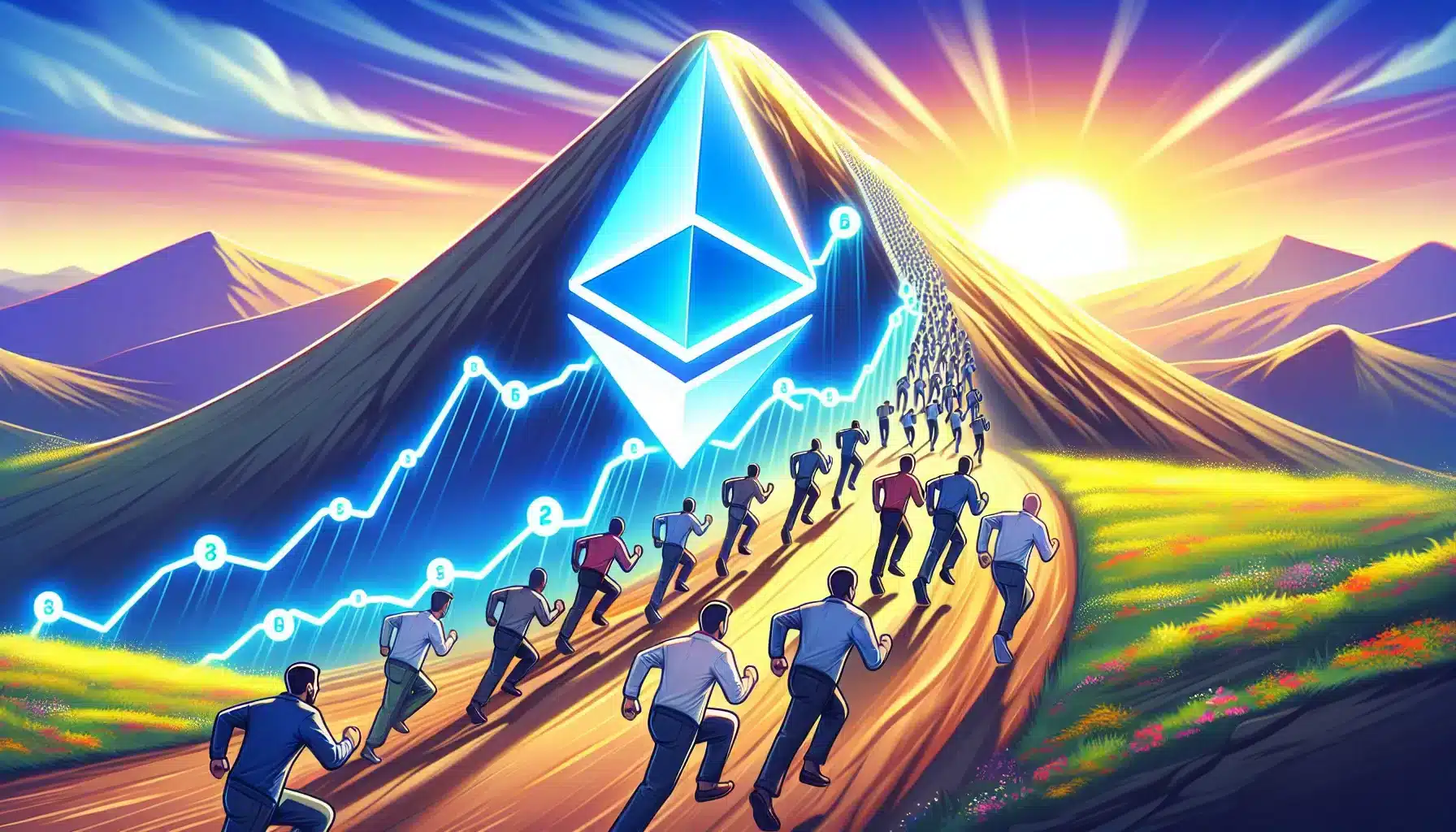
Ethereum’s major investors ramped up their acquisition efforts this week, coinciding with a notable recovery in cryptocurrency prices following a significant downturn earlier. On Monday, the market experienced substantial liquidations that wiped out a considerable amount of value, but the rebound has enticed large holders to re-enter, or increase their stakes in, the Ethereum market.
In the wake of these events, Ethereum whales—entities or individuals holding large quantities of the cryptocurrency—began to make substantial purchases. This activity is a critical factor in the market, as these investors are capable of influencing price movements due to their extensive holdings. Their renewed interest suggests confidence in Ethereum’s resilience and potential for growth, bolstering the perception that the recent sell-off was a temporary setback rather than a sign of a long-term decline.
Ethereum, the world’s second-largest cryptocurrency by market capitalization, has a history of volatility. Its value is often influenced by broader market trends, regulatory news, and technological advancements in the blockchain space. The recent recovery comes amid a backdrop of continuing interest in decentralized finance (DeFi) and non-fungible tokens (NFTs), both of which primarily operate on the Ethereum network. These sectors have been pivotal in driving demand for Ethereum, as they offer innovative financial products and digital asset ownership mechanisms that traditional systems cannot match.
Despite the optimism following this week’s rebound, the cryptocurrency market remains inherently risky. Regulatory uncertainties continue to loom large, as governments worldwide are grappling with how to manage and oversee digital assets. In particular, increased regulatory scrutiny could pose a challenge for the sustained growth of cryptocurrencies like Ethereum. For instance, recent discussions within the European Union and the United States emphasize the need for tighter regulations to prevent fraud and ensure investor protection, which could potentially impact trading volumes and market enthusiasm.
Historically, the cryptocurrency market has seen numerous cycles of booms and busts. While the recent purchase activities by Ethereum whales might indicate a prosperous phase ahead, potential investors should be cautious. The market’s unpredictability is notorious, and external factors such as economic shifts or policy changes can rapidly alter sentiment and valuations.
The technology underpinning Ethereum is continuously evolving. Ethereum 2.0, an upgrade aimed at enhancing scalability and efficiency through a proof-of-stake consensus mechanism, is designed to address some of the network’s current limitations. This transition is anticipated to significantly reduce energy consumption compared to the existing proof-of-work model, aligning with global trends toward sustainability. The successful implementation of Ethereum 2.0 could further solidify Ethereum’s position in the cryptocurrency ecosystem, offering a more robust infrastructure for future development and adoption.
Simultaneously, Ethereum’s role in the burgeoning NFT market cannot be overstated. The explosive growth of NFTs has introduced new audiences to Ethereum, as artists, musicians, and creators seek to monetize their work through unique digital tokens. This trend not only increases demand for Ethereum but also highlights its versatility as a platform for diverse applications beyond simple transactions, fostering a vibrant ecosystem of innovation.
Nevertheless, the path forward is not without hurdles. Network congestion during peak periods has long been a criticism of Ethereum, leading to high transaction fees and slower processing times. Competing blockchains, such as Solana and Binance Smart Chain, offer alternative platforms with lower fees and faster transactions, posing a competitive threat to Ethereum’s dominance. The success of Ethereum 2.0 in addressing these issues will be crucial in maintaining its leadership and user satisfaction.
In addition to technical challenges, Ethereum faces competition from other financial technologies and platforms. Central bank digital currencies (CBDCs), which are being explored by various nations, could provide a state-backed alternative to cryptocurrencies, potentially impacting their adoption and prevalence. Moreover, traditional financial institutions are increasingly integrating blockchain technology into their operations, offering cryptocurrency-related services that could sway users away from decentralized platforms.
Despite these challenges, the fundamental drivers of Ethereum’s value remain strong. Institutional interest appears to be growing, with major banks and investment firms exploring ways to incorporate Ethereum into their portfolios and service offerings. This trend is indicative of a broader acceptance and recognition of Ethereum’s potential as a transformative technological and financial tool.
Looking ahead, Ethereum’s trajectory will likely depend on a complex interplay of technological advancements, regulatory developments, and market dynamics. While the current uptick in whale purchases signals confidence, investors should remain vigilant and informed, ready to navigate the ever-evolving landscape of digital assets. As Ethereum continues to innovate and adapt, its ability to overcome challenges and leverage opportunities will determine its place in the future of finance and technology.