Community Trust ScoreVerified
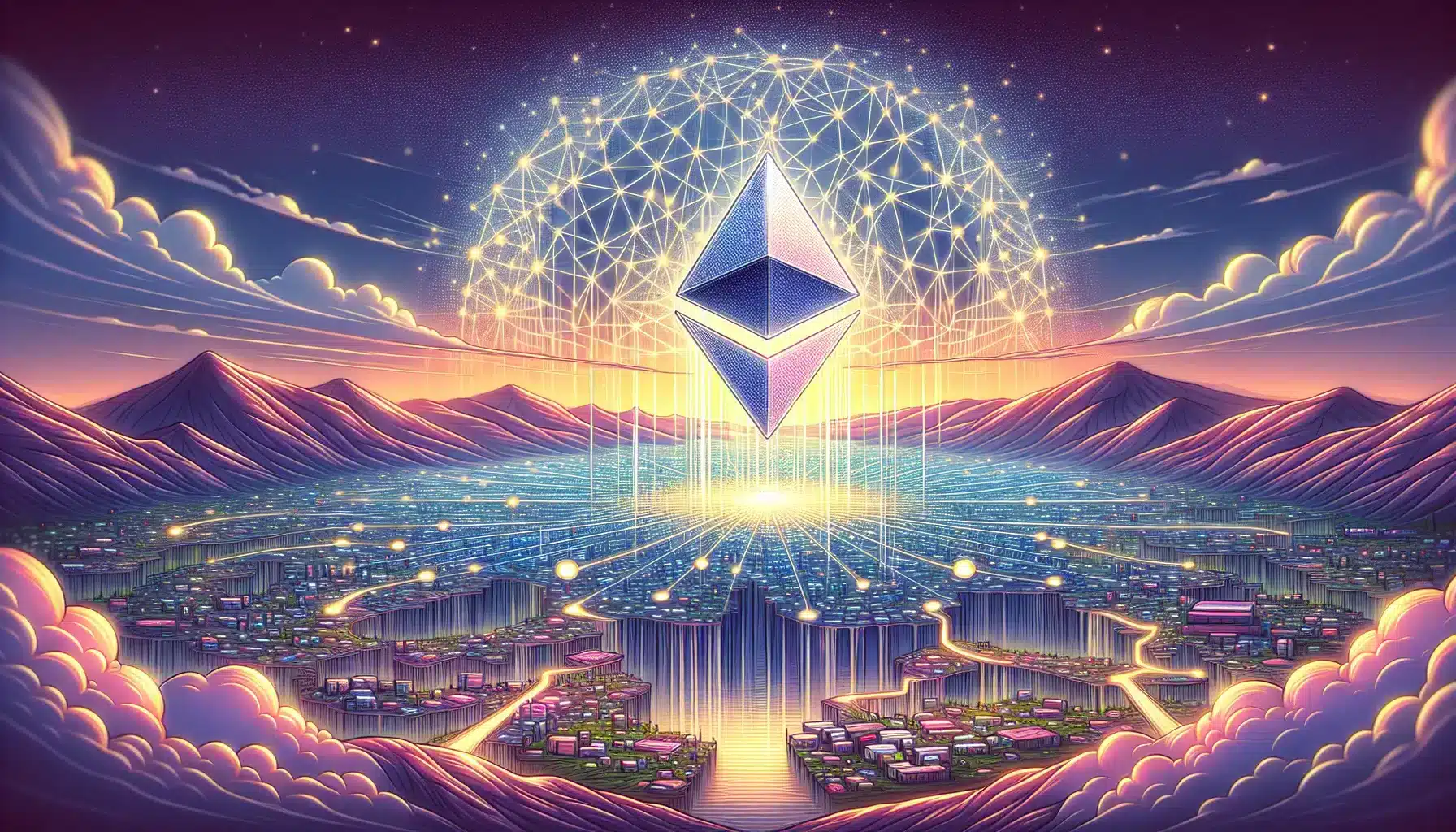
As of December 2025, Ethereum’s Layer 2 (L2) solutions have significantly impacted the blockchain landscape by processing more transactions than Ethereum’s core network. This transformative shift raises questions about Ethereum’s continued dominance as a top-tier investment. Despite these advancements, market confidence in Ethereum itself remains steadfast, reflecting the cryptocurrency’s pivotal role in the evolving digital economy.
Ethereum’s core network, known for its versatility in supporting decentralized applications (dApps) and smart contracts, has long faced challenges related to scalability and high transaction fees. These issues prompted the development of L2 solutions, which aim to enhance transaction throughput and reduce costs by handling transactions off the main Ethereum chain. Rollup technologies, such as Optimistic and ZK-Rollups, lead this innovation, offering more efficient and cost-effective ways to use the Ethereum network without compromising security.
Over the past year, data has shown that L2 solutions have outpaced Ethereum’s main network in transaction volume. This development highlights the growing importance of L2 in reducing congestion and improving user experience on Ethereum’s platform. While some might see this as a sign of Ethereum’s weakening grip, analysts argue that it showcases the ecosystem’s flexibility and capacity for growth. Ethereum’s ability to integrate these L2 solutions demonstrates its adaptability and commitment to overcoming its inherent limitations.
However, Ethereum’s intrinsic value is far from threatened. Instead, these L2 solutions complement and fortify its base network, enhancing its utility and appeal to developers and users alike. Ethereum remains the backbone of a robust ecosystem of decentralized finance (DeFi), non-fungible tokens (NFTs), and myriad blockchain applications. As such, it continues to attract developers, ensuring a steady stream of innovation and use cases that reinforce its market position.
The financial markets have taken note of these developments. Despite the rise of L2 solutions, investment in Ethereum has not wavered. Analysts cite Ethereum’s market capitalization, which remains in the hundreds of billions, as a testament to its enduring allure. Investors remain confident in Ethereum’s long-term value proposition, betting on its potential to evolve and maintain its dominance in the blockchain space.
Ethereum’s role as a major player in the crypto market is cemented by its vast developer community and the rapid expansion of its ecosystem. Ethereum 2.0, a major network upgrade currently underway, promises to further enhance the network’s scalability and security through the implementation of proof-of-stake (PoS) consensus, reducing reliance on energy-intensive proof-of-work (PoW) systems. This upgrade is pivotal in positioning Ethereum to meet future demands and sustainability goals.
Moreover, Ethereum’s established reputation and widespread adoption provide a level of assurance that newer projects and solutions cannot easily replicate. Its deep integration into the broader financial and technological infrastructure, including partnerships with major corporations and financial institutions, further bolsters its status. The network’s ability to facilitate a range of complex smart contracts and decentralized applications remains unmatched, securing its place as a critical component of the global blockchain framework.
While the advances in L2 technologies signify a promising future for Ethereum, they also introduce new complexities and risks. The reliance on L2 solutions for scalability may lead to centralization if a few dominant L2 providers capture most of the transaction volume. This potential concentration of power could undermine the decentralized ethos that is central to blockchain technology. Additionally, the interoperability between Ethereum and its L2 solutions must be seamless to maintain user trust and avoid potential security vulnerabilities.
From a broader perspective, Ethereum’s sustained relevance amidst the L2 surge also highlights the maturation of the cryptocurrency market. As digital assets become more mainstream, investors are increasingly discerning, favoring projects with established track records and robust technological foundations. In this context, Ethereum’s resilience and continued development make it an appealing choice for those seeking stability and growth potential in the volatile crypto landscape.
Interestingly, Ethereum’s journey mirrors historical technological trends where disruptive innovations eventually integrate within existing frameworks, enhancing rather than replacing them. Much like the evolution of the internet from dial-up connections to high-speed broadband, Ethereum’s embrace of L2 solutions exemplifies how foundational technologies can adapt to changing needs and expectations.
Looking forward, Ethereum’s path is likely to be shaped by its ability to harness L2 innovations while preserving its foundational strengths. The ongoing Ethereum 2.0 upgrade is expected to play a crucial role in this endeavor, further increasing network efficiency and environmental sustainability. As Ethereum continues to evolve, maintaining a balance between innovation and core values will be key to sustaining its leadership in the crypto space.
The rise of Layer 2 solutions represents both an opportunity and a challenge for Ethereum. On one hand, these solutions provide the scalability needed to support the network’s growing user base and transaction volume. On the other, they demand careful integration to ensure security and decentralization are not compromised. Navigating these complexities requires strategic foresight and a commitment to maintaining Ethereum’s foundational principles.
In conclusion, while Layer 2 solutions have reshaped the transactional dynamics of the Ethereum ecosystem, they have not diminished Ethereum’s stature as a valuable asset. The ongoing development of Ethereum 2.0 and its deep integration into global financial systems underscore its potential to continue as a leading force in blockchain technology. As the digital landscape evolves, Ethereum’s adaptability and innovation are expected to secure its position as a cornerstone of the crypto economy.