Community Trust ScoreVerified
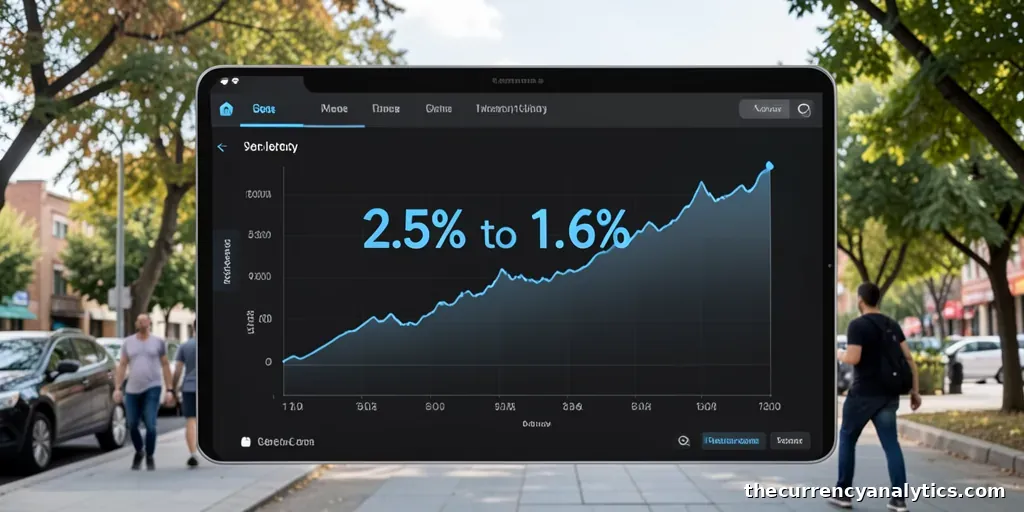
NEAR Protocol’s House of Stake (HoS) has ratified HSP-029, a governance proposal designed to lower the network’s maximum token issuance rate from 2.5% to 1.6% over the next 24 months. The change passed with 99.96% of votes in favor and did not face a veto from the Security Council.
More coverage is filed under Altcoins.
The proposal is currently in a grace period of one full quarter before it can take effect. Once active, the issuance cap will decrease in each epoch. If implemented as planned, HSP-029 would prevent the issuance of 11.8 million NEAR tokens over the next two years compared to maintaining the current 2.5% cap.
Issuance mechanics and rewards
The existing breakdown of token distribution will remain unchanged under the new rules. Staking participants will continue to receive 90% of the issued tokens, while NEAR’s treasury will receive the remaining 10%. However, the reduction in the gross issuance rate means that gross staking rewards will decrease for validators and participants.
For the proposal to go into effect, a network upgrade must be implemented and passed by validators. Analysts note that while the supply shock is significant, it is unlikely that HSP-029 will cause an immediate shift in demand for the token.
Price action and technical levels
NEAR is currently trading around $3.09, having rebounded from the November low near $2.60. The token has broken above its long-term moving average, which sits near $3.00. For buyers to solidify their foothold, prices need to hold above the $3.00–$3.10 support area.
The next immediate hurdle for NEAR is the resistance zone between $3.20 and $3.30. Beyond that level, moving averages near $3.45–$3.75 present a stronger barrier. The token’s trend remains pressured following a drop from its October high near $5.90, despite early signs of stabilization.
Momentum has started to improve, as indicated by the Relative Strength Index (RSI) moving away from oversold territory. However, the RSI still sits below 50, and shorter- and medium-term moving averages continue to slope downwards, lying above current prices. A confirmed reversal would require sustained price action above resistance levels accompanied by increased trading volumes. If sellers gain control and push prices back below $2.80, the November low near $2.60 could come back into focus.