Community Trust ScoreVerified
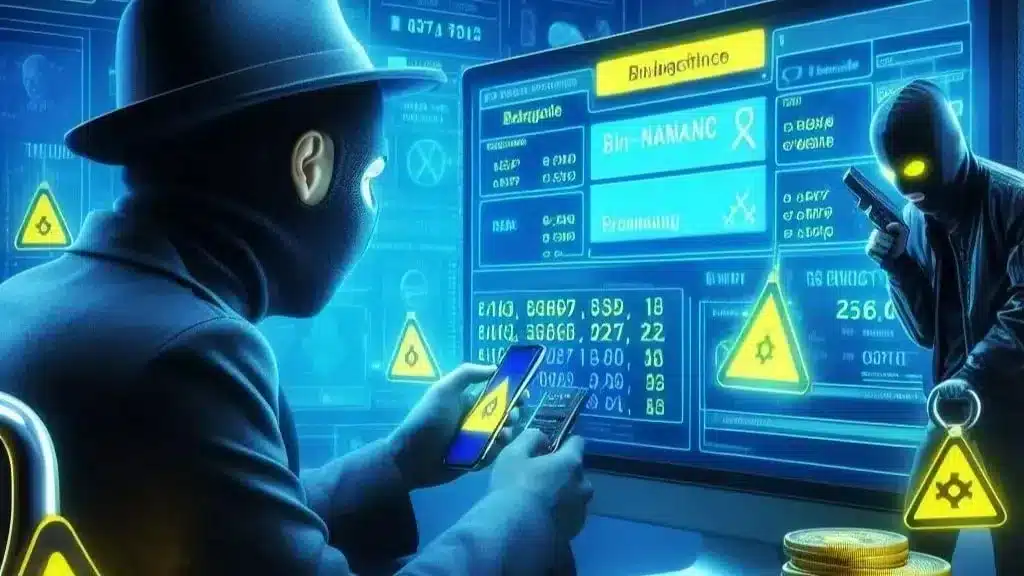
Binance has sounded the alarm over a new phishing campaign that is targeting its users worldwide. The exchange reported a sharp rise in fraudulent SMS messages that pretend to be official security alerts, urging recipients to act quickly by clicking links or calling phone numbers controlled by scammers.
What makes this scam especially dangerous is the way the messages appear. They show up on a victim’s phone under the name “Binance,” making them look identical to legitimate texts the exchange sends for account verification or security purposes. This small but crucial detail gives users the impression that the alert is genuine, increasing the chances that they will comply with the instructions.
A Familiar Yet Effective Scam Strategy
The core of the scheme relies on an old trick: generating fear and urgency. Victims are told their account has been locked, is under threat, or that a withdrawal request has been made without authorization. The texts then provide instructions to “resolve” the issue, either by dialing a fake hotline or by clicking a malicious link.
Those who follow through are often led to carefully designed phishing websites that mimic Binance’s official login page. Once users type in their details, scammers immediately gain access to their accounts. In some cases, victims who call the bogus support number end up speaking with convincing fraudsters posing as Binance staff. These impostors use high-pressure tactics to extract sensitive information, such as passwords, two-factor authentication codes, or even seed phrases.
The fact that the texts arrive in the same message thread as Binance’s legitimate communications makes them even harder to spot. Many users are unaware that SMS sender IDs can be manipulated, giving fraudsters an easy way to impersonate trusted companies.
Binance Issues Official Guidance
In its official security notice, Binance reminded its customers that the platform will never request sensitive details such as seed phrases, private keys, or two-factor authentication codes via text, email, or phone call. The company also made it clear that it does not ask users to click on links or call phone numbers to resolve account issues.
Instead, Binance urged anyone who receives such messages to ignore them and immediately log in directly through the official Binance app or website to check their account status. Users should also report any suspicious communication to the platform’s security team to help track ongoing scams.
A Wider Problem Across the Crypto Industry
While Binance is the latest target, phishing attempts of this kind are affecting the crypto industry at large. As more people enter the digital asset space, scammers are finding increasingly sophisticated ways to exploit investor inexperience and fear.
Phishing attacks have evolved far beyond simple email scams. Fraudsters now use SMS, instant messaging apps, fake social media accounts, and even deepfake videos to deceive victims. By impersonating trusted institutions and exploiting urgency, they create a false sense of authority and pressure people into making costly mistakes.
This trend highlights one of the biggest risks in cryptocurrency adoption: while exchanges continue to strengthen their security infrastructure, users remain the most vulnerable point of entry for attackers.
Protecting Yourself From Phishing Threats
Binance and other exchanges advise investors to follow a few essential steps to stay safe:
-
Always access your account by typing the official website URL or using the official app, rather than clicking links in messages.
-
Enable multi-factor authentication (MFA) for an added layer of protection.
-
Be suspicious of any message that pressures you to act urgently, especially those claiming your funds are at risk.
-
Never share seed phrases, recovery keys, or two-factor codes with anyone. Legitimate companies will never ask for them.
-
Regularly review account activity to detect any unauthorized access early.
By practicing these habits, users can dramatically reduce the risk of falling victim to phishing attempts.
A Growing Challenge as Adoption Expands
The warning from Binance comes amid a wider increase in phishing campaigns as cryptocurrencies become more mainstream. Criminal groups are recognizing the opportunity to exploit both new and experienced investors, making vigilance more important than ever.
Exchanges are investing heavily in fraud detection systems, AI-driven monitoring tools, and user education campaigns. Still, as this latest scam shows, attackers only need to succeed once, while users must remain cautious every time they receive a message claiming to be from a trusted source.
Final Thoughts
The rise of fake Binance security texts serves as a reminder that even the most experienced crypto users can be targeted by scams designed to look authentic. As the industry continues to grow, phishing will likely remain one of the most common and effective tactics used by cybercriminals.
For investors, the best defense is awareness. By staying alert, avoiding suspicious links, and verifying communications directly through official channels, users can protect their accounts and reduce the risk of falling into these traps.
Binance’s warning reinforces an important message: in the digital asset world, protecting your private information is just as critical as safeguarding your funds.