Community Trust ScoreVerified
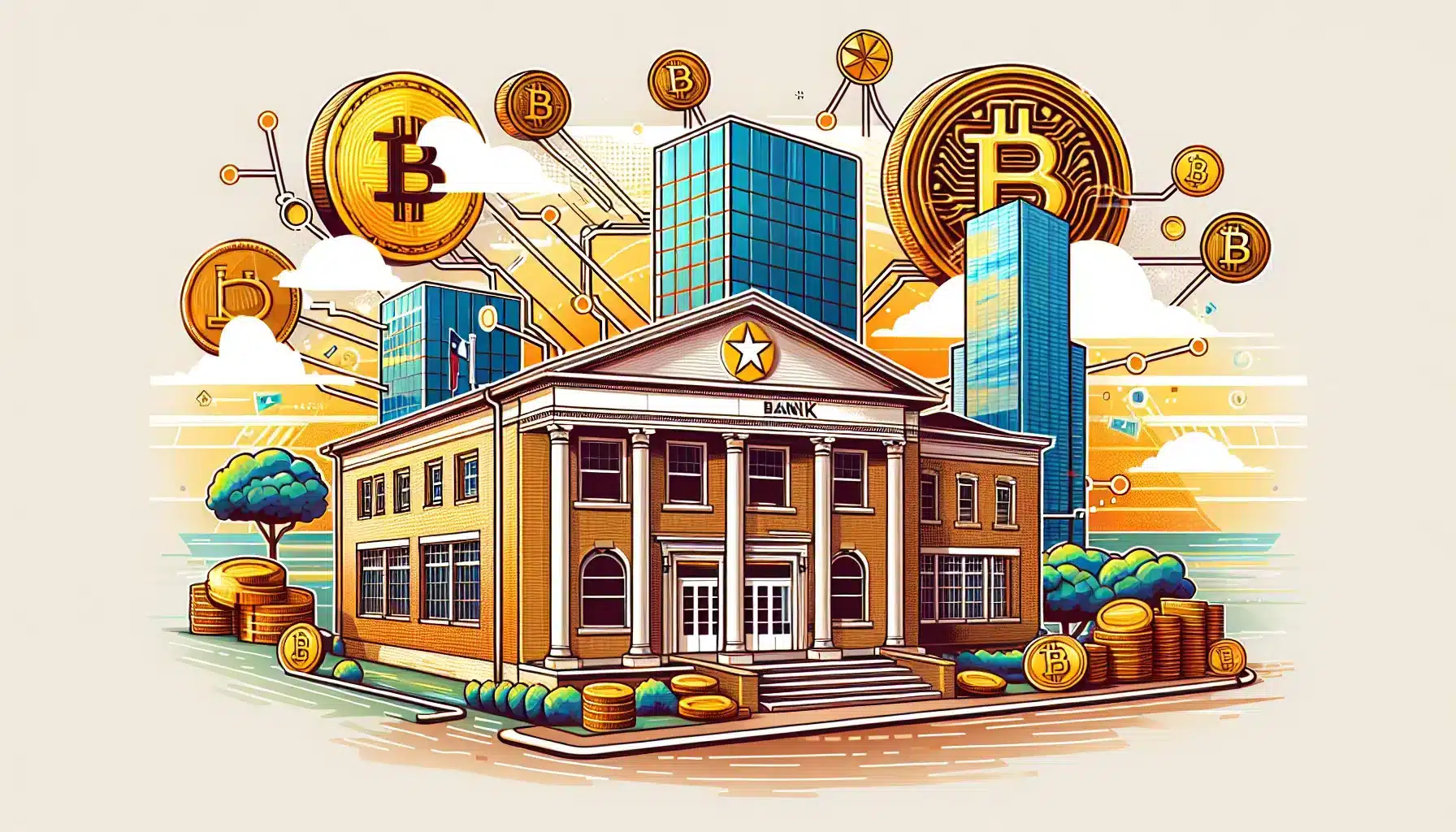
On December 6, 2025, the Texas-based financial institution, Monet, announced its strategic entry into cryptocurrency banking, positioning itself as a noteworthy player in the rapidly evolving digital finance landscape. This move comes amid a growing trend of traditional banks embracing blockchain technology to stay competitive and cater to the increasing demand for crypto-related services.
Monet, owned by billionaire entrepreneur Andy Beal, who gained attention for his substantial financial backing of Donald Trump’s 2016 presidential campaign, is not an ordinary bank. It has a reputation for innovative financial strategies and a willingness to venture into new economic territories. By diving into the crypto sector, Monet is stepping into a domain that has witnessed significant regulatory changes and technological advancements over the past decade.
The decision to move into cryptocurrency banking reflects a broader industry shift. Financial institutions globally are increasingly recognizing the importance of blockchain technology and digital assets. The integration of these technologies aims to improve transaction efficiency, offer more varied investment opportunities, and enhance security protocols. Monet’s new crypto-focused services will likely include offering digital asset custody, crypto-linked loans, and trading platforms.
Monet’s pivot to cryptocurrency comes at a pivotal time. Over the past few years, the global cryptocurrency market has seen exponential growth, with major assets like Bitcoin and Ethereum achieving new heights in popularity and value. This surge has prompted a reexamination of financial services, with banks striving to integrate digital currencies into their offerings to meet client demands. Traditional financial entities have faced pressure to innovate, as fintech startups and tech giants have rapidly developed crypto services, challenging the conventional banking model.
Historically, the banking sector has been cautious about cryptocurrencies, often citing concerns about volatility, regulatory uncertainty, and security risks. However, the tide is turning as consumer interest and institutional investment in digital currencies rise. In 2025, the market capitalization of cryptocurrencies surpasses several trillion dollars, illustrating their growing significance in global finance. Governments and regulators in countries like the United States, the European Union, and China have been working to establish clearer guidelines to facilitate the safe integration of cryptocurrencies into the financial ecosystem.
Monet’s initiative also underscores a regional trend, as Texas emerges as a hub for cryptocurrency innovation. With its favorable regulatory environment, abundant energy resources for mining activities, and a burgeoning technology sector, Texas has attracted a range of crypto-related businesses. This environment provides an ideal backdrop for Monet as it seeks to capture a share of the crypto-banking market.
Despite this promising backdrop, Monet’s foray into cryptocurrency banking does come with risks. The sector remains highly volatile, and regulatory frameworks continue to evolve. Sudden changes in policy or adverse market conditions could impact the bank’s new venture. Moreover, security concerns, such as the risk of cyberattacks or digital fraud, remain prevalent challenges that all participants in the crypto space must address.
Comparatively, other countries have approached the crypto market differently. For instance, El Salvador made headlines in 2021 by adopting Bitcoin as legal tender, showcasing an aggressive embrace of digital currency. In contrast, countries like India have exhibited caution, fluctuating between outright bans and regulatory acceptance, reflecting the global diversity in crypto policy approaches.
Monet’s entry into the cryptocurrency banking sector highlights the growing interplay between traditional banking and digital currencies. As Monet embarks on this new venture, its success could pave the way for other regional banks to explore similar opportunities. The bank’s strategic move may encourage other financial institutions in Texas and beyond to reevaluate their positions on digital assets, potentially leading to a broader acceptance and integration of cryptocurrencies in traditional banking services.
In recent years, advancements in blockchain technology have fueled the rise of decentralized finance (DeFi), a sector aiming to disrupt traditional financial services by offering decentralized alternatives. DeFi platforms have captured significant market share by providing peer-to-peer lending, decentralized trading, and yield farming, drawing interest from investors seeking high returns and transparency. Monet’s foray into crypto banking could be seen as an attempt to bridge the gap between conventional banking services and the innovative solutions offered by the DeFi sector.
Moreover, Monet’s move aligns with the larger digital transformation seen across industries, as companies leverage technology to enhance customer experiences and streamline operations. The digital economy’s expansion has created an urgent need for banks to adopt digital tools and services to remain relevant and competitive. By offering crypto services, Monet is positioning itself at the forefront of this financial evolution.
In conclusion, Monet’s strategic entry into the cryptocurrency banking sector represents a significant development in the intersection of traditional finance and digital currencies. As Monet navigates the challenges and opportunities of this dynamic industry, its success could influence the broader financial landscape, encouraging other banks to follow suit. However, the bank must remain vigilant to the inherent risks and continuously adapt to the rapidly changing market conditions to ensure sustained growth and profitability in its new venture.