Community Trust ScoreVerified
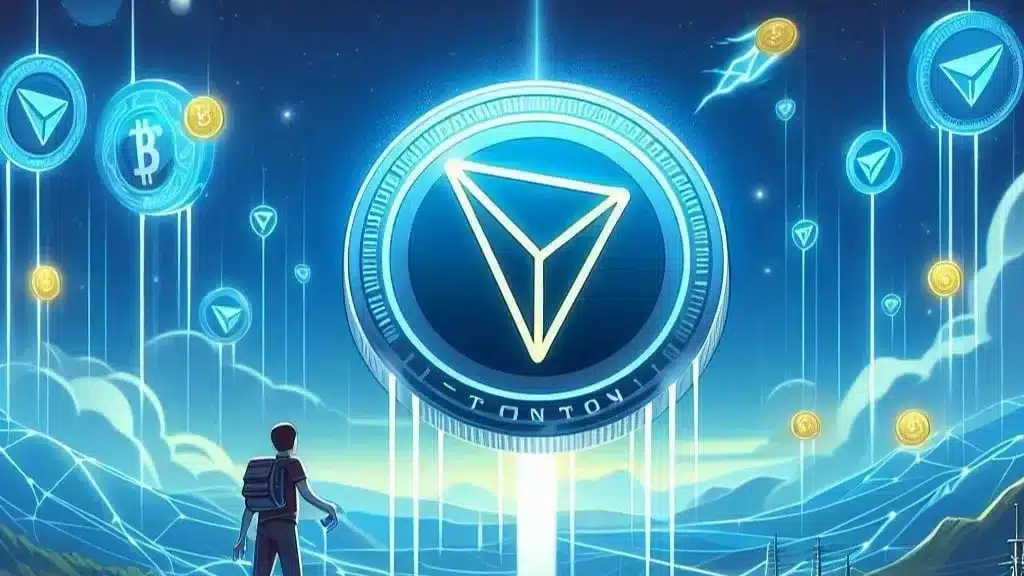
The Tron (TRX) blockchain has made headlines after a majority vote within its community led to a significant reduction in transaction fees, cutting costs by up to 60%. The move comes as part of the network’s effort to enhance user engagement, attract more stablecoin activity, and strengthen its competitive position in the crypto ecosystem.
Rising Fees Prompt Change
Transaction fees on Tron have increased alongside the rise in TRX’s value, which has more than doubled since 2024. While higher fees play a role in securing the network and maintaining stability, they have also created barriers for users and developers, particularly impacting Tether (USDT) transactions and other smart contract activities on the platform.
The fee adjustment proposal highlighted the need for Tron to remain competitive. Previous changes, such as a 50% reduction in energy unit prices, had temporarily eased costs, but these adjustments were negated as the token’s price surged. The latest decision by the Tron Super Representative community ensures that fees are more accessible while still maintaining network security.
Justin Sun Addresses the Decision
Justin Sun, Tron’s founder, shared the decision on social media platform X, emphasizing that this will be the largest fee reduction since the network’s inception in 2017. Sun acknowledged that while the fee cut could reduce short-term revenue—given that transaction fees constitute a primary source of income for Tron—the long-term benefits are expected to outweigh the initial impact.
According to Sun, lowering transaction costs will encourage increased network activity, attract more stablecoin transactions, and make Tron a more attractive option for decentralized applications (dApps). The move is expected to foster a more vibrant ecosystem and further solidify Tron’s position in the blockchain space.
Positive Market Impact
Following the announcement, TRX has shown resilience in the market. The token trades at $0.33, reflecting a 107% year-to-date gain and outperforming major cryptocurrencies like Bitcoin (BTC), Ethereum (ETH), Solana (SOL), and Cardano (ADA). This price movement highlights market confidence in Tron’s strategy to balance network security with user-friendly transaction costs.
Industry experts suggest that lower fees could incentivize a wave of new users and developers to the network. Reduced transaction costs make it easier for individuals and institutions to execute transfers, deploy smart contracts, and interact with decentralized applications without facing prohibitive expenses.
Strengthening Stablecoin Usage
One of Tron’s main objectives with the fee reduction is to boost stablecoin adoption, particularly Tether (USDT), which is widely used across its network. By lowering costs, Tron hopes to increase transaction volumes and position itself as a reliable and efficient platform for stablecoin payments.
The Tron ecosystem supports a wide range of decentralized applications, gaming platforms, and DeFi projects. A more affordable fee structure could attract additional dApp developers, fostering innovation and increasing the overall utility of the network.
Sustainable Fee Management
To ensure fees remain competitive and sustainable, Tron’s Super Representative community plans to conduct quarterly reviews of the network’s fee structure. This approach allows the platform to adjust costs based on market conditions, TRX price fluctuations, and user activity.
Regular fee assessments are designed to strike a balance between profitability and accessibility, providing developers and users with predictability while maintaining network security. This proactive approach is expected to support long-term ecosystem growth.
Long-Term Outlook
The Tron fee cut reflects a broader trend in blockchain networks, where projects are increasingly focused on usability, scalability, and real-world adoption. By lowering barriers to entry, Tron positions itself to compete more effectively with other layer-1 networks and attract additional stablecoin activity.
Analysts suggest that if transaction volumes increase as expected, the network could see greater revenue from higher throughput, even with reduced fees. This could translate into stronger adoption of TRX for staking, payments, and other on-chain activities.
Conclusion
Tron’s 60% transaction fee reduction represents a strategic effort to enhance ecosystem growth, increase stablecoin adoption, and maintain competitiveness within the blockchain space. While short-term profitability may be affected, the network’s leadership believes the long-term benefits, including increased user engagement and higher transaction volumes, will ultimately strengthen Tron’s position.
As the blockchain space evolves, this move signals that networks prioritizing user accessibility, scalability, and ecosystem development may continue to attract attention and capital from both retail and institutional participants.