Community Trust ScoreVerified
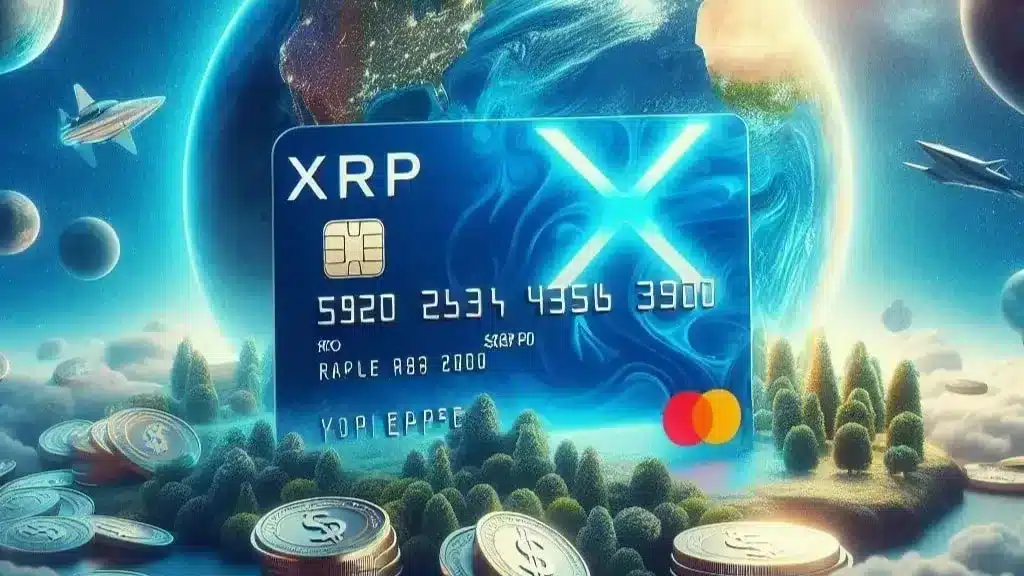
XRP continues to carve its position as a payments-focused cryptocurrency, now entering a new phase of real-world adoption with the introduction of a credit card that pays back in XRP. Powered by Gemini and WebBank, and integrated with Mastercard, the XRP edition of the Gemini Credit Card is designed to blend everyday spending with instant token accumulation, offering up to 4% cashback directly in XRP.
A New Era of Crypto-Backed Rewards
The Gemini Credit Card, XRP edition, marks a significant step in making cryptocurrency an accessible tool for daily payments and financial rewards. reveal on Aug by Gemini, the product has been described as a limited-edition metal card that brings both utility and identity to the XRP community.
The card’s design prominently features Gemini’s branding alongside the XRP logo, underscoring its community-centric positioning. Beyond aesthetics, the reward system is what sets it apart—offering tailored cashback tiers that can immediately be converted into XRP and stored within the user’s Gemini account.
Reward Tiers Tailored to Spending Habits
The XRP credit card operates across multiple categories of everyday spending, allowing users to maximize returns on common expenses:
-
4% in XRP on gas, electric vehicle charging, and transit.
-
3% in XRP on dining purchases.
-
2% in XRP on groceries.
-
1% in XRP on all other general expenditures.
This tiered approach ensures that consumers benefit most from high-frequency spending categories while still earning XRP across all purchases. Unlike traditional reward systems that require waiting for redemption or complex conversions, the Gemini XRP edition provides rewards instantly, enhancing the sense of direct crypto ownership.
Ripple and Gemini’s Strategic Push
Ripple amplified the reveals through its social media presence, framing the card as a “special-edition design for the XRP community.” Ripple also emphasized the parallel growth of its broader ecosystem, including the introduction of its RLUSD stablecoin, which recently became available for U.S. spot trading. By highlighting reduced conversion fees and simplified crypto access, Ripple positioned the credit card as part of a wider strategy to strengthen XRP’s role in everyday financial interactions.
Gemini’s co-founders, Cameron and Tyler Winklevoss, each underscored the card’s community focus. Tyler Winklevoss appealed directly to the “XRP Army,” calling the card a tool to earn XRP with every purchase. This community-first messaging is seen as a way to deepen engagement among loyal XRP holders while offering a product that can extend beyond speculation into tangible, real-world use.
Benefits for the XRP Community
For retail customers, the XRP credit card serves as a bridge between traditional finance and digital assets. By tying cashback directly to XRP accumulation, users effectively build crypto holdings through routine expenses. Supporters of the program argue that this not only makes spending more rewarding but also strengthens the adoption of XRP as a mainstream digital asset.
Critics, however, point to crypto’s inherent volatility. Since rewards are distributed in XRP, the value of accumulated tokens may fluctuate significantly, which could either enhance long-term returns or erode short-term value. Advocates counter that volatility is part of the investment appeal and that the ability to instantly accumulate XRP without separate purchases may outweigh the risks.
Institutional Backing and Consumer Adoption
The collaboration between Gemini, WebBank, Mastercard, and Ripple represents a convergence of traditional financial infrastructure with blockchain technology. WebBank acts as the issuing bank, ensuring regulatory compliance, while Mastercard provides the global payments network that makes the credit card widely usable across merchants.
Market analysts see this as a strategic effort not only to broaden Gemini’s consumer-facing offerings but also to expand XRP’s role beyond speculative markets. With U.S. customers already able to apply, the program aligns with a broader trend of crypto integration into everyday life.
Expanding Beyond Traditional Corporate Treasuries
The introduction of the XRP credit card also aligns with the wider trend of corporations and institutions increasingly embracing cryptocurrencies. While Bitcoin has historically been favored for corporate treasuries, Ethereum and XRP have begun to find similar momentum in 2025. By embedding XRP into a mainstream financial product, Gemini and Ripple signal that corporate and consumer adoption are accelerating in parallel.
This also comes at a time when crypto payment solutions are growing in relevance. Competitors like Visa and PayPal have expanded digital asset integrations, but XRP’s focus on cross-border payments and settlement gives it an edge in providing fast, low-cost transactions—making it a natural candidate for consumer-facing rewards products.
Long-Term Implications
If successful, the XRP credit card could mark a turning point in how cryptocurrencies are perceived and used in everyday life. Rather than being confined to speculative trading or niche payment corridors, XRP would become a regular part of household finances, seamlessly integrated into daily purchases.
The immediate payout structure also encourages token accumulation, potentially boosting XRP’s liquidity and usage. Moreover, with Ripple actively promoting its RLUSD stablecoin alongside XRP initiatives, a larger ecosystem of crypto-based consumer tools may be on the horizon.
Conclusion
The Gemini Credit Card, XRP edition, represents more than just another financial product—it is a statement about the evolving utility of cryptocurrency. With up to 4% rewards directly in XRP, partnerships with leading financial institutions, and strong community engagement, this development underscores the growing intersection of blockchain assets and mainstream finance.
As crypto becomes increasingly embedded into consumer experiences, XRP’s role in bridging digital assets with real-world utility is set to expand, further solidifying its position as a leading payments-focused cryptocurrency.