Community Trust ScoreVerified
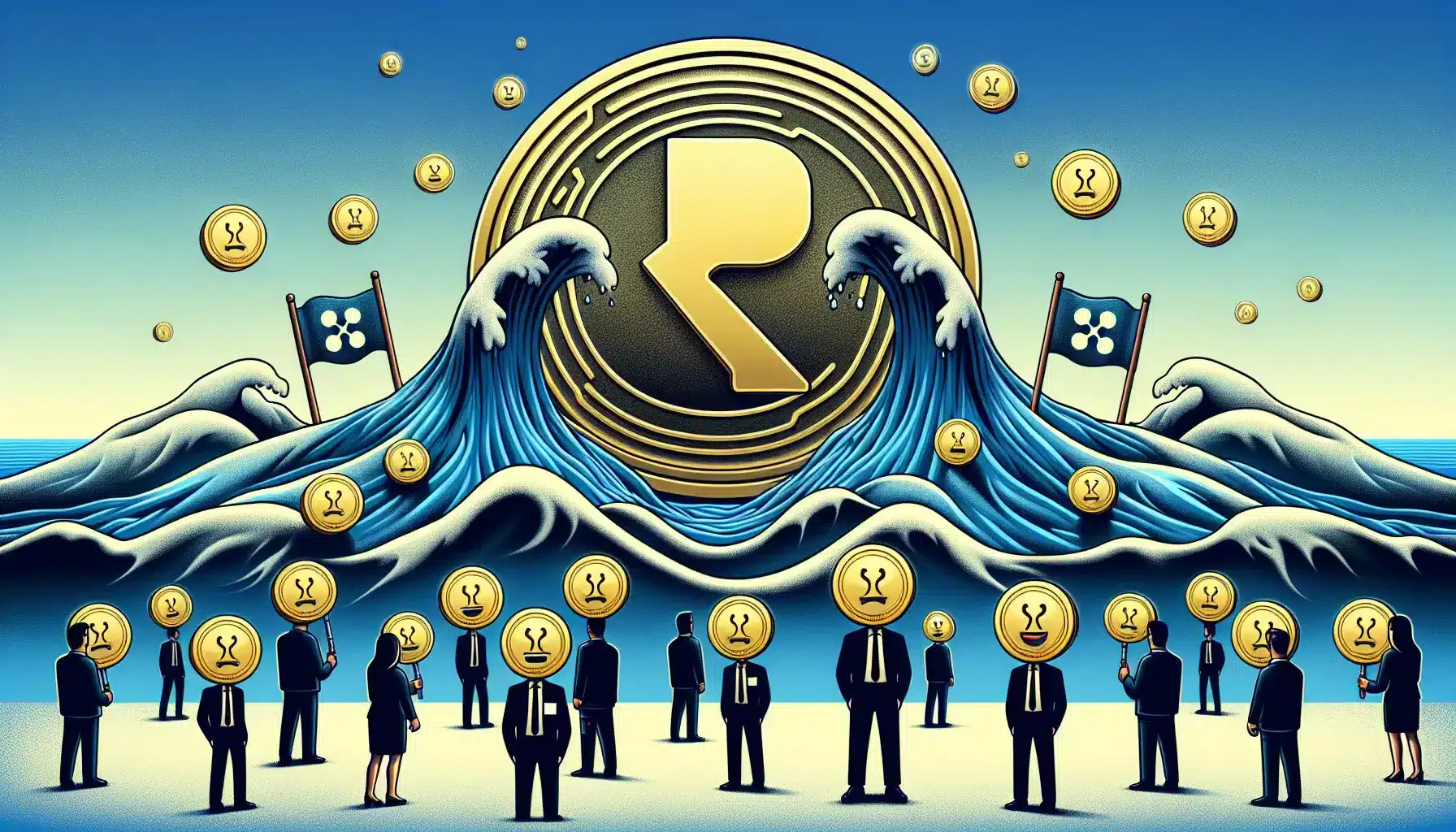
In recent months, the digital currency XRP has experienced a significant downturn, witnessing a decline of approximately 31% over the past two months. This downturn highlights the volatility and sensitivity of cryptocurrency markets to changes in investor sentiment. As a major player in the crypto sphere, XRP’s trajectory could be at risk if a broader market risk aversion sets in.
This decline in XRP’s value is primarily attributed to a noticeable shift in social sentiment, which has turned markedly negative. Sentiment analysis tools have detected growing apprehension among investors, which could exacerbate selling pressure if not countered by renewed interest or positive catalysts. This bearish sentiment reflects broader trends in the cryptocurrency sector, where volatility is a constant theme, fueled by rapid shifts in investor outlook and market dynamics.
Historically, the cryptocurrency market has been characterized by its unpredictability. Unlike traditional financial markets, cryptocurrencies are less influenced by macroeconomic indicators and more by investor psychology and speculative behaviors. This unpredictability makes it challenging for investors to forecast long-term trends, leading to heightened caution and frequent sell-offs in the face of uncertainty. XRP, like many other digital assets, has been subject to these swings, which can be rapid and significant.
Adding to the uncertainty, recent regulatory developments have put additional pressure on XRP. The token has faced legal challenges, particularly from the United States Securities and Exchange Commission (SEC), which has raised questions about its classification as a security. These legal battles have not only affected XRP’s market performance but have also contributed to a broader atmosphere of uncertainty among investors. Regulatory clarity is crucial for any asset’s stability, and the ongoing ambiguity regarding XRP’s status continues to weigh heavily on its price.
The current situation is a reminder of the intrinsic risks associated with investing in cryptocurrencies. While the potential for high returns exists, so does the potential for significant losses. Investors are often swayed by sentiment, which can turn negative rapidly, creating a volatile environment. This is particularly true for XRP, which has a passionate community that closely follows news and developments, influencing market movements.
Outside of investor sentiment, technological factors also play a crucial role in XRP’s market performance. The Ripple network, which underpins XRP, aims to facilitate fast and cost-effective international payments. However, its pace of adoption has not always met market expectations. Competing technologies and platforms continue to emerge, offering alternative solutions that could potentially overshadow Ripple’s offerings. As the fintech landscape evolves, the success of XRP will depend on its ability to maintain relevance and demonstrate clear advantages over competitors.
Despite these challenges, there is a possibility for a positive turnaround. If Ripple can resolve its legal issues and gain regulatory approval, confidence in XRP might rebound. Moreover, strategic partnerships and technological advancements could bolster its adoption, leading to potential recovery in its market value. Investors and analysts keenly watch these developments, recognizing that any positive news could quickly reverse the current negative sentiment.
Conversely, the risk of further decline remains significant if negative sentiment prevails and market conditions worsen. The intersection of regulatory scrutiny, technological competition, and investor psychology creates a precarious environment for XRP. In such a landscape, even minor developments can trigger substantial market reactions, underscoring the need for robust risk management strategies for investors.
Adding to the complexity, global economic conditions also play a role. The cryptocurrency market does not exist in isolation; it is influenced by broader economic trends. Any global economic downturn, shifts in interest rates, or changes in monetary policy could impact investor risk tolerance, thereby affecting cryptocurrency investments, including XRP.
While current challenges are evident, it’s important to consider the broader context of the cryptocurrency market. Historically, the market has rebounded from downturns as technological adoption grows and regulatory frameworks gradually establish clearer guidelines. The overall growth of the crypto market has been remarkable, expanding from niche technology to a significant player in the financial ecosystem.
Looking forward, the key to XRP’s recovery will lie in its ability to adapt to changing market conditions and regulatory landscapes. The resolution of legal issues, coupled with strategic advancements, could create a path to recovery. However, investors must remain vigilant, prepared for both opportunities and risks inherent in this dynamic market.
In conclusion, XRP’s recent decline serves as a case study in the complexities of the cryptocurrency market, where sentiment, technology, and regulation intersect. While current sentiment is negative, the potential for recovery remains if the right conditions are met. As with any investment in this volatile space, due diligence and cautious optimism are essential in navigating the challenges and opportunities ahead.