


Community Trust ScoreVerified
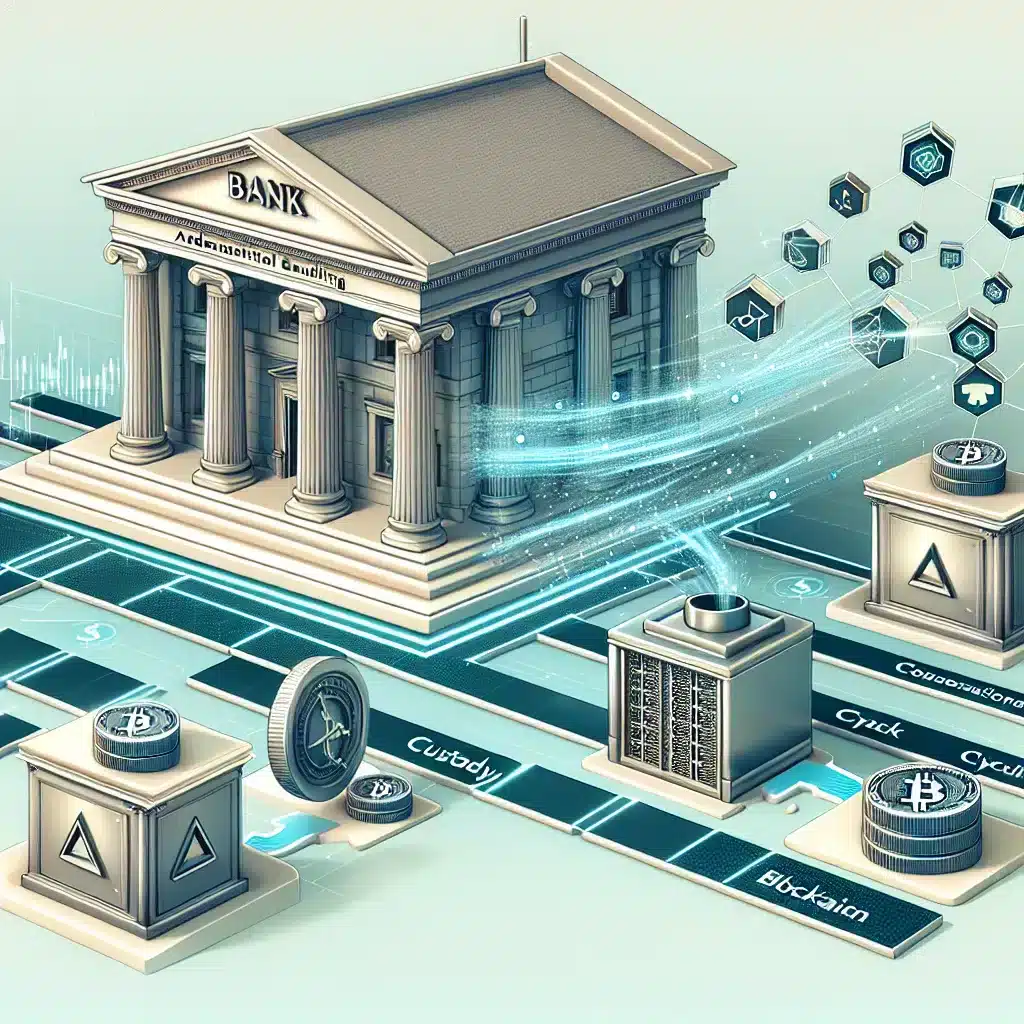
In a significant move reshaping the landscape of institutional finance, banks are rapidly adopting digital assets, driven by advancements in custody solutions, the rise of stablecoins, and the integration of blockchain technologies into their core operations. Ripple, a prominent blockchain company, recently highlighted these trends as essential drivers behind the surge in digital asset adoption among financial institutions.
Ripple’s analysis points out that the demand for secure custody solutions is one of the primary factors encouraging banks to enter the digital asset space. As digital currencies and assets become an integral part of financial portfolios, the need for reliable and secure custody services has increased. Banks are investing heavily in developing or partnering with custody service providers to offer secure storage and management options for cryptocurrencies and other digital assets. This move not only enhances their service offerings but also provides customers with increased trust and confidence in the security of their digital investments.
Furthermore, the proliferation of stablecoins is playing a crucial role in this transformation. Stablecoins, which are cryptocurrencies pegged to stable assets like the US dollar, offer a bridge between traditional banking and the emerging digital finance ecosystem. Their stability and reliability have made them attractive to both consumers and financial institutions looking to leverage the benefits of blockchain without the volatility typically associated with cryptocurrencies like Bitcoin and Ethereum. Banks are increasingly exploring stablecoin initiatives to facilitate faster, cost-effective cross-border transactions and improve liquidity management.
Blockchain technology itself is another cornerstone of this shift. By integrating blockchain into their operations, banks can streamline processes, enhance transparency, and reduce operational costs. Blockchain’s potential to improve efficiency in areas like settlement times, fraud prevention, and compliance is being actively explored by financial institutions worldwide. As banks continue to implement blockchain solutions, they are not only modernizing their infrastructure but also preparing for a future where digital assets play a central role in finance.
However, this rapid adoption does not come without its challenges. Regulatory clarity remains a significant hurdle for many institutions considering deeper involvement in digital assets. The evolving regulatory landscape requires banks to navigate complex compliance requirements while managing risks associated with digital currencies. Ensuring adherence to anti-money laundering (AML) and know your customer (KYC) regulations is paramount, and banks are working closely with regulators to establish frameworks that ensure the safe integration of digital assets.
Despite these challenges, the momentum behind institutional adoption of digital assets is undeniable. The potential for increased efficiency, reduced costs, and the ability to offer new services to customers is driving banks to overcome regulatory and technological obstacles. As financial institutions gain more experience with digital assets, their strategic importance in shaping the future of finance becomes increasingly evident.
On the other hand, there are skeptics who caution against rapid adoption of digital assets, citing concerns over security, market maturity, and the potential for financial instability. Critics argue that the volatility in cryptocurrency markets poses significant risks, and that the infrastructure supporting digital assets is not yet robust enough to support large-scale institutional adoption. Furthermore, they warn that the enthusiasm surrounding digital assets may lead to hasty investments and innovation outpacing regulatory frameworks, creating unforeseen vulnerabilities.
In response to these concerns, banks are adopting a measured approach, focusing on thorough due diligence and risk management strategies. Many financial institutions are conducting pilot programs and limited rollouts to test the waters before committing to widespread implementation of digital asset services. These cautious steps reflect an understanding of the complexities involved and a commitment to safeguarding both institutional interests and customer assets.
Looking ahead, the trajectory of digital asset adoption by banks is expected to continue its upward trend. As technology evolves and regulatory clarity improves, the integration of digital assets into mainstream finance will likely accelerate. This evolution promises to bring about transformative changes in how financial services are delivered, making them more inclusive, efficient, and adaptable to the needs of a digital economy.
In conclusion, the shift towards digital assets represents a pivotal moment in the evolution of institutional finance. Custody solutions, stablecoins, and blockchain technology are key components driving this change, offering banks new opportunities and challenges. While regulatory and security concerns persist, the benefits of digital asset adoption are too significant to ignore. As banks navigate this transition, they have the opportunity to redefine their roles in the financial ecosystem, ensuring they remain relevant and competitive in an increasingly digital world.


