Community Trust ScoreVerified
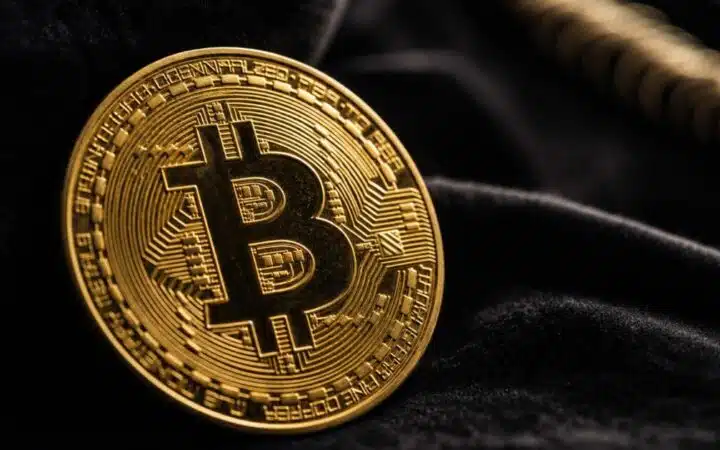
On September 29, 2025, Bitcoin’s price hovers around $112,256, propelling its market capitalization to an impressive $2.23 trillion. This surge in valuation underscores the cryptocurrency’s dominant role in the digital currency ecosystem. In just 24 hours, Bitcoin’s trading volume reached a substantial $44.38 billion, with its price fluctuating between $109,257 and $112,327. Such movements, though within a narrow band, have kept traders on high alert.
Historically, Bitcoin has been the pioneer in the cryptocurrency market since its inception in 2009 by the pseudonymous Satoshi Nakamoto. Its decentralized nature and potential as a hedge against inflation have attracted both individual and institutional investors over the years. The latest price movement reflects growing confidence among investors, aided by recent favorable regulatory news in various countries. For instance, the U.S. Securities and Exchange Commission’s approval of several Bitcoin exchange-traded funds (ETFs) has made the cryptocurrency more accessible to a broader range of investors, contributing to its climbing price.
The significant market capitalization of Bitcoin is indicative of its entrenched position as a store of value and a medium of exchange. Comparing this to historical milestones, the current valuation rivals that of some of the world’s largest corporations, highlighting the transformation of Bitcoin from a niche digital currency to a major financial asset. Despite this achievement, Bitcoin remains a volatile investment, with substantial price swings that can lead to both significant gains and losses in a short time frame.
Investor sentiment is buoyed by ongoing technological advancements within the Bitcoin network. The anticipated improvements from the Taproot upgrade, which promises enhanced privacy and efficiency, are expected to drive further interest and adoption. However, the market remains vigilant, as any delay or hiccup in such upgrades could impact investor confidence negatively.
Moreover, the role of geopolitical events cannot be understated. Recent tensions in global trade and finance have pushed investors to seek refuge in Bitcoin, seeing it as a viable alternative to traditional assets. In contrast, countries like China have maintained their stringent stance against cryptocurrencies, with ongoing crackdowns on mining and trading activities. This has, paradoxically, strengthened the network’s resilience, as miners and developers adapt by relocating to jurisdictions with friendlier regulations.
One of the counterpoints to the current bullish trend is the environmental impact of Bitcoin mining. The energy-intensive process required to secure the network has drawn criticism from environmental groups and policymakers alike. In response, there is a push towards more sustainable mining practices, with some companies adopting renewable energy sources to power their operations. Nevertheless, the environmental debate continues to pose a challenge to Bitcoin’s image and could affect regulatory attitudes in the future.
Comparatively, other cryptocurrencies, or altcoins, have also seen gains, although none match Bitcoin’s scale and influence. Ethereum, for example, has been gaining traction with its smart contract capabilities, yet it still trails behind Bitcoin’s market dominance. As the industry evolves, the interplay between Bitcoin and altcoins will be crucial in determining market dynamics. While Bitcoin is often seen as digital gold, Ethereum and others are forging paths as platforms for decentralized applications, each carving out a unique space within the digital economy.
Despite the optimism, risks linger in the form of potential regulatory changes. Governments worldwide are cautiously navigating the cryptocurrency landscape, balancing innovation with consumer protection. Any adverse policy shift, particularly from major economies like the United States or the European Union, could have a ripple effect on Bitcoin’s market performance. Additionally, security remains a perennial concern. The threat of cyberattacks, though less frequent due to improved security protocols, persists as a risk factor that could impact investor trust.
In conclusion, Bitcoin’s current pricing and market cap highlight its significant role in the financial landscape, transcending its origins as a fringe technological experiment. While the road ahead is fraught with challenges, including regulatory scrutiny and environmental concerns, the digital currency continues to attract interest and investment. As Bitcoin approaches new milestones, its journey remains a focal point for investors, policymakers, and technologists worldwide, who watch closely to see if it will fulfill its potential as a cornerstone of the future financial system.