


Community Trust ScoreVerified
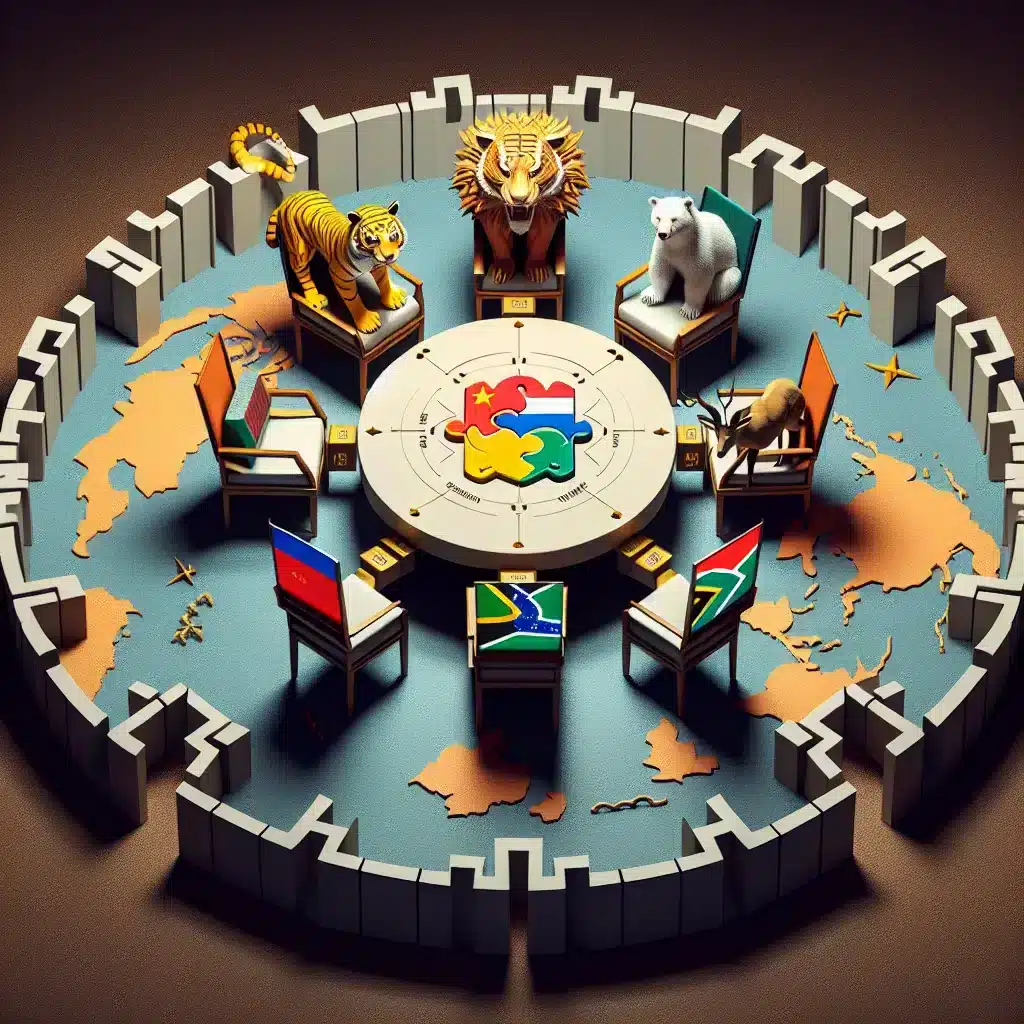
On September 2025, Brazil’s President Luiz Inácio Lula da Silva spearheaded a strategic BRICS meeting aimed at addressing the recent unilateral tariffs imposed by the United States on member countries. This critical assembly also seeks to solidify the bloc’s commitment to multilateralism amidst rising protectionist policies worldwide. This initiative signifies an effort by BRICS to present a unified front in response to external economic pressures and to reinforce the importance of collaboration on the global stage.
The decision to convene this meeting comes in the wake of the US government’s continued application of tariffs under policies initially set forth during the Trump administration. These tariffs have notably impacted trade dynamics within BRICS nations, which include Brazil, Russia, India, China, and South Africa, all significant players in the global market. The US tariffs have exacerbated trade tensions, prompting these countries to explore collective strategies to mitigate economic disruptions and safeguard their national interests.
Economic analysts suggest that BRICS’ focus on multilateralism could play a pivotal role in reshaping the international trade landscape. By advocating for cooperative economic policies and opposing unilateral trade measures, BRICS hopes to influence global norms and encourage a more balanced trade environment. The group’s unity on these issues is seen as crucial to counteracting the economic clout of the US and reducing dependency on Western-dominated financial systems.
During the meeting, leaders will deliberate on potential countermeasures to the US tariffs, which could include reciprocal tariffs or new trade agreements designed to diversify export markets and reduce reliance on the US economy. This approach underscores a strategic pivot towards strengthening intra-BRICS trade links and expanding partnerships with emerging economies outside the traditional Western alliances.
However, this strategy is not without challenges. Some experts caution that retaliatory tariffs could exacerbate global trade tensions and lead to a cycle of protectionism that harms all parties involved. There is also the risk that such measures could alienate potential allies and hinder efforts to foster a cooperative international economic order.
Despite these concerns, BRICS nations are keen to advance discussions on creating alternative economic mechanisms, such as establishing a shared currency or enhancing the role of the New Development Bank (NDB) in financing infrastructure projects. These measures are intended to reduce reliance on the US dollar and promote economic independence among member states.
As the global economy faces uncertainty from geopolitical conflicts and fluctuating markets, the BRICS alliance’s focus on multilateralism is seen as a stabilizing force. By championing inclusive and equitable trade practices, BRICS countries aim to set a precedent for other international bodies to follow. This approach aligns with their long-term vision of fostering a more just and balanced global economic system.
In contrast to BRICS’ collective stance, some individual member countries may have differing priorities or face internal pressures that complicate their participation in a unified response. For instance, while China and Russia might support more assertive measures against US policies, other members like India and South Africa might prioritize maintaining diplomatic ties with Western economies due to their own economic dependencies or strategic interests.
Moreover, internal political dynamics within each BRICS nation could influence their negotiating positions. For example, Lula’s administration in Brazil may use this platform to bolster its domestic approval by taking a firm stand against US tariffs, reflecting popular sentiment for greater economic autonomy.
The outcome of the BRICS meeting could have far-reaching implications not only for its member states but also for the broader international community. Should BRICS successfully navigate these complex challenges and present a cohesive strategy, it could alter the balance of global economic power and propel a shift towards more equitable trade practices.
Ultimately, the BRICS nations’ ability to effectively address the issues at hand will depend on their capacity to reconcile differing national interests and present a united front. This endeavor highlights the importance of diplomatic skill and strategic foresight in navigating the intricate web of international trade relations.
As the world watches the developments from this high-stakes meeting, the decisions made by BRICS could set a new course for international economic cooperation and challenge existing paradigms. The stakes are high, and the outcomes could redefine the way nations engage in global commerce and diplomacy for years to come.


