Community Trust ScoreVerified
In the last week, the cryptocurrency market experienced dramatic fluctuations, briefly seeing an increase and decrease exceeding $100 billion, ultimately closing with a 3.5% overall gain. While Bitcoin and Ethereum played significant roles in this volatile scenario, XRP emerged as a standout performer in the final stretch.
The past seven days have been a rollercoaster for digital currencies, underscoring the market’s inherent volatility. Throughout this period, the total market capitalization of cryptocurrencies saw a remarkable swing of over $100 billion, a testament to the unpredictable nature of these digital assets. This kind of volatility is a hallmark of the crypto world, where immense gains or losses can occur in a matter of hours.
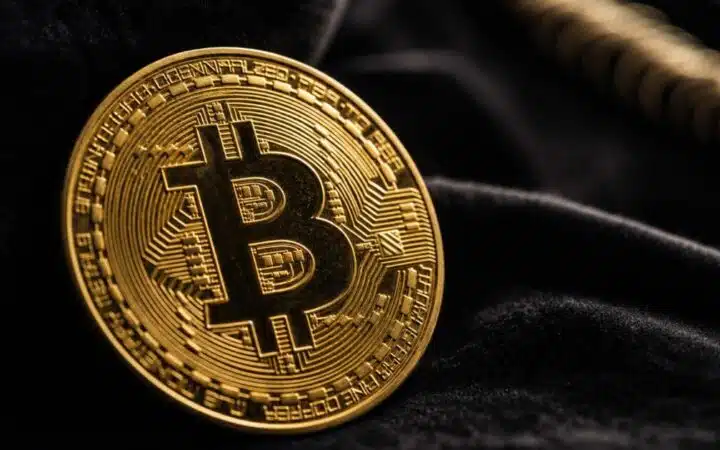
Bitcoin and Ethereum, the two largest cryptocurrencies by market capitalization, were at the forefront of this turbulence. Bitcoin, a market leader often referred to as digital gold, experienced significant price fluctuations. Such movements are not uncommon for Bitcoin, which has seen its value skyrocket from mere cents to tens of thousands of dollars since its inception in 2009. Despite periods of extreme volatility, Bitcoin remains a favored asset for both investors and traders.
Ethereum, known for its smart contract capabilities, also contributed to the market’s wild ride. As a platform that supports a wide range of decentralized applications, Ethereum is pivotal in the crypto ecosystem. Its ability to facilitate complex transactions without intermediaries has made it a cornerstone of the decentralized finance (DeFi) movement. Ethereum’s price swings reflect its growing adoption and the speculative nature of the crypto market.
Amidst the chaos, XRP, a digital currency that often flies under the radar compared to its more famous counterparts, recorded a significant late-week surge. XRP’s price increase highlights investor interest and market dynamics that may favor coins with unique use cases. Originally designed to facilitate cross-border payments efficiently, XRP has faced various regulatory challenges, particularly in the United States. However, its recent performance indicates a renewed confidence among investors.
The volatile nature of the cryptocurrency market can be attributed to several factors. Speculation remains a primary driver, as traders seek to capitalize on rapid price movements. Additionally, external factors such as regulatory news, technological advancements, and macroeconomic trends play crucial roles. This landscape is constantly evolving, with new projects and technologies emerging to challenge existing paradigms.
The past week’s market fluctuations also underscore the risks associated with crypto investments. While the potential for high returns is attractive, the possibility of substantial losses is equally significant. Investors must navigate a complex environment where market sentiment can shift suddenly. This unpredictability is both a draw and a deterrent for different types of investors.
The crypto market’s recent behavior can be contextualized by examining recent global economic trends. Central banks worldwide have been grappling with inflation concerns and economic instability, which have influenced asset prices, including cryptocurrencies. As traditional financial systems face these challenges, digital currencies are increasingly seen as alternative investment vehicles, though they come with their own set of risks.
However, there are counterpoints to consider regarding the current state of the crypto market. Some analysts warn that the rapid swings in market capitalization could be indicative of speculative bubbles. Historically, such bubbles have led to dramatic crashes, as seen during the infamous dot-com bubble in the late 1990s and the 2017 crypto boom. While the underlying technology continues to evolve, the potential for market corrections remains a constant threat.
Despite these concerns, the cryptocurrency sector continues to grow, with new innovations and applications expanding the market’s boundaries. Blockchain technology, which underpins cryptocurrencies, is being explored for its potential to revolutionize industries beyond finance, such as supply chain management and healthcare. This technological progress offers a counterbalance to the market’s speculative elements.
In the broader context of financial markets, cryptocurrencies occupy a unique position. They are not bound by traditional financial regulations, which allows for greater freedom but also exposes investors to unregulated risks. This duality is part of what makes cryptocurrencies so appealing and yet so challenging to integrate fully into mainstream financial systems.
In conclusion, the past week’s events in the crypto market highlight both the opportunities and dangers inherent in this burgeoning sector. As Bitcoin, Ethereum, and XRP exhibit their potential for both immense gains and losses, investors must remain vigilant and informed. The rapid evolution of the crypto landscape demands a keen understanding of market forces and an awareness of the broader economic and technological context. While the promise of decentralization and digital innovation is compelling, the path forward will require careful navigation to balance risk and reward.