


Community Trust ScoreVerified
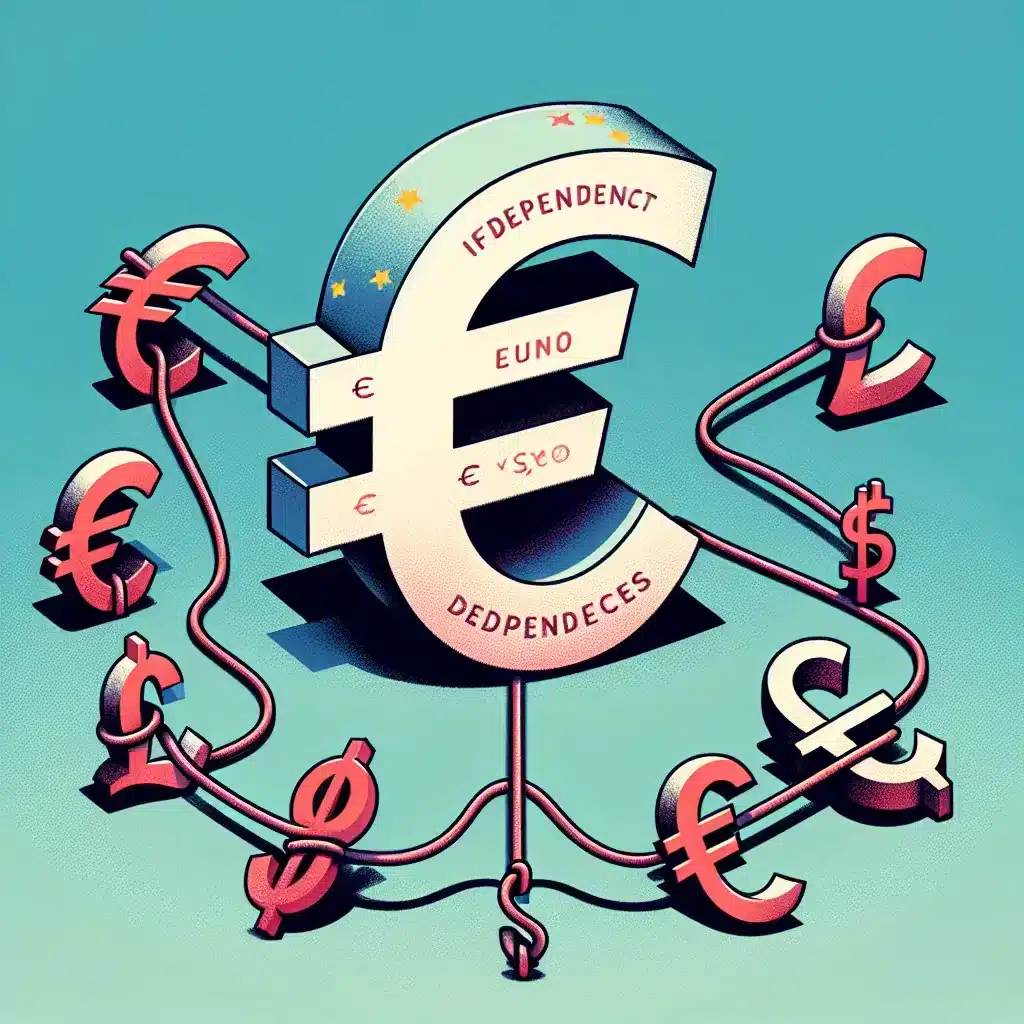
On September 4, 2025, Piero Cipollone, a member of the Executive Board of the European Central Bank (ECB), addressed the European Parliament in Brussels to emphasize the importance of launching a digital euro. He outlined the potential benefits of this initiative in enhancing the resilience of Europe’s payment systems and increasing the strategic autonomy of the continent. Cipollone pointed out that currently, non-European payment providers are responsible for 66% of card transactions within the euro area, leading to dependency on foreign systems that often come with high transaction fees.
The call for a digital euro is part of a broader effort to ensure that Europe remains competitive and independent in the rapidly evolving global financial landscape. By developing its own digital currency, Europe could reduce its reliance on external providers, which Cipollone argued would lead to a more robust and self-sufficient financial ecosystem. This move is especially pertinent given the increasing competition from foreign stablecoins and other digital currencies that could potentially undermine the euro’s position and influence.
In the context of the global economy, the introduction of a digital euro could offer several strategic advantages. Firstly, it could lower transaction costs for consumers and businesses within Europe by providing a cheaper alternative to existing payment systems that are predominantly controlled by non-European entities. Additionally, it could streamline cross-border transactions, making them faster and more efficient, which is crucial for both trade and tourism within the European Union.
Cipollone also noted that a digital euro could help protect the privacy of European citizens. Unlike some private digital currencies, a central bank digital currency could be designed with privacy safeguards that align with European data protection standards. This aspect is particularly important as concerns about data privacy continue to rise globally.
Another key argument for the digital euro is to maintain monetary sovereignty as digital currencies gain popularity. The rise of decentralized finance (DeFi) and the increasing use of cryptocurrencies and stablecoins pose challenges to traditional monetary systems. By issuing a digital euro, the ECB aims to ensure that the euro remains a central medium of exchange and store of value in the digital age.
However, the proposal is not without its challenges and critics. Some argue that the introduction of a digital euro could disrupt the current banking system. Banks might face increased competition from the central bank’s digital currency, which could affect their profitability and lending capabilities. There are also concerns about the cost and complexity of implementing such a system, both for regulatory bodies and private institutions.
Moreover, some stakeholders worry about the potential for central oversight and control over digital transactions. Critics argue that a digital euro could give central authorities too much power to monitor financial activities, posing risks to individual privacy rights. These concerns highlight the need for a balanced approach that carefully considers the implications for both privacy and security.
Despite these challenges, the ECB appears determined to forge ahead, viewing the digital euro as a necessary step in the evolution of the European financial landscape. The move reflects a wider trend among central banks worldwide exploring digital currencies to enhance their monetary policies and the efficiency of their payment systems. Countries like China have already made significant strides with their digital yuan, and the United States is also exploring a digital dollar.
A digital euro could also serve as a counterbalance to foreign digital currencies and stablecoins. As these alternatives become more widely used, they could threaten the dominance of the euro in international markets. By creating its own digital currency, Europe could strengthen its economic sovereignty and maintain its influence in the global financial system.
Additionally, the digital euro could foster innovation in the financial sector by encouraging new business models and technological advancements. By integrating blockchain technology and other innovations, Europe could emerge as a leader in digital finance, attracting investments and fostering economic growth.
In conclusion, while there are valid concerns and challenges associated with the introduction of a digital euro, the potential benefits appear to outweigh the risks. By enhancing payment system resilience, reducing dependence on non-European providers, and ensuring monetary sovereignty, the digital euro could play a crucial role in securing Europe’s financial future. As the ECB continues to develop and refine its plans, it will be essential to engage with various stakeholders, including governments, financial institutions, and the public, to ensure that the digital euro meets the needs of all parties involved.
Ultimately, the successful implementation of a digital euro depends on striking the right balance between innovation, privacy, security, and financial stability. With careful planning and execution, the digital euro could become a cornerstone of Europe’s digital economy, paving the way for a more integrated and autonomous financial system.


