Community Trust ScoreVerified
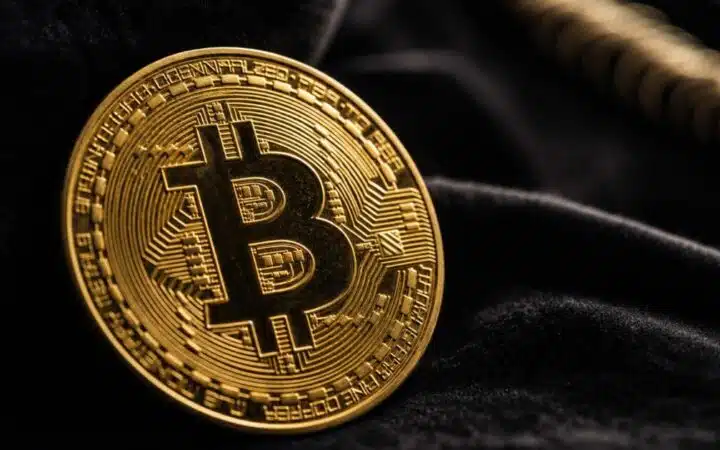
A dormant relic from Bitcoin’s earliest days has made headlines after lying inactive for over 14 years. A Satoshi-era Bitcoin wallet, which mined 4,000 BTC between April and June 2009, moved 150 BTC this week, sparking curiosity among analysts and market watchers. The wallet, dormant since 2011, is among the oldest known Bitcoin addresses still holding a substantial balance, making its activity noteworthy.
According to blockchain analytics firm Lookonchain, wallet “18eY9…6EfyM” transferred 150 BTC, worth approximately $16.6 million at the time of the transaction, to another unmarked address. The original 4,000 BTC was mined just months after Bitcoin’s creation and consolidated into this address in 2011. Today, that total value exceeds a staggering $442 million, highlighting the immense gains early adopters have experienced over the last decade and a half.
Historical Context and Market Relevance
The movement of a Satoshi-era wallet rarely goes unnoticed. Historically, such dormant wallets are linked to early Bitcoin adopters or miners, often referred to as “OG holders.” When these wallets become active, the market tends to speculate on the reasons behind the movement. Investors and analysts closely watch these addresses to determine whether long-term holders are preparing to sell or simply reorganizing their assets.
Despite the excitement, historical patterns suggest that such moves rarely trigger significant sell-offs. Similar wallet awakenings in 2021 and 2023, for example, were later identified as internal reorganizations rather than liquidations. Analysts caution that while these movements may create short-term market jitters, they do not necessarily indicate widespread selling pressure.
Current Bitcoin Market Sentiment
At the time of the wallet movement, Bitcoin was trading around $111,286.63, reflecting a 2.24% increase over the past 24 hours. Market indicators show a mix of caution and optimism. The Crypto Fear and Greed Index currently stands at 32, placing it firmly within the “fear” category, signaling that traders remain cautious. Meanwhile, Bitcoin’s RSI dipped below neutral, suggesting short-term bearish control but hinting at a potential recovery as bulls attempt to regain momentum.
The timing of the wallet’s activity coincides with a market still recovering from a significant liquidation event earlier this year, which erased nearly $19 billion in leveraged positions. In such a fragile market, movements from long-dormant wallets can amplify uncertainty and prompt heightened scrutiny from traders.
Possible Reasons Behind the Wallet Movement
Blockchain experts suggest several plausible explanations for the movement of this Satoshi-era wallet. One likely scenario is that the wallet owner is relocating funds to a more secure, modern wallet, reflecting best practices in cryptocurrency security. Another possibility is estate planning, where holders reorganize their assets for succession purposes. Additionally, the transaction may simply be a test or maintenance activity after years of inactivity.
Analysts note that unless the funds are traced to exchange-linked wallets, which often signal potential liquidations, there is little reason to expect a market-wide sell-off. Historical precedents show that early wallet movements typically involve personal reorganization rather than speculative dumping.
Impact on Market Psychology and Derivatives
While the wallet’s activity may not directly influence spot markets, it can affect trader sentiment and derivatives markets. Speculative activity often increases around high-profile wallet movements, with leveraged positions potentially adjusting in anticipation of short-term volatility. Platforms like Binance, Bybit, and Deribit have reported heightened trading volumes whenever Satoshi-era wallets become active, reflecting the psychological impact these wallets have on traders.
Furthermore, large-scale movements among long-term holders often indicate a broader reshuffling of early crypto wealth. For example, shortly before this wallet’s activity, another Satoshi-era whale swapped 35,991 BTC for 886,371 Ethereum (ETH), a move valued at over $4 billion. Such strategic reallocations among veteran investors suggest an ongoing positioning for upcoming market cycles.
Looking Ahead: Market Implications
Experts recommend caution and perspective. The reactivation of a Satoshi-era wallet is historically rare but not unprecedented. These wallets typically represent personal decisions rather than market-wide trends. Traders and investors should focus on broader market indicators, including trading volumes, on-chain metrics, and derivative activity, rather than reacting solely to isolated wallet movements.
The current bullish momentum in Ethereum and other altcoins may also signal a shift in early holders diversifying their crypto portfolios. Combined with institutional inflows, these developments suggest that early adopters may be strategically reallocating rather than liquidating.
As the crypto market continues to mature, understanding the behavior of long-term holders is becoming increasingly important. Early Bitcoin wallets provide unique insight into the market psychology of foundational participants and can offer valuable signals about potential liquidity and investor sentiment in the broader market.
Conclusion
The movement of 150 BTC from a Satoshi-era wallet after 14 years marks a rare event in cryptocurrency history. While it has sparked curiosity and cautious speculation, historical patterns indicate that such movements rarely result in significant sell-offs. Analysts and traders are watching closely, not only for short-term market reactions but also for insights into long-term investor behavior.
With Bitcoin trading at over $111,000 and market participants gradually recovering from recent volatility, the focus remains on fundamentals, institutional activity, and broader market trends. The Satoshi-era wallet’s activity serves as a reminder of the cryptocurrency’s deep roots, the longevity of early holders, and the enduring intrigue surrounding the origins of Bitcoin.