Community Trust ScoreVerified
At the start of November, solana exchange-traded funds (ETFs) attracted significant investor attention, pulling in $70 million in fresh inflows. In stark contrast, Bitcoin and ether ETFs faced substantial withdrawals, with outflows exceeding $320 million. This divergence in investor sentiment highlights a growing interest in alternative digital assets, particularly as traditional giants like Bitcoin and ether face challenges.
The significant inflows into solana ETFs can be seen as a continuation of the asset’s recent trend, where it has captured the imagination of investors looking for alternatives with higher potential returns. Solana’s blockchain is known for its speed and efficiency, which makes it appealing in the face of Bitcoin’s energy-intensive processes and Ethereum’s scalability issues. This has made it a popular choice for those seeking diversification in the competitive world of digital currencies.
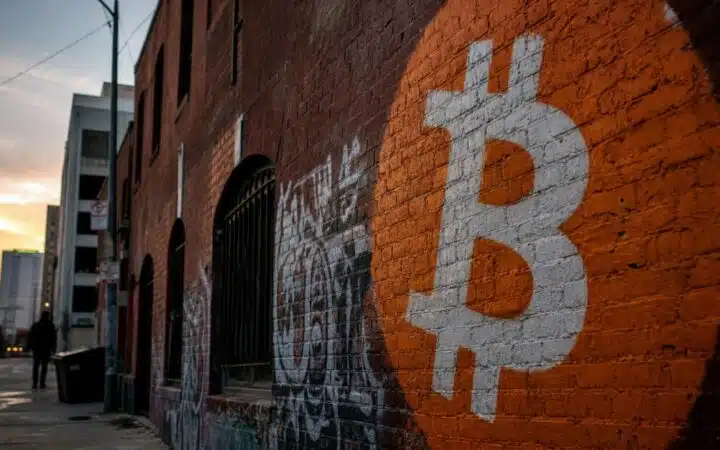
Bitcoin, still the dominant force in the cryptocurrency market, has been experiencing a tough period, with ETFs linked to it witnessing significant outflows. This comes amid an ongoing debate regarding Bitcoin’s environmental impact and regulatory scrutiny. Despite its historical status as the pioneer of cryptocurrencies, Bitcoin’s future remains a topic of heated discussion among investors and analysts alike.
Ether, while maintaining its position as the second-largest cryptocurrency by market capitalization, is also facing hurdles. The Ethereum network’s transition to a more sustainable proof-of-stake model was expected to alleviate some concerns, yet it has not completely eliminated doubts among investors. This may be one reason why ether ETFs are also seeing outflows. The network’s ongoing upgrade process, known as Ethereum 2.0, aims to address previous limitations but has faced delays and technical challenges.
Solana’s rise is not just a temporary trend but part of a larger shift in how investors are approaching the cryptocurrency market. As digital assets continue to evolve, new technologies and platforms frequently emerge, offering fresh opportunities. Solana’s unique offering is its ability to handle thousands of transactions per second, which is a significant improvement over its predecessors. This capability has drawn attention from developers and institutions looking for more efficient blockchain solutions.
The contrasting fortunes of these ETFs reflect broader market dynamics. While Bitcoin and ether remain popular with institutional investors due to their established reputations, solana’s appeal lies in its potential for growth and innovation. The market’s hunger for new opportunities can sometimes outweigh the perceived safety of sticking with established names. This is evident in solana’s recent performance, where it has consistently managed to draw in new capital despite market volatility.
However, investing in newer digital assets like solana is not without risks. Solana’s rapid rise has occasionally been disrupted by technical issues, including outages that have raised concerns about its long-term reliability. While these issues have been addressed by the development team, they serve as reminders of the inherent risks associated with emerging technologies. Investors should be aware that while the potential for high returns exists, so do the possibilities for setbacks.
Moreover, the broader cryptocurrency market remains subject to regulatory developments worldwide. As governments and financial institutions increasingly scrutinize the use of digital currencies, changes in regulation could have significant impacts on market dynamics. This ongoing uncertainty adds another layer of complexity for investors navigating these waters.
Historically, the cryptocurrency market has been characterized by its volatility and its capacity for swift changes in investor sentiment. The recent trends seen in ETFs underline this characteristic. Even as traditional assets like Bitcoin and ether face hurdles, new entrants continue to disrupt the market with their innovative capabilities. This dynamic environment presents both opportunities and challenges for investors seeking to capitalize on the growth of digital assets.
In 2023, the global cryptocurrency market was valued at over $1 trillion, reflecting its substantial growth over the past decade. As more investors look to digital assets as a potential hedge against traditional financial systems, the demand for new and promising platforms like solana is likely to continue. This demand is further fueled by the increasing acceptance of cryptocurrencies in mainstream finance, with major payment platforms and financial institutions integrating digital assets into their operations.
While solana’s recent success is noteworthy, it should not overshadow the foundational role that Bitcoin and ether play in the cryptocurrency ecosystem. Both continue to serve as benchmarks for the market, influencing trends and investor behavior. As the market evolves, it is likely that these assets will adapt to changing conditions, potentially regaining some of the ground lost to newer competitors.
For investors considering entry into the cryptocurrency market, diversification remains a key strategy. Allocating funds across a range of digital assets can help mitigate individual risks and capitalize on the diverse opportunities presented by the market. In this context, solana’s appeal becomes more apparent, offering a balance of innovation and potential stability.
In conclusion, the contrasting performances of Bitcoin, ether, and solana ETFs highlight the dynamic nature of the cryptocurrency market. While traditional giants face challenges, newer platforms are seizing the opportunity to carve out their niches. Investors would do well to stay informed about these developments, weighing the risks and rewards of each option as they navigate this rapidly evolving landscape. As always, a cautious and informed approach will be crucial in capitalizing on the potential growth within the digital asset sphere.