Community Trust ScoreVerified
Former U.S. President Donald Trump is once again at the center of controversy—this time, over a $2 billion Bitcoin purchase revealed just days after signing new crypto-friendly legislation. The timing and scale of the investment, made through Trump Media and Technology Group (TMTG), have triggered a wave of public scrutiny, with critics asking whether Trump used his presidential power to set the stage for personal financial gain.
On July 18, 2025, Trump signed into law the GENIUS Act—a bill designed to bring more regulatory clarity and investor protection to the crypto space. Just three days later, TMTG, which Trump owns a 53% stake in, disclosed it had acquired a massive portfolio of Bitcoin and Bitcoin-linked assets. The move has drawn questions not just about legality but the ethical boundaries of presidential influence over financial policy.
The GENIUS Act: What Changed
The GENIUS Act is a landmark piece of legislation that mandates stablecoin issuers to hold 100% reserves in liquid, safe assets like cash or U.S. Treasuries. It also enforces monthly reserve disclosures, annual audits, and strict consumer protection requirements, such as banning misleading marketing language and prioritizing user repayments in insolvency cases.
One of the more notable provisions of the act is a ban preventing government officials, including the president, from promoting or issuing stablecoins while in office. However, the law does not prohibit investments in other cryptocurrencies, like Bitcoin.
The bill’s passage marked a formal shift in how the U.S. government approaches crypto regulation. It offered more legitimacy to the industry, particularly Bitcoin, by indicating federal intent to incorporate digital assets into the broader financial framework.
A $2 Billion Bitcoin Bet
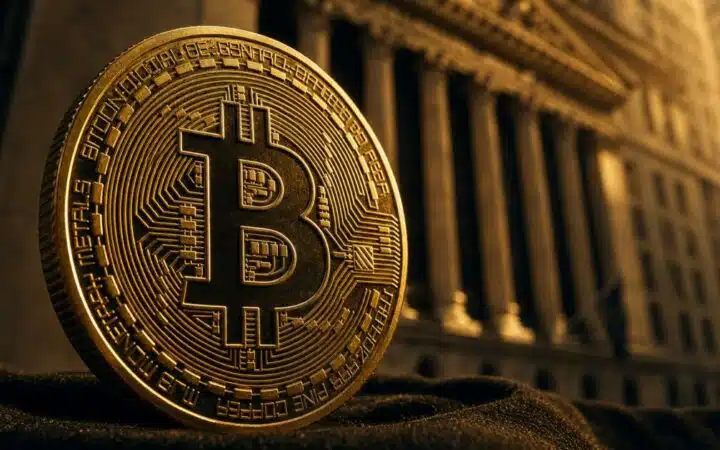
On July 21, Trump Media went public with its Bitcoin investment, stating it had acquired roughly $2 billion worth of the cryptocurrency and related financial instruments. The announcement came shortly after the new law was signed, raising eyebrows across the political and financial landscape.
According to internal reports, Trump Media had been exploring crypto treasury strategies since at least May 2025, though no specifics were disclosed until after the legislation was enacted. Critics argue this delay was intentional, designed to align with a favorable regulatory shift that Trump himself authored.
With Trump’s direct ownership of the company, the investment immediately boosted the valuation of his personal holdings. Critics and ethics experts have expressed concern over what they see as a conflict of interest—where presidential policy appears to benefit the private financial interests of the president himself.
Family Ties and Crypto Expansion
The situation becomes more complex with the involvement of Trump’s sons, Donald Trump Jr. and Eric Trump, in World Liberty Financial—a crypto-focused firm with ties to the Trump family. The company has not only launched its own stablecoin but also secured major partnerships and international investments.
One controversial deal involved a $2 billion transaction using World Liberty’s USD1 stablecoin just weeks before the GENIUS Act was signed. Reports suggest the company has dealings with several high-profile crypto figures and platforms, including Binance, whose founder pleaded guilty to money laundering charges in 2023.
These overlapping relationships between public policy, private business, and familial interests form the core of ongoing ethical concerns. Critics argue that this represents a pattern in which political power is used to set up favorable business environments—ones that benefit the president and his inner circle.
Ethical Norms in the Spotlight
Traditionally, American presidents have placed their business interests in blind trusts to avoid the appearance of using public office for private gain. Trump, however, has never adhered to this norm. Even during his first presidency, he retained direct financial ties to his companies, a practice he has continued after returning to office.
Although no law explicitly prohibits a sitting president from holding business interests, the concern now is less about legality and more about public trust. Ethics watchdogs say that even full financial disclosure does not absolve the ethical dilemma of profiting from policies crafted under one’s own administration.
“This isn’t just about one transaction,” said a legal analyst from a Washington-based watchdog group. “It’s about how power, money, and policy intertwine in ways that make everyday Americans question whether the system is working for them or just for those at the top.”
Trump Media’s Defense
In response to the controversy, Trump Media issued a statement positioning the Bitcoin purchase as a protective measure against financial discrimination. The company claimed traditional financial institutions had consistently blocked access, closed accounts, and interfered with operations due to political bias.
Trump Media described its move into Bitcoin as a stand for “economic independence” and “freedom of speech,” stating that the decentralized nature of cryptocurrency shields the company from the whims of politically motivated financial systems.
However, analysts point out that the company’s financial situation remains dire. Truth Social, its flagship social media platform, continues to underperform in both user growth and advertising revenue. TMTG’s quarterly filings reveal consistent operational losses, declining stock value, and mounting debt.
The latest Bitcoin investment may offer short-term financial relief, but it also introduces new risks. With Bitcoin’s notorious volatility, Trump Media now faces even greater financial exposure.
A Future Shaped by Bitcoin?
As regulatory structures solidify around digital assets, Trump’s bold investment suggests that crypto may play a bigger role in American economic and political landscapes moving forward. But it also sets a precedent that many believe could blur the line between public service and private enrichment.
Whether Trump’s actions constitute a breach of ethics or are simply a reflection of changing financial strategies remains open for debate. What’s certain is that the spotlight on the former president’s crypto dealings is unlikely to dim any time soon. As lawmakers and ethics boards begin reviewing the circumstances, the outcome may shape how future presidents handle personal finances in the age of digital currency.